






by Çınar Akkaya
Copyright © 2021
NEMİN HAYATIMIZDAKİ YERİ

Copyright © 2021
Humidity is a measure of the water vapor dissolved in the air. We can express humidity in two ways. The first is called absolute humidity, and the second is called relative humidity. Absolute humidity is the weight in grams of the amount of water vapor in 1 m3 of air. Absolute humidity is high in places with high temperatures and close to water sources. Absolute humidity is high in the equatorial region and sea coasts where temperature and evaporation are high, while absolute humidity is low in polar regions, high mountains and deserts.
Relative humidity is the ratio of the amount of water vapor in the air at a certain temperature to the highest amount of water vapor that the air can carry at that temperature. It is expressed in percent and indicates the probability of the air mass to leave precipitation. A relative humidity of 100% indicates that the air has reached the saturation point and that precipitation has started.
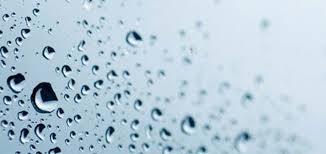
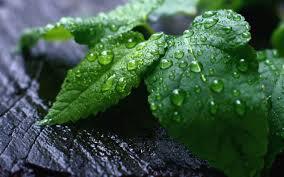
No matter how much moisture bothers people, plants need both types of moisture to survive.
Plants rely on evaporation and heat from the sun to draw water to their stems. Using potassium salts, water can move laterally in the body of the plant, but the withdrawal of water, also known as perspiration or evaporation, actually works like this; When the sun hits the leaves, the water evaporates, cools the leaves and draws in more water. It then continues to draw water from the root. The water acts like a reed inside the plant and, thanks to its structure, it can move itself, surrounding everything that surrounds it.
Usually, plants sensitive to moisture have a large number of pores, thin leaves, and fragments only a few cell thick. Because of their thinness, the vascular structure of these parts of the plant is weak and cannot be efficiently transported to the cells before the water leaves the plant for air. Fine textures allow water to escape into the air. This can cause them to dry out or even die if the humidity drops.
So far, we’ve understood that humidity is a measure of water in the air. So isn’t we simply adding water to the air to keep the plants moist? There are several ways to do this. The first is to keep boiling water in the room where your plant is. You can boil the water once in a while and add more as it gets less. However, if you do not have time to do this, you can use a humidifier as a second method. Another method is to put pebbles on a plate next to your plants and add some water to it. The humid environment that will form between the pebbles will also benefit your plants.
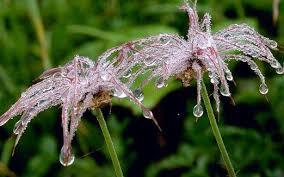
Air is a gas and gases are affected by other factors such as temperature and pressure. At this point, relative humidity comes into play, which measures how much water vapor there is in the air and how much water vapor the air can hold in total. Relative humidity takes into account both temperature and pressure. 50% humidity means that the air is semi-saturated with water vapor for a given temperature and pressure. The humidity measurement you see in your weather app on your phone is usually a measure of relative humidity. The higher the temperature, the more the air’s capacity to hold water vapor. Likewise, as temperatures decrease, the water holding capacity of the air decreases. If you’ve ever wondered why it’s so dry outside in winter, that’s the answer. Because cold air cannot hold much water, although we can increase the water holding capacity of our homes with heaters, the amount of outside water remains the same, so the humidity rate decreases. For example; If the humidity is 10% at 0 degrees on a cold day, when this air is heated to 22 degrees indoors, the humidity drops to 2.7%. This is enough to irritate your sinuses and upset sensitive plants that need moisture. This extremely dry weather can be bad for plants where moisture is required, such as Epiphytes (orchids, air plants, some ferns) and Calathea.
Published: Mar 2, 2021
Latest Revision: Mar 2, 2021
Ourboox Unique Identifier: OB-1063058
Copyright © 2021

 Skip to content