






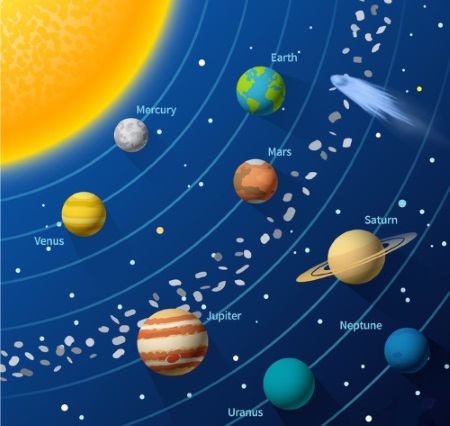
8 Planets That Make Our Solar System!

Copyright © 2021
Introduction:
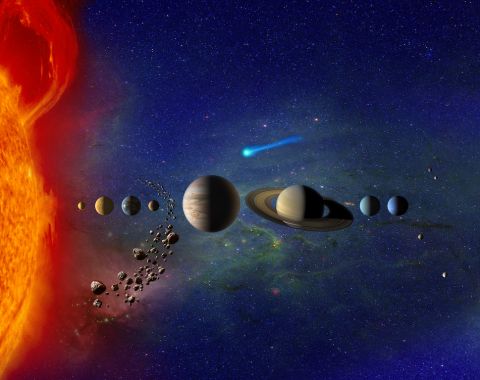
Our solar system is made up of the sun and all the objects that revolve around it. This includes eight planets, Mercury, Venus, Mars, Jupiter, Saturn, Uranus, Neptune and Earth. All of these planets are located in outer space.
Outer space is located right outside the earths atmosphere. It is a place beyond earth that is filled with stars, galaxies, meteors, and our main focus today, planets. There are much more things located in space but lets start with understanding the planets that make up our solar system
Learning objectives-
After this lesson students will be able to:
- Name all 8 planets that make up our solar system.
- Identify and locate the 8 planets.
- Remember one fact about each planet mentioned.
This lesson includes:
- Images and facts about each planet.
- A video to deepen and strengthen students’ understandings at the end of the lesson.
- Discussion questions.
- An in-class or at home video to continue students understanding. This will give them an opportunity to listen for new information or unknown material.
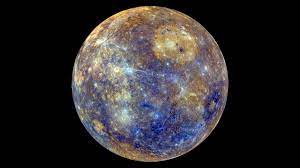
Mercury
This is the closest planet to the Sun. It is the smallest planet and is made of rock. It is so close that it only takes 88 days for it to complete its orbit around the sun.
The planet does not have an atmosphere, Mercury does not experience season change, and the temperature changes so much from daytime to nighttime because the atmosphere is very thin. Temperatures vary between -180°C and 430°C/-290°F and 842°F. There is no water present on this dangerous planet either!
Venus
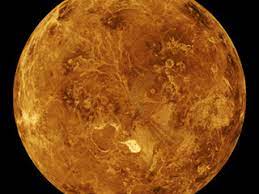
Venus is very similar to earth in regards to size and material. However, it is too hot to support life as Earth does. The surface of Venus hosts thousands of volcanoes, craters, and super-high mountain ranges. Venus’ temperature can reach up to 480 degrees Celcius!
Venus has an atmosphere but the air is too thick it almost covers the planet in clouds. Venus is the second brightest thing in the sky right after the moon. it would take venus 225 days to complete its travel around the sun!
Earth
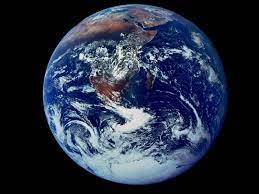
This is where we and other human life live! Earth is made up of rock and the only other planet where water is a liquid, 70% of the Earth is water. The air is just right for us which is what allows us to breathe. Earth’s temperature is just right it’s not too hot nor too cold- its average temperature is 60 degrees Fahrenheit.
Earth has its own natural satellite, this would be known as the moon. The moon affects the tides and gravity on earth, this means that every time you jump your feet will end up on the ground and not floating in the air. It takes the Earth 365 days to complete its orbit around the sun. Do you know how long 365 days is? it is equal to one whole year.
Mars
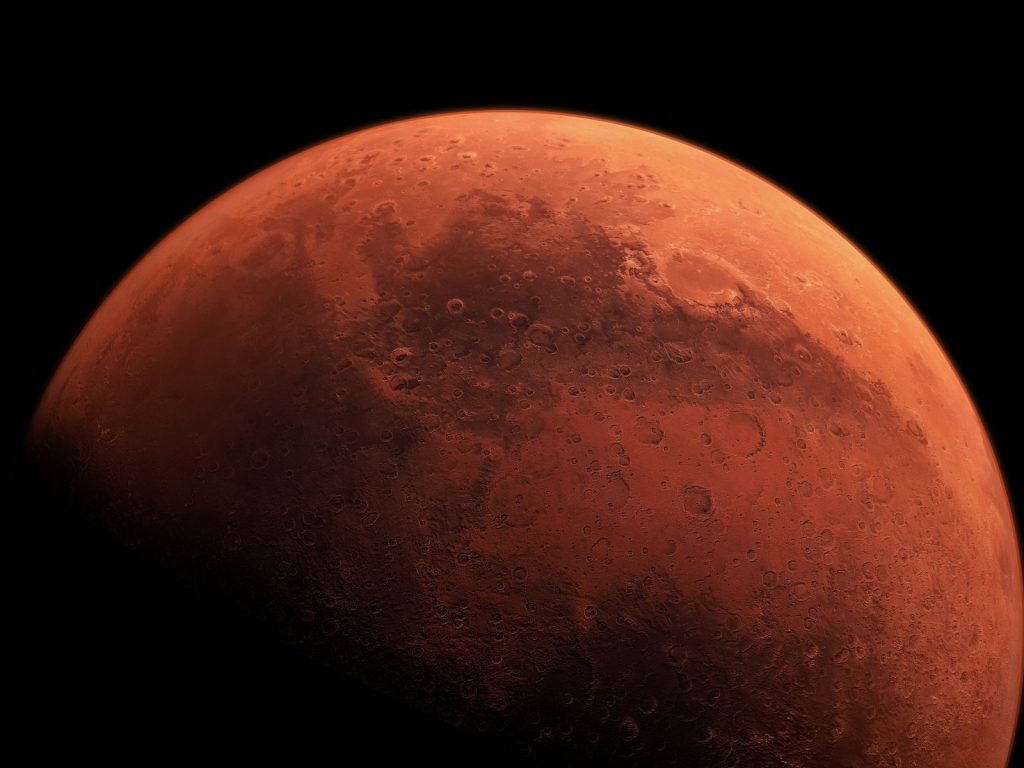
Mars is a little smaller than the earth, but a lot further out. It used to have an atmosphere like earth and venus but it doesn’t have much anymore. Mars appears to get dust storms every now and then that cover the whole planet! Mars is very cold and dry but water exists in form of ice at the North and South poles. The surface of Mars has many craters, deep valleys, and volcanoes.
Mars has two moons called Phobos and Deimos, these are bits of asteroids that got caught in mars’ gravitational pull. Mars is reddish in color and is known for being the ‘red planet’. It would take mars 687 days to complete its orbit around the sun.
Jupiter
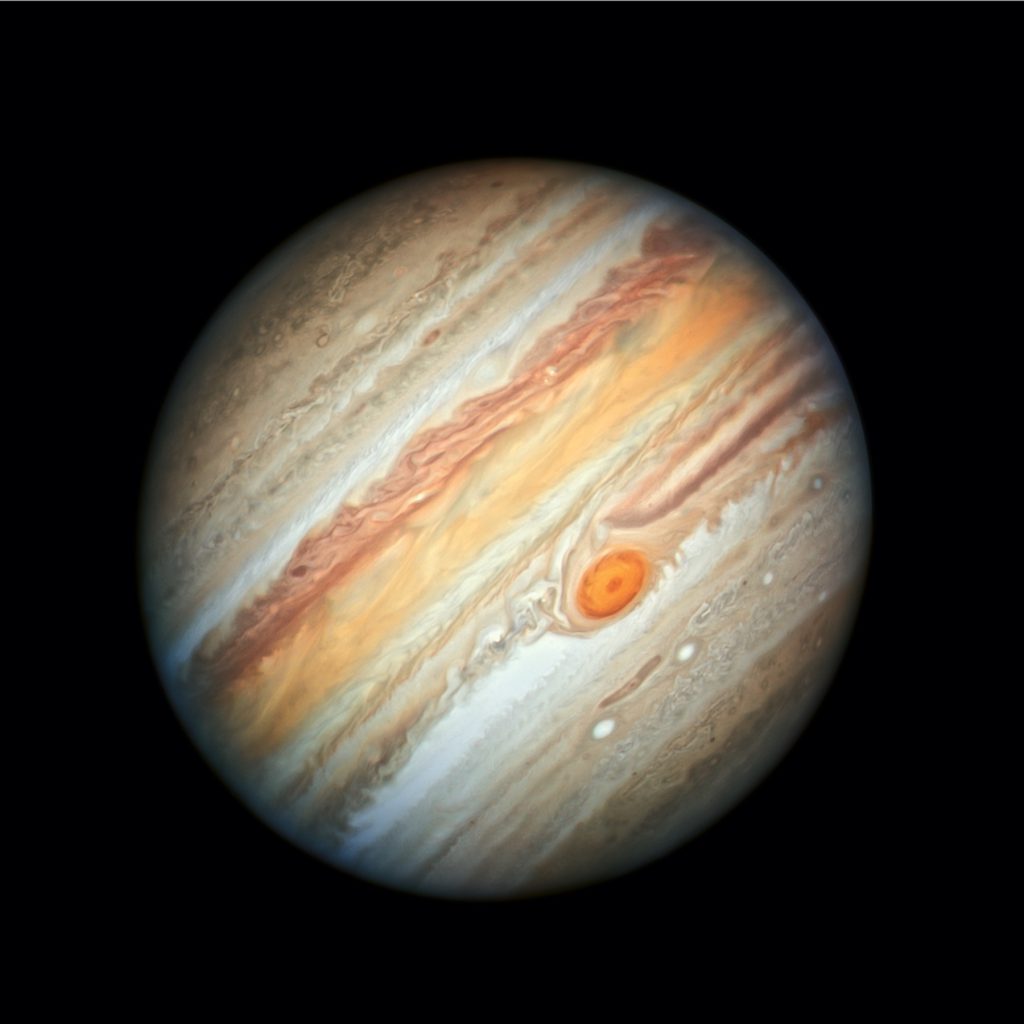
Jupiter is the largest planet in our solar system. you could fit 1,321 Earth’s inside Jupiter. Jupiter is made up of gas- it is considered one of the 4 gas giants. This planet has 66 moons and some are extremely large. For example Ganymede, a moon is bigger than Mercury!
There is one spacecraft currently orbiting Jupiter called Juno. Juno is trying to solve how the planet formed and finding out more about the winds that occur. It would take Jupiter almost 12 years to travel around the sun because Jupiter is 5 times farther from the sun than the Earth is.
Saturn
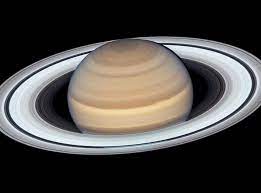
Saturn is famous for its rings, the rings were first observed in 1610 by Galileo. These rings are made up of huge numbers of small lumps of ice and dust, but mostly ice. Saturn is the second-largest planet in our solar system and is a gas giant just like Jupiter. This means that it doesn’t really have a proper solid surface as it is mainly made up of gases with a small rocky core.
Saturn’s moon, Titan is the second-largest in the solar system. It would take Saturn 29.5 years to travel around the sun.
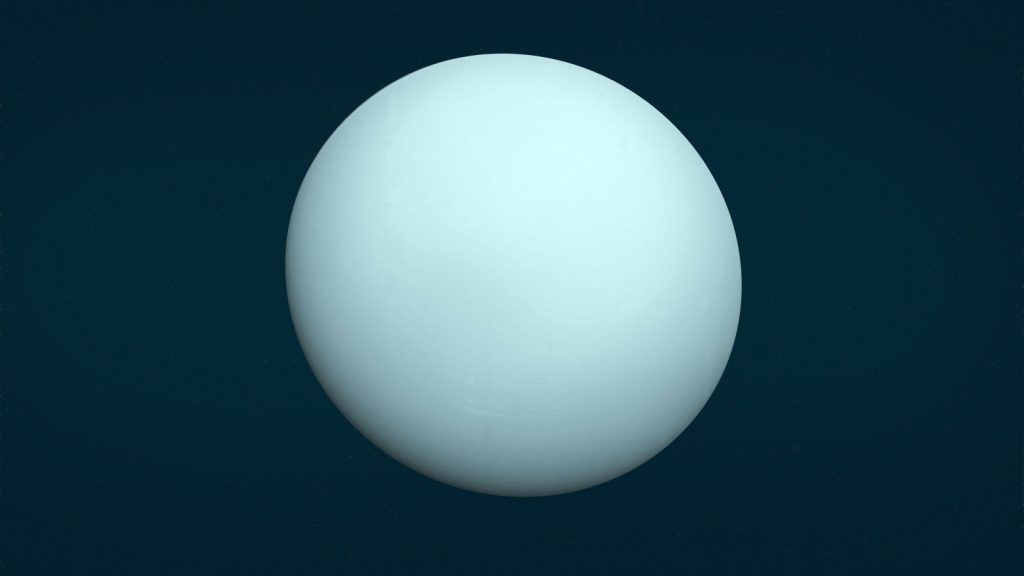
Uranus
Uranus is the second furthest planet from the Sun and therefore also has to travel a pretty long time to go once around our home star. It takes Uranus roughly 84 years to orbit once around the Sun.
Uranus is a blue planet, not because of water, but because of gases that make it appear blue. Uranus orbits on its side, which means that its seasons are completely different from ours. Summer and winter each take 21 years at the north and south poles!
Uranus is another gas giant with an average temperature of -220 degrees Celcius. You could fit 63 planets the size of Earth inside Uranus.
Neptune
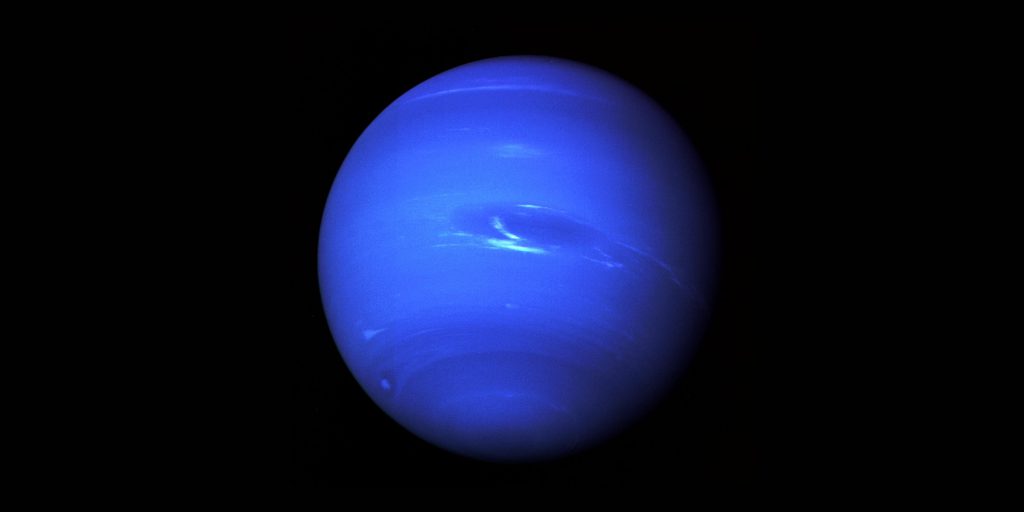
Neptune is the farthest planet from the sun! it is 30 times as far from the sun as Earth and it would take 165 years to complete its orbit around the sun. Neptune is the last of the four gas giants and is 58 times the volume of Earth.
Neptune is closely related to Uranus, This means it has a gas surface like the gas giant planets, but it has an interior composed mostly of ice and rock. The reason why Neptune is blue is due to the presence of a specific gas named methane. Neptune is slightly smaller in size however, Neptune is a little bit larger in mass than Uranus making it the 3rd largest planet by mass.
Neptune is the coldest planet in our solar system! It is a dark and windy planet, having the most powerful winds in the Solar System.
Discussion questions:
1. What are planets?
2. What planet is closest to the sun?
3. Which planet is known as the “Red Planet”
4. What planet is known for severe winds?
5. Can you put all 8 planets in order? (Closest to the sun- the farthest.)
In class assignment/Homework
If you complete this early lesson early or prefer to do it at home please watch the following video and write down any new information that you have learned, as well as information you remember from todays lesson!
Published: Sep 21, 2021
Latest Revision: Sep 27, 2021
Ourboox Unique Identifier: OB-1204402
Copyright © 2021