






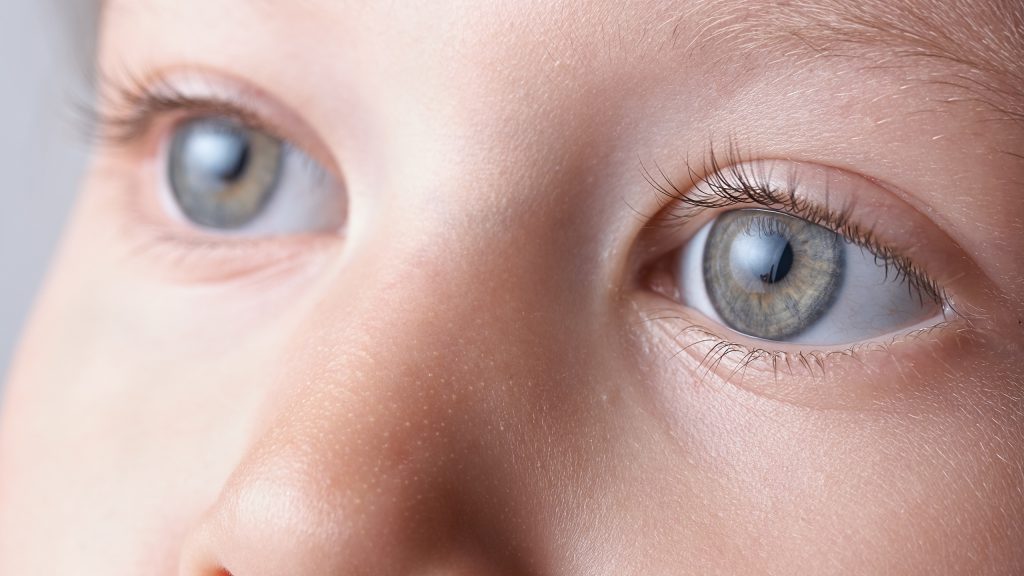
Pediatric Ophthalmology

Copyright © 2023
Pediatric ophthalmology is a subspecialty of ophthalmology that focuses on the diagnosis and treatment of eye disorders in children. As a parent, it is vital to monitor your child’s vision and overall eye health, as vision is critical to a child’s development and learning
Amblyopia (commonly known as “lazy eye”), strabismus (crossed or misaligned eyes), and refractive errors (nearsightedness, farsightedness, and astigmatism) are all common eye problems that can affect youngsters. Early detection and treatment of these disorders is critical for avoiding long-term vision impairment.
Amblyopia is a condition that occurs when the brain ignores one eye, resulting in decreased vision in that eye. It is usually caused by an eye misalignment or a variation in refractive error between the two eyes. Patching the stronger eye to encourage the weaker eye to get stronger is a common treatment for amblyopia. In some circumstances, eye medications or spectacles may be prescribed.
When the eyes are not properly aligned, one eye will look in a different direction than the other. This can result in double vision, decreased depth perception, and eye strain. Strabismus is commonly treated by wearing glasses or performing eye exercises to improve the eye muscles. In more severe situations, surgery to straighten the spine may be required.
When the shape of the eye prevents light from correctly focusing on the retina, it results in blurred vision. Myopia (nearsightedness) is a frequent refractive defect that causes distant objects to look fuzzy while close objects remain distinct. Another common refractive problem is farsightedness (hyperopia), which causes close items to seem fuzzy while distant objects remain clear. Astigmatism is a condition that causes impaired vision due to an unevenly shaped cornea or lens. Treatment for refractive errors normally consists of wearing glasses or contact lenses, though surgery may be indicated in some circumstances.
Aside from these common eye conditions, pediatric ophthalmologists diagnose and treat a variety of other eye problems in children, such as eye infections, cataracts, and glaucoma. If you see any indicators of eye problems, such as redness, discharge, excessive tearing, or difficulty seeing, you should take your kid to a pediatric ophthalmologist.
It is critical to find a pediatric ophthalmologist who has experience working with children and can create a kid-friendly environment when taking your child to see one. Pediatric ophthalmologists are uniquely trained to converse with children and perform eye exams in an age-appropriate and non-threatening manner. To retain your child’s attention during the assessment, they may employ specialized equipment such as toys or DVDs.
To summarize, pediatric ophthalmology is an important field that plays a crucial role in ensuring that children receive the finest eye care available. You may assist to ensure that your child has clear vision and optimal visual development by monitoring his or her eye health and seeking immediate treatment for any eye disorders. If you have any worries about your child’s vision, you should see a pediatric ophthalmologist as soon as possible.
Published: Apr 28, 2023
Latest Revision: Apr 28, 2023
Ourboox Unique Identifier: OB-1446817
Copyright © 2023

 Skip to content