






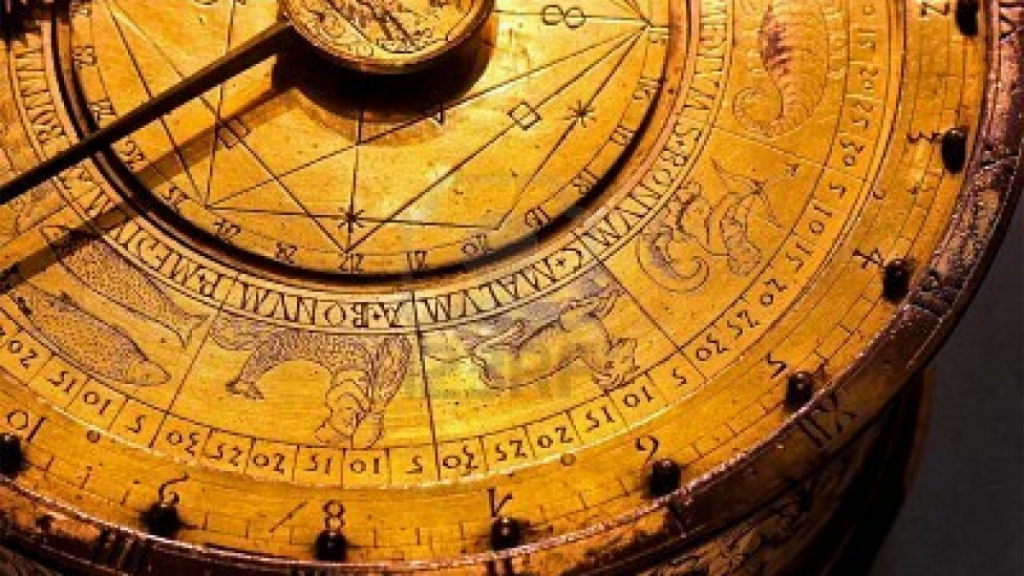
Astrological zodiac in Islam

Copyright © 2023
Islamic astrology has a rich history dating back to the early days of Islam. Muslims have long been fascinated by the beauty and complexity of the stars and planets, and have sought to understand their movements and meanings. In Islam, the stars and planets are viewed as a part of Allah’s creation, and their study is seen as a means of deepening one’s appreciation of the divine.
The astrological zodiac, with its twelve signs corresponding to different areas of life, has been an important tool for Muslims seeking to understand themselves and the world around them. The Prophet Muhammad himself taught about the zodiac, and urged his followers to use it as a means of personal growth and self-reflection. However, he also cautioned against using it for fortune-telling or divination.
Over time, Islamic astrology has evolved to include a rich variety of practices and traditions, from the study of planetary movements to the interpretation of dreams. Practitioners of Islamic astrology seek to gain insight into the mysteries of the universe, and to connect with the divine in a deeper way.
Today, Islamic astrology continues to be a part of Muslim culture around the world. While some may view it as controversial or unorthodox, many Muslims see it as a valuable means of deepening their spiritual practice and gaining a greater understanding of the world and their place in it.
Published: Apr 29, 2023
Latest Revision: Apr 29, 2023
Ourboox Unique Identifier: OB-1447269
Copyright © 2023

 Skip to content