






Learning Foreign Languages

Copyright © 2023
Welcome! This digital book is intended for children of primary school age who are beginning to learn English. In it you will find an introductory course in English phonetics dedicated to a specific topic: sounds [i] and [i:], explanations on this topic and a selection of exercises for practicing.
Phonetics

Before you start speaking a foreign language, you need to do a phonetic warm-up.
Phonetic warm-up is necessary for us in order to:
– prepare the organs of speech for the pronunciation of sounds unusual to us.
– improve the pronunciation of individual sounds, combinations of sounds.
– memorize new words.
So, let’s do some exercises!
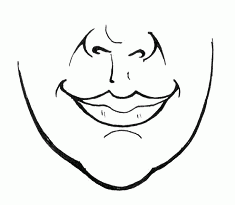
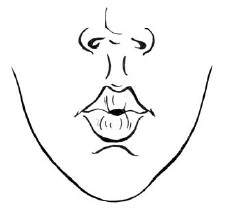
1 exercise: «Kiss – smile – kiss».
Kiss – we make a kiss with our lips. Smile – we stretch our lips in a smile. We repeat this several times.
2 exercise: «Cup».
Open the mouth, pull out the tongue, pull it to the nose, bend the edge of the tongue in the shape of a cup.

3 exercise: tongue twisters.
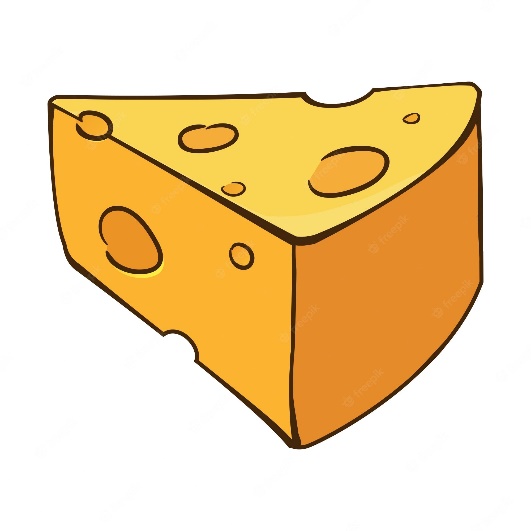
She sees cheese on the ceiling –[ʃɪsiːztʃiːzɒnðəsiːlɪŋ]
I scream, you scream, we all scream for icecream! – [aɪskriːmjuskriːmwɪɔːlskriːmfəraɪskriːm]

Great!
Now you need to read some new information about English sounds.
In English, vowel sounds are divided into short and long [i]- [i:]. Longitude in transcription is indicated by a colon after the vowel.
The sound [i].
A short vowel sound pronounced when the tongue comes into contact with the lowerdentition. The speaker’s lips are slightly stretched.
English phoneme [i] is similar to Russian [и] in unstressed syllables:
Письмо
Читать
Достижение
Some more examples in English:
Fish–[fɪʃ], Pill –[pɪl], Pig–[pɪg], Pin– [pɪn], Win– [wɪn].

Now you may watch a video in which there are explanations of how to pronounce the sound [i] correctly.
The sound [i:].
A long sound, pronounced with a light touch of the tip of the tongue to the lower dentition.
English [i:] resembles the Russian stressed [и] at the beginning of words.
Ива
Искра
Имя
Consonant [i:] should not be softened or turned into a Russian sound[ы].
Some more examples in English:
Seed – [siːd], Bee – [biː], Sea – [siː], Leaf – [liːf], Feed – [fiːd].
In written speech, the phoneme is transmitted using the letter e and the combinations ea, ee, ei, ie. The exception is key [ki:], which contains a combination of the letters e and y.

Now you may watch a video in which there are explanations of how to pronounce the sound [i:] correctly.
Exercises
Exersice 1: Read the words and try to pronounce sounds [i] and [i:] correctly.
Still, eat, dinner, repeat, teen, cheek, crick, creek, skin, sip, seem.
Exersice 2: Listen and say these words aloud. Is the sound you hear [i] or [i:]?
Hit – heat – bit – beat – sit – seat – bin – bean – sin – seen – gin – jean.
Exercise 3: Read the sentences paying attention to the sounds [i] and [i:].
The bee hit the ball.
I have nine pins.
The king has big pink lips.
I made a cake with a smile.
The tree is big and green.
The cat has five feet.
The monkey on the vine has a key.
Exercise 4: Find the only word in which there is no sound [i:], only [ɪ] (stressed).Then listen to the teacher repeating the words after him.
Cheese, beef, tea, eat, meal, three, cheap, please, me, Peter, people, Edam, evening, Eastfield, biscuit, cheesecake, Janine, repeat.
Exercise 5: divide the words into groups.
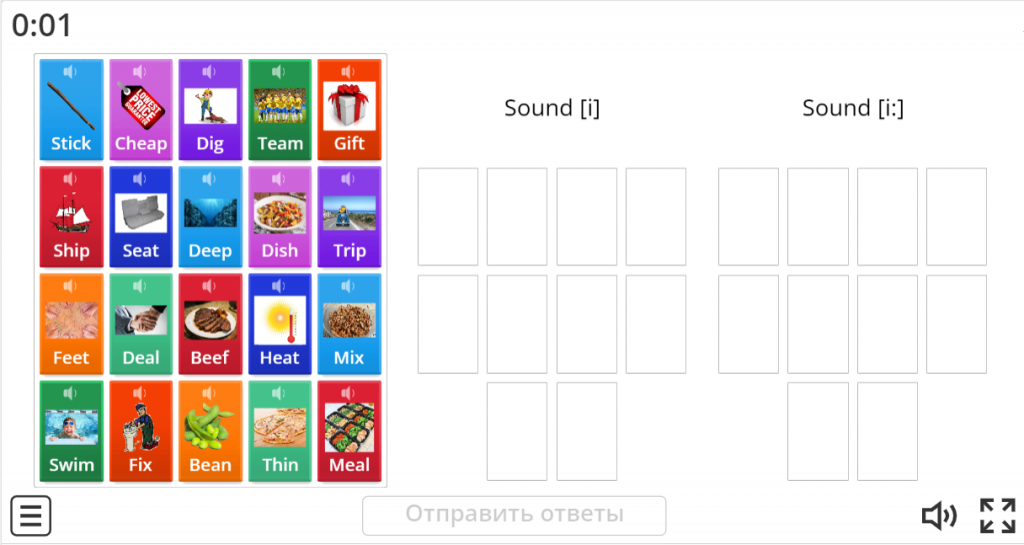
Exersice 6: The game “Catch the sound”.
Look at the cards, name what is depicted on them. Pay attention to the pronunciation of the words.
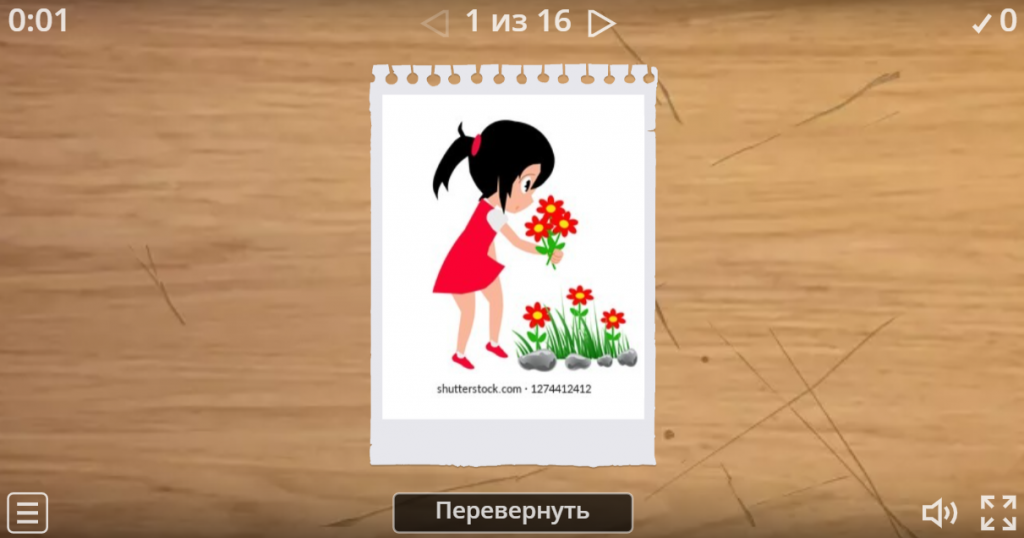
Exercise 7 (control): Listen to the words. Insert the missing letters.
F_lm
Pl_se
S_t
Thr_
Ch_p
F_t
T_p
P_nk
T_e
_t
This is the end of the introductory phonetics lesson on the pronunciation of the sounds [i] and [i:]. See you in the next issues of our digital books!

Используемые источники:
Wordwall.net – интерактивные задания
YouTube.com – видеоролики с произношением звуков с канала “BBC Learning English”
Lingualeo.com – теоретический материал на тему “звуки [i] и [i:]” и упражнения на их отработку.
Published: Nov 30, 2023
Latest Revision: Nov 30, 2023
Ourboox Unique Identifier: OB-1521574
Copyright © 2023

 Skip to content