






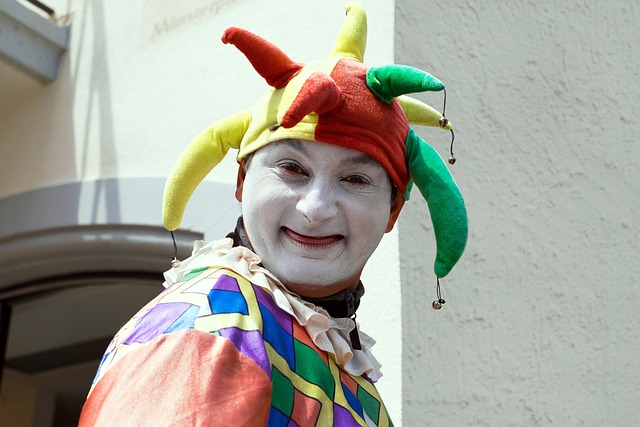
The Evolution of Fools: From Medieval Courts to Modern Entertainment

Copyright © 2024
In the annals of history, few figures have traversed the realms of entertainment with the same wit and audacity as the jester. From the hallowed halls of medieval courts to the grand arenas of modern circus spectacles, the jester has evolved, leaving behind a trail of laughter, intrigue, and occasional folly. Embarking on what some might call a fool’s errand, this article delves into the multifaceted nature of the archetypal jester, tracing their evolution from the grandeur of royal courts to the vibrant stages of contemporary entertainment.
What roles and characteristics define the archetypal jester in literature?
The archetypal jester in literature embodies a complex interplay of roles and characteristics that have evolved over centuries of storytelling. At their core, jesters are often portrayed as comedic performers whose primary role is to entertain.
However, their significance transcends mere amusement, as they frequently serve as catalysts for social commentary, moral reflection, and even political intrigue. Whether they are donning the motley uniform of the jesters, or simply representing the archetype, the jester is an important literary role. Explore books and colourful characters who embody jesters such as the book by D.E. King, A Fool’s Errand, where a secret society of jesters are at work.
Exploring the Multifaceted Nature of Jester Archetypes in Literary Traditions
Here are some key roles and characteristics that define the archetypal jester in literature:
- Comic Relief: Jest and mirth are the hallmark of the jester’s performance. They inject levity into serious situations, providing much-needed comic relief amidst the drama and tension of the narrative. Through their wit, slapstick humour, and playful antics, jesters offer a respite from the gravity of the story’s events.
- Truth-teller: Beneath the facade of frivolity, jesters often wield a keen insight into human nature and society. They possess the freedom to speak candidly, often delivering uncomfortable truths disguised as jests. Their role as truth-tellers allows them to critique authority, challenge social norms, and expose hypocrisy without fear of repercussion, making them invaluable commentators on the human condition.
- Foolish Wisdom: Paradoxically, jesters are portrayed as both fools and sages. Their seemingly nonsensical antics often conceal profound wisdom and insight. By embracing absurdity and embracing the unconventional, jesters invite audiences to question conventional wisdom and perceive reality from unconventional perspectives.
- Social Critique: Beyond mere entertainment, jesters serve as agents of social critique. Through their humour and satire, they highlight societal absurdities, injustices, and contradictions. Whether mocking the foibles of the ruling class, exposing societal prejudices, or challenging established hierarchies, jesters provoke audiences to reflect critically on the world around them.
- Adaptability: Jest is a versatile art form, and jesters demonstrate remarkable adaptability in their performances. They tailor their humour to suit the preferences and sensibilities of their audience, whether they be kings, peasants, or commoners. This adaptability allows jesters to navigate various social contexts and maintain their relevance across different literary settings and historical periods.
- Trickster: Jest is often intertwined with trickery and deception in jester tales. Jestermen employ cunning and guile to outwit their adversaries, turning the tables on those who underestimate them. Their trickster nature adds an element of unpredictability to their character, keeping audiences intrigued and entertained.
From Court Jesters to Modern Clowns
The transition of jesters from esteemed court entertainers to modern-day clowns marks a fascinating evolution in the history of performance art. While the essence of humour and entertainment remains constant, the contexts and cultural significance surrounding jesters and clowns have undergone profound changes over the centuries.
Tracing the Evolution of Jesters: From Royal Courts to Circus Arenas
As the feudal system waned and absolute monarchies gave way to more democratic forms of governance, the role of court jesters diminished. With the decline of aristocratic patronage, jesters found themselves displaced from the royal courts, their once-coveted positions now obsolete. Yet, their comedic legacy endured, awaiting a new stage upon which to unfold.
Enter the circus—the bustling world of spectacle, wonder, and entertainment. In the 18th and 19th centuries, the circus emerged as a popular form of mass entertainment, drawing crowds from all walks of life. Within this colourful realm, jesters found a new home, albeit under a different guise: the clown.
The shift from courtly fools to circus clowns, with jesters serving as the agents of change.
Circus clowns inherited the legacy of court jesters, embodying the spirit of laughter and mischief that defined their predecessors. However, their performances took on a new dimension, blending elements of acrobatics, slapstick comedy, and theatrical spectacle to captivate audiences. Unlike court jesters, who catered to the whims of the aristocracy, circus clowns entertained the masses, transcending barriers of class and culture with their universal appeal.
The Cultural Transition: How Jesters Adapted from Court Entertainment to Popular Circus Performances
While court jesters had wielded humour as a tool for political satire and social commentary, circus performers embraced a broader range of entertainment styles. Clowns, in particular, became synonymous with slapstick comedy, acrobatics, and theatrical spectacle, delighting audiences with their colourful costumes and exaggerated antics. The focus shifted from verbal wit to physical humour, from subtle innuendo to extravagant displays of skill and dexterity.
In tracing the evolution of jesters from royal courts to circus arenas, we witness not only a transformation in the performance arts but also a testament to the resilience of humour in the face of changing times. As jesters-turned-clowns continue to spread joy and laughter, their legacy endures as a timeless testament to the human spirit.
Jesters in Popular Culture: Film, TV, and Games
In the realm of popular culture, jesters have transcended their historical origins to become iconic figures in various forms of media, including film, television, and video games. Whether as protagonists, supporting characters, or symbols of whimsy and mischief, jesters continue to captivate audiences with their colourful personalities and irreverent humour. In both media and even in literature, we see a great deal of jesters and their archetypes.
Jesters on Screen and in Virtual Realms: Their Portrayal in Media and Entertainment
Classic films such as “The Court Jester” (1955) starring Danny Kaye and “King Lear” adaptations have immortalised the archetype of the jester in cinematic history, showcasing their wit and charm amidst tales of love, betrayal, and intrigue. Even in contemporary films like “Joker” (2019) exploring the darker side of jest, filmmakers continue to draw inspiration from the timeless allure of the jester archetype.
Video games like “Final Fantasy” feature jesters as playable characters with unique abilities and personalities, while platformers like “Shovel Knight” incorporate jesters as memorable boss encounters, challenging players with their cunning tricks and traps. Whether as allies or foes, jesters in video games offer players a chance to experience the joy of jest and the thrill of adventure in virtual worlds teeming with imagination and creativity.
Spotlight on Satire: Modern Jesters Unleashed
In contemporary society, jesters have evolved into modern-day provocateurs, wielding the power of satire as a potent tool for social commentary and critique. Through their sharp wit, irreverent humour, and fearless commentary, modern jesters challenge societal norms, expose hypocrisy, and provoke thought in ways that traditional forms of media often cannot. While not all modern jester representations wear the tell-tale cap’n’bells, you may find the jester archetype hidden in plain sight.
Satire has a long and storied history, dating back to ancient civilizations where jesters and satirists used humour to critique authority and challenge prevailing beliefs. In medieval Europe, court jesters served as trusted advisors who used jest and folly to convey uncomfortable truths to the ruling elite.
The Weapon of Wit: Analysing the Role of Jesters as Agents of Social Commentary and Satire
Social media has democratised satire, allowing ordinary individuals to become digital jesters with the power to influence public discourse. Memes, parody accounts, and online communities serve as incubators of satire, where individuals can lampoon politicians, celebrities, and societal trends with impunity. The viral nature of social media amplifies the reach and impact of satirical content, making it a potent force for social change and cultural critique.
In an era marked by polarisation and uncertainty, the role of jesters as agents of social commentary and satire has never been more vital. Through their fearless wit and irreverent humour, modern jesters challenge us to confront uncomfortable truths, question authority, and strive for a more just and equitable society. As long as there are injustices to be exposed and absurdities to be ridiculed, the legacy of satirical comedy will endure, reminding us of the enduring power of laughter to inspire change and shape the world around us.
What Enduring Legacies Do Jesters Leave Behind?
Throughout the annals of history, jesters have left an indelible mark on culture and society, their influence reverberating across centuries and continents. From medieval courts to modern entertainment, the enduring legacies of jesters are evident in various aspects of human civilization.
The Lasting Impact: Examining the Influence of Jesters on Culture and Society Throughout History
The enduring legacies of jesters are manifold, encompassing their roles as cultural icons, agents of social critique, cultural bridges, educators, and philosophers. From medieval courts to modern entertainment, jesters have left an indelible imprint on culture and society, reminding us of the enduring power of laughter, wit, and satire to inspire change, foster unity, and illuminate the human experience. As long as there are jesters to challenge conventions, provoke thought, and evoke laughter, their legacy will continue to shape the fabric of our collective imagination and cultural consciousness for generations to come.
Conclusion
From their origins as trusted advisors and entertainers in medieval courts, jesters have evolved into iconic figures in literature, film, television, and video games. They have captivated audiences with their irreverent humour, sharp wit, and boundless creativity, leaving an indelible mark on the cultural landscape.
Jesters have served as agents of social critique, challenging authority, questioning norms, and advocating for social change through satire and parody. Their performances have acted as cultural bridges, uniting audiences of all backgrounds in moments of shared laughter and amusement.
Moreover, jesters have left behind enduring legacies as educators and philosophers, illuminating profound truths about the human condition through their comedic insights and incisive commentary.
In a world that often takes itself too seriously, the legacy of jesters serves as a reminder of the enduring power of laughter, wit, and satire to inspire change, foster unity, and illuminate the human experience. As we continue to navigate the complexities of the modern world, may we embrace the spirit of jest, finding solace, joy, and wisdom in the timeless art of laughter.
Published: Apr 30, 2024
Latest Revision: Apr 30, 2024
Ourboox Unique Identifier: OB-1579160
Copyright © 2024

 Skip to content