






Parenting

Copyright © 2024
What is Cyberbullying?
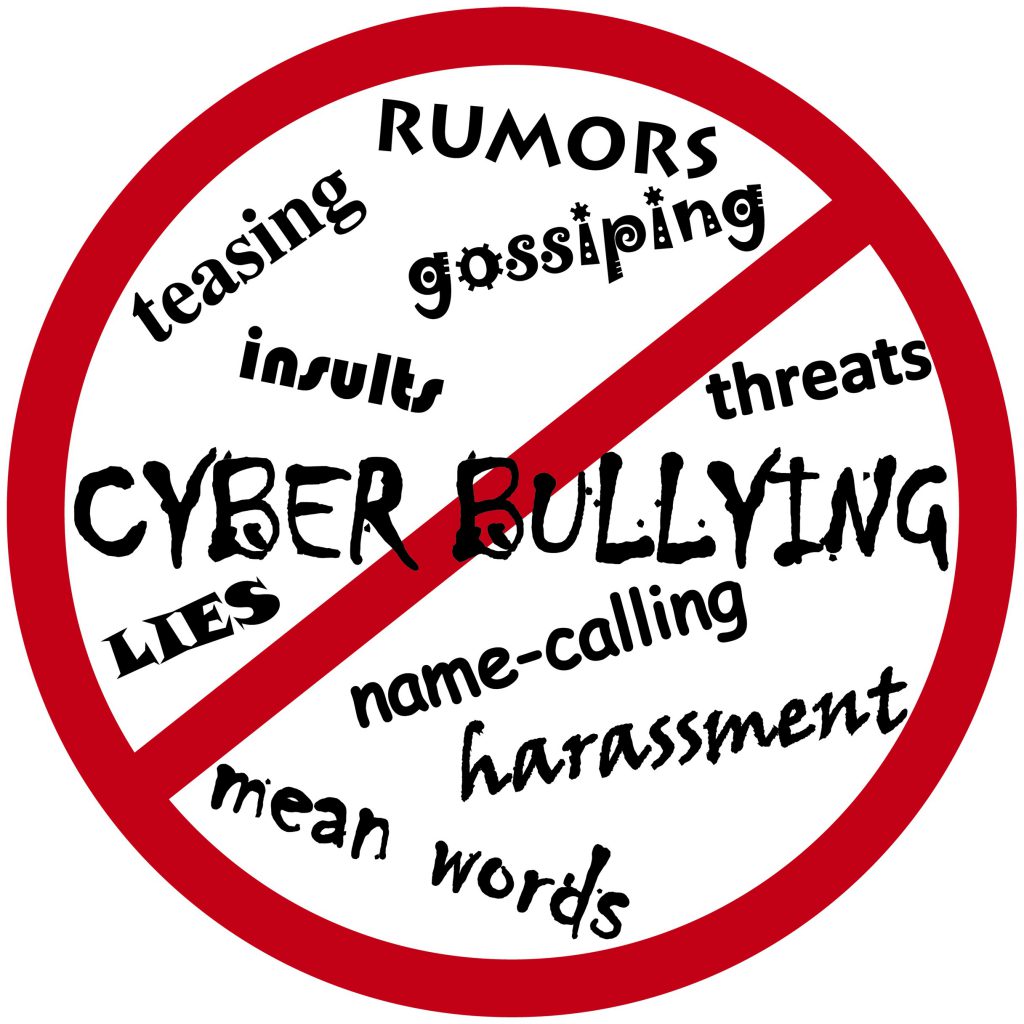
Cyberbullying is the use of digital technologies, such as social media, texting, and websites, to harass, threaten, or humiliate someone. This can include sending mean messages, spreading rumors, or sharing embarrassing photos or videos without consent. It’s like a shadow that follows children home, intruding into their personal space through their phones and computers.
Forms of Cyberbullying
Cyberbullying can take many shapes and forms. Here are some of the most common types:
- Harassment: Repeatedly sending offensive, rude, and insulting messages.
- Denigration: Spreading harmful, untrue, or cruel statements about someone.
- Impersonation: Pretending to be someone else to make that person look bad.
- Outing and Trickery: Sharing someone’s secrets or tricking someone into revealing personal information and then sharing it.
- Exclusion: Intentionally excluding someone from an online group.
Why is Cyberbullying So Harmful?
The anonymity and permanence of the internet make cyberbullying particularly damaging. Unlike a hurtful comment that might be forgotten, online messages can be screenshotted, shared, and perpetuated indefinitely. This constant presence can lead to severe emotional and psychological distress.
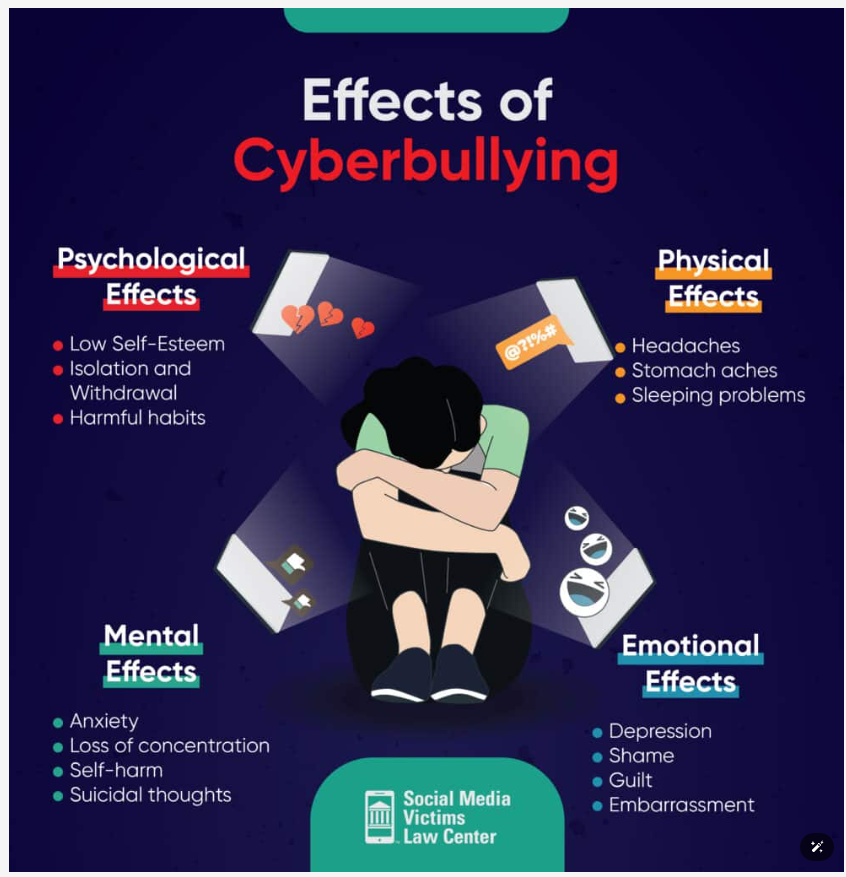
Emotional Effects of Cyberbullying
Children and teens who are victims of cyberbullying often experience a range of emotional issues, including:
- Anxiety: Constant fear of the next attack.
- Depression: Feelings of sadness and hopelessness.
- Low Self-Esteem: Erosion of confidence and self-worth.
- Loneliness: Feeling isolated from peers.
Physical Effects of Cyberbullying
The stress from cyberbullying can manifest in physical symptoms such as:
- Headaches: Persistent stress can lead to tension headaches.
- Stomach Issues: Anxiety often affects the digestive system.
- Sleep Disturbances: Difficulty falling or staying asleep.
Impact on Academic Performance
Cyberbullying can also take a toll on a child’s academic life. Victims might:
- Avoid School: Fear of encountering bullies in person.
- Decline in Grades: Difficulty concentrating on schoolwork.
- Loss of Interest in School Activities: Withdrawing from extracurricular activities.
Social Consequences of Cyberbullying
Being cyberbullied can lead to significant social challenges, such as:
- Withdrawal from Friends: Reluctance to socialize.
- Trust Issues: Difficulty trusting others.
- Increased Risk of Substance Abuse: As a coping mechanism.
Long-Term Effects on Mental Health
The long-term effects of cyberbullying can be profound and lasting, including:
- Chronic Depression: Persistent feelings of sadness and worthlessness.
- Post-Traumatic Stress Disorder (PTSD): Ongoing trauma-related symptoms.
- Suicidal Thoughts: In extreme cases, victims may feel life is not worth living.
How to Recognize if Your Child is Being Cyberbullied
Signs that your child might be a victim of cyberbullying include:
- Changes in Mood: Sudden sadness, anger, or irritability.
- Avoidance of Social Situations: Not wanting to go to school or socialize.
- Changes in Device Usage: Suddenly stopping or excessively using their phone or computer.
Preventing Cyberbullying: What Parents Can Do
As parents, there are several proactive steps you can take to prevent cyberbullying:
- Monitor Online Activity: Keep an eye on your child’s internet use.
- Set Clear Rules: Establish guidelines for online behavior.
- Use Parental Controls: Utilize software to help monitor and control what your child can access.
Encouraging Open Communication
One of the most effective ways to combat cyberbullying is through open and honest communication. Encourage your child to talk about their online experiences and assure them that they can come to you with any concerns.
Teaching Digital Responsibility
Educate your children about the importance of digital responsibility. Explain how their online actions can have real-world consequences and teach them to treat others with respect and kindness online.
Resources for Parents and Children
There are numerous resources available to help parents and children deal with cyberbullying:
- StopBullying.gov: Offers tips and resources for preventing and addressing bullying.
- Cyberbullying Research Center: Provides research and tools for understanding and combating cyberbullying.
- Local Support Groups: Connect with others dealing with similar issues.
Conclusion
Cyberbullying is a serious issue that can have profound effects on children and teens. By understanding what cyberbullying is and recognizing the signs, parents can take steps to protect their children. Open communication, digital responsibility, and utilizing available resources are key to helping children navigate the digital world safely.
Published: Jul 3, 2024
Latest Revision: Jul 3, 2024
Ourboox Unique Identifier: OB-1600700
Copyright © 2024

 Skip to content