






Bohemian Rhapsody

Copyright © 2024
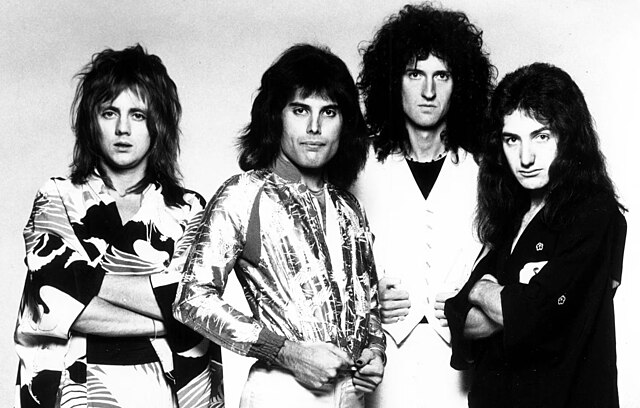
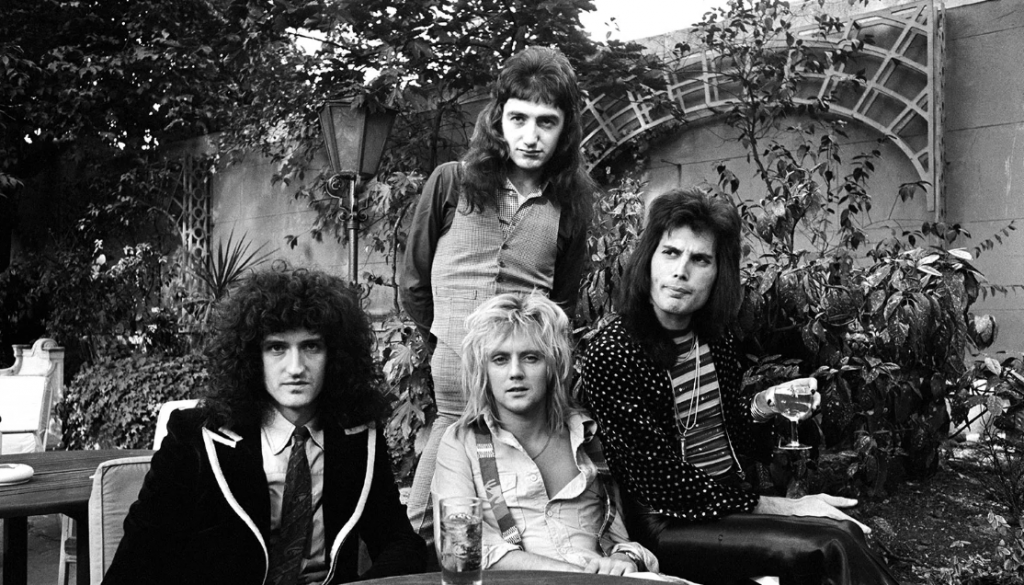
I chose to write my book about the song “Bohemian Rhapsody”, which was released in 1975 by Queen.
The song stands as one of the most groundbreaking and influential songs in rock history. Written by Freddie Mercury for the album A Night at the Opera, this six-minute suite defied traditional song structure and pushed the boundaries of rock music with its ambitious fusion of styles and genres.
Historical Context
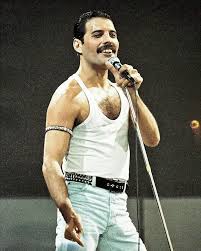
By the mid-1970s, rock music had evolved from its blues-based roots into a diverse genre encompassing hard rock, progressive rock, and glam rock. Queen emerged during this period as a band that combined theatricality with musical sophistication. “Bohemian Rhapsody” was released at a time when the concept of the “album rock” format was gaining traction, encouraging experimentation beyond the three-minute pop single. Despite skepticism from critics and record executives, the song became a commercial success, spending nine weeks at the top of the UK Singles Chart and later finding renewed popularity in the 1990s after its inclusion in the film Wayne’s World.
Musical Innovation
“Bohemian Rhapsody” is a masterpiece that combines elements of rock, opera, and balladry. The song is divided into distinct sections:
- The Intro – A cappella harmonies that immediately grab the listener’s attention.
- The Ballad – A melancholic piano-driven segment reflecting themes of guilt and existential questioning.
- The Opera – A whimsical and over-the-top section featuring complex vocal layering and dramatic lyrics.
- The Hard Rock – A powerful guitar riff by Brian May anchors this climactic section.
- The Outro – A soft, reflective conclusion that echoes the intro.
Cultural Impact
“Bohemian Rhapsody” broke the mold for what a rock song could be. Its theatricality and unconventional structure inspired future generations of musicians to experiment with genre and form. The accompanying music video, featuring the band’s iconic silhouetted poses, is often credited with popularizing the concept of the promotional video in the music industry.
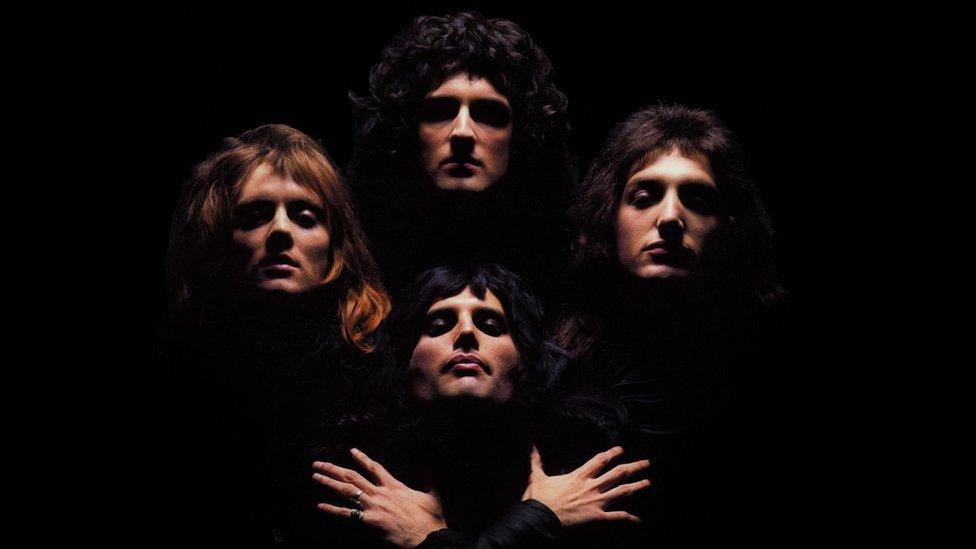
The song also holds a unique place in pop culture. It has been covered and parodied countless times, demonstrating its enduring appeal across generations. Additionally, the 2018 biographical film Bohemian Rhapsody further cemented the song’s legacy, introducing it to new audiences while celebrating Freddie Mercury.
Legacy and Influence
The legacy of “Bohemian Rhapsody” extends beyond its chart success and critical acclaim. The song’s complex structure and emotional depth have influenced countless artists across genres. Bands like Muse, Panic! At The Disco, and My Chemical Romance have cited Queen as a key inspiration, often adopting similar theatrical and experimental approaches in their music.
The song’s fusion of genres also paved the way for progressive and symphonic rock acts to explore new creative horizons.
Moreover, “Bohemian Rhapsody” became a unifying anthem for audiences around the world. Its universal themes of love, guilt, and redemption resonate deeply with listeners, while its dramatic shifts in tone and style evoke a wide range of emotions. The communal experience of singing along to the operatic section at concerts or karaoke events underscores the song’s unique ability to bring people together through music.
One of the most notable aspects of “Bohemian Rhapsody” is its groundbreaking technical production. Recorded over a three-week period, the song utilized cutting-edge recording techniques of the time. The band experimented extensively with overdubbing, often bouncing tracks between tapes to layer Mercury’s and other members’ vocals. The opera section alone features dozens of vocal tracks, creating a choir effect that was unprecedented in rock music.
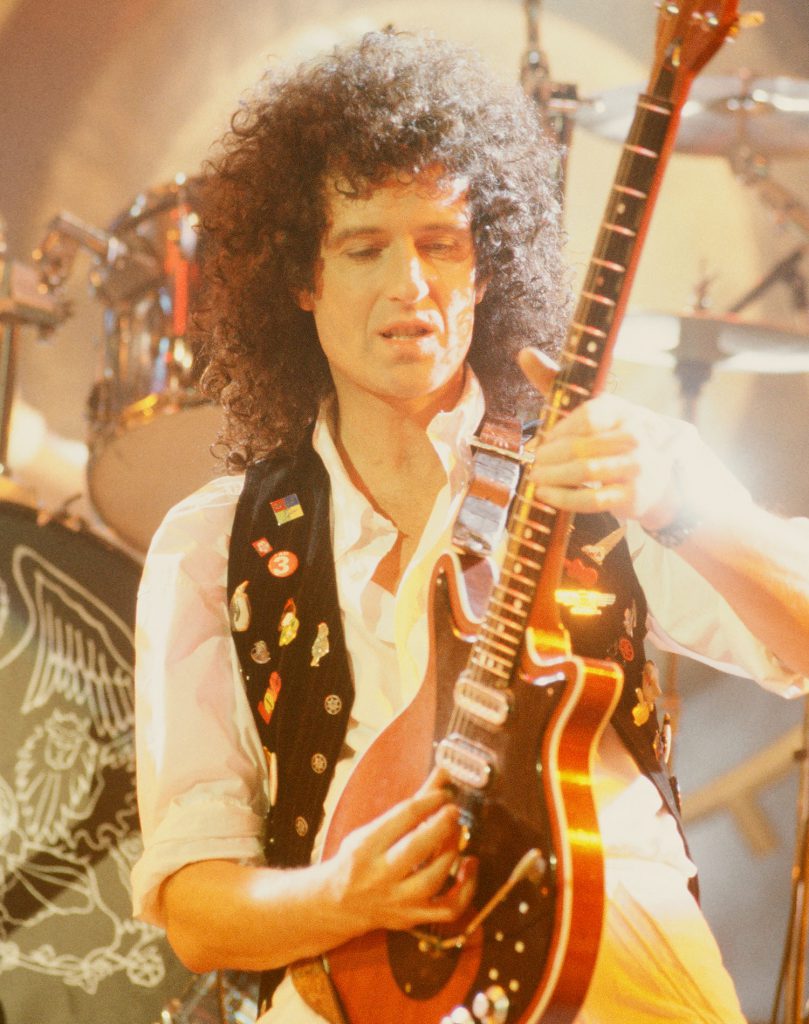
Additionally, Brian May’s use of the Red Special guitar, a custom-built instrument, added unique tonal qualities to the rock sections. The song’s dynamic shifts were carefully crafted, with the mixing process ensuring each segment flowed seamlessly into the next. These innovations showcased the studio as an instrument in itself, paving the way for future experimentation in rock production.
The lyrics of “Bohemian Rhapsody” have sparked endless interpretations and debates among fans and critics alike. At its core, the song tells a deeply personal story, often interpreted as Freddie Mercury’s internal struggle with identity, guilt, and redemption. The enigmatic narrative—with lines like “Mama, just killed a man” and “Beelzebub has a devil put aside for me”—invites listeners to explore themes of existential angst, confession, and the search for absolution.
Some interpretations suggest that the song reflects Mercury’s own experiences, particularly his grappling with his sexuality in a conservative era. Others view it as a symbolic tale, blending theatrical storytelling with universal themes of love and loss. The operatic section, filled with references to Scaramouche, Galileo, and Figaro, adds a surreal and fantastical dimension, emphasizing the song’s theatricality.
Published: Dec 20, 2024
Latest Revision: Dec 20, 2024
Ourboox Unique Identifier: OB-1635223
Copyright © 2024

 Skip to content