






by Antonio Anglero
Copyright © 2025
Discussing Mental Illness Before the Internet Challenges and Stigma

Copyright © 2025
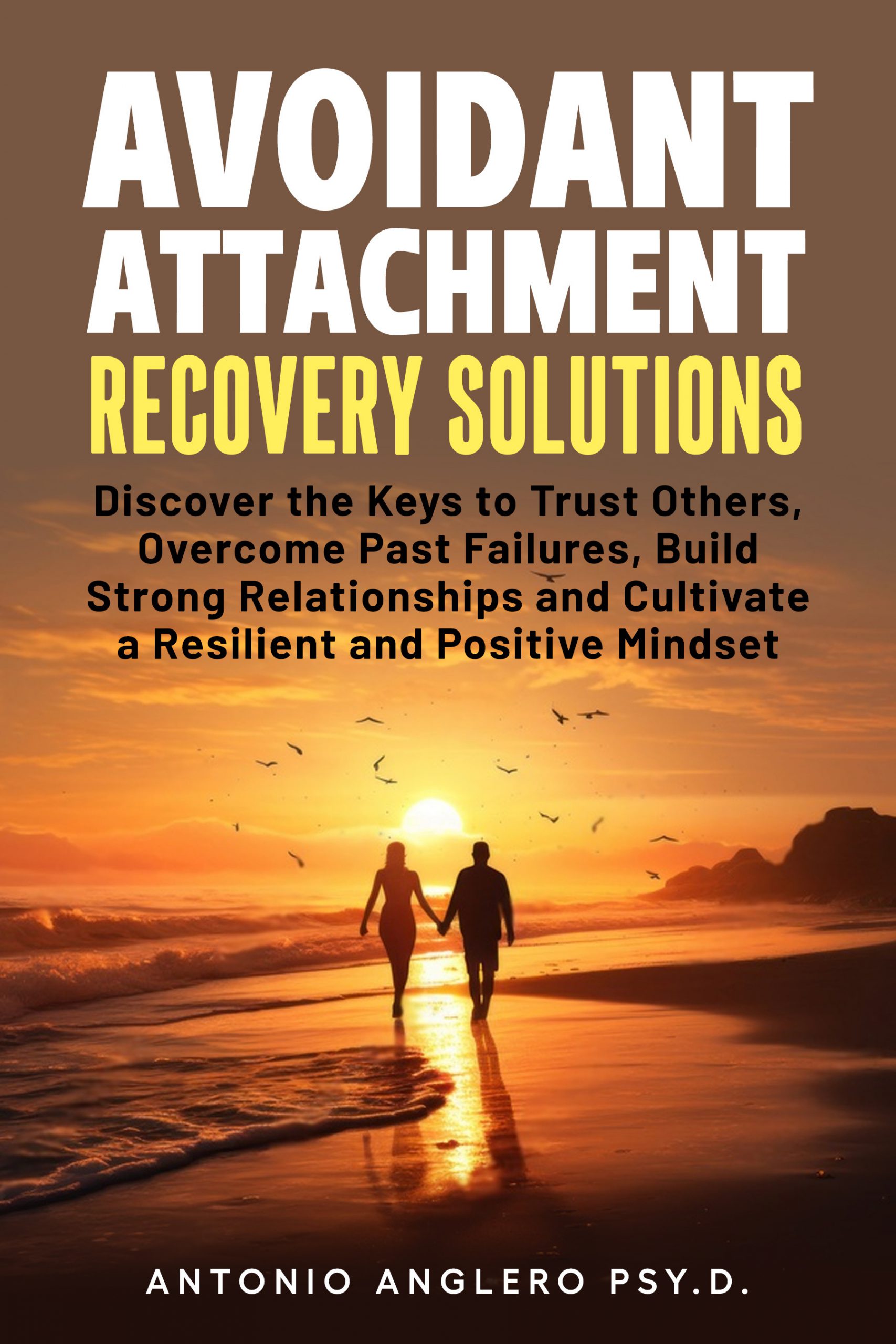
The discussion about mental health has changed greatly in recent decades. Kelleen Dawson, the author of the book titled What’s Wrong? I Don’t Know. Before the Internet Age, talking about mental illness was difficult due to stigma, making it hard for people to get help and find support. This article explores how mental health conversations have changed throughout history and the impact of the internet on this transformation.
Before the Internet became widely used, conversations about mental illness were not common. Individuals experiencing depression or anxiety frequently encounter stigma and misconceptions. Getting assistance was a challenging undertaking as numerous doctors either ignored mental health worries or simply recommended mild sedatives without tackling the underlying problems.
The stigma related to mental illness was widespread, impacting all areas of life. Acknowledging a mental health problem may lead to losing employment, being excluded from society, and facing rejection from family. Talking about mental health issues before the internet was nearly impossible. Simply acknowledging a mental illness could result in losing your job. You were always anxious, which elevated your level of worry. Many were too afraid and anxious to seek help, causing them to suffer silently in the never-ending cycle.
The rise of the internet was a pivotal moment in addressing mental health issues. It offered a space for people to exchange their stories and receive encouragement from those facing similar challenges. Online platforms such as forums, support groups, and informational websites have appeared, providing a feeling of belonging and mutual comprehension. Since the internet was introduced, individuals were able to discover knowledge and groups that alleviated their sense of loneliness. They were able to learn about the experiences of others and understand they were not the only ones.
The internet has also been vital in confronting and decreasing the negative perception linked to mental health disorders. Public figures and advocates have shared their personal experiences, working to make conversations about mental health more common and increase awareness. Educational programs have stressed the fact that mental illness is a valid medical issue that needs appropriate care and assistance.
The act of public figures and advocates sharing their personal experiences online has played a role in reducing the stigma around mental health problems and motivating others to seek assistance. This change has simplified the process for people to ask for assistance and guidance without worrying about being criticized
Addressing the stigmas surrounding mental health is crucial for fostering a more understanding and supportive society. By continuing to educate and advocate, you can help to create an environment where individuals feel safe to seek the help they need without fear of judgment. It is only through compassion and empathy that you can truly support those affected by mental illness.
You can learn more about the life of Kelleen Dawson from her book which is What’s Wrong? I Don’t know which is now available on Amazon. This is the best book for those who are a book reader and want to learn more about mental illness problems and facing difficulties in their lives throughout their journey.
Published: Feb 25, 2025
Latest Revision: Feb 25, 2025
Ourboox Unique Identifier: OB-1649815
Copyright © 2025

 Skip to content