






THE SOIL AND THE WATER: a scientific activity in 3^ class

Copyright © 2017
INTRODUCTION
This scientific activity is a part of an Ambient Education project about the river realized in a third class with the CEAS collaboration.
The Ambient Education is the “mission” of our school
“Scuola è… educare nel territorio, rispettare l’ambiente, per partecipare e condividere culture” ( School is… educating in the territory, respecting the environment in order to partecipate and share cultures).
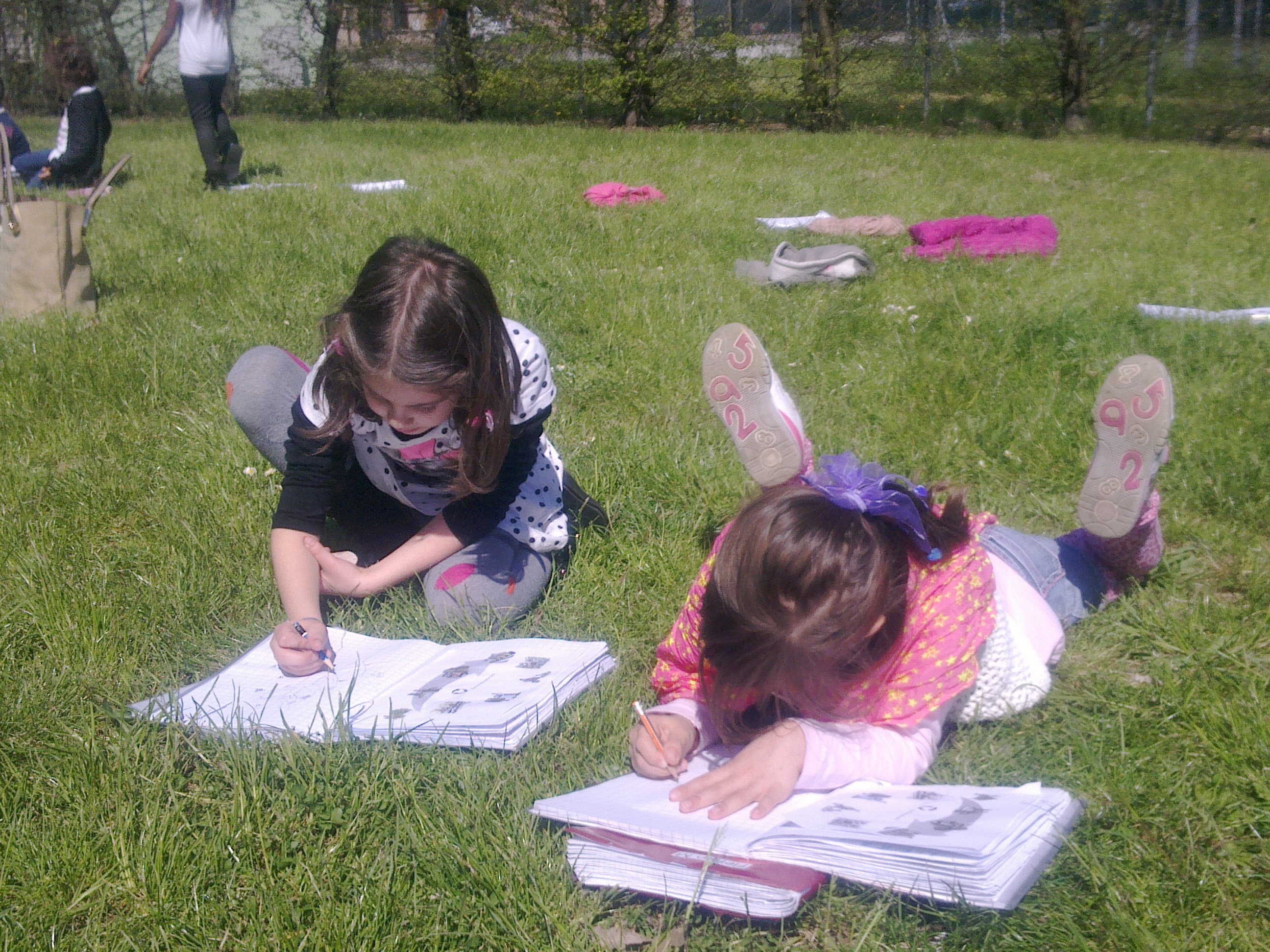
Ambient Education is an instrument of knowledge and it furthers conscious and responsable attitudes.
Ambient as home territory, as physical and cultural space where children live.
Ambient as laboratory, natural and privileged field of expertise.
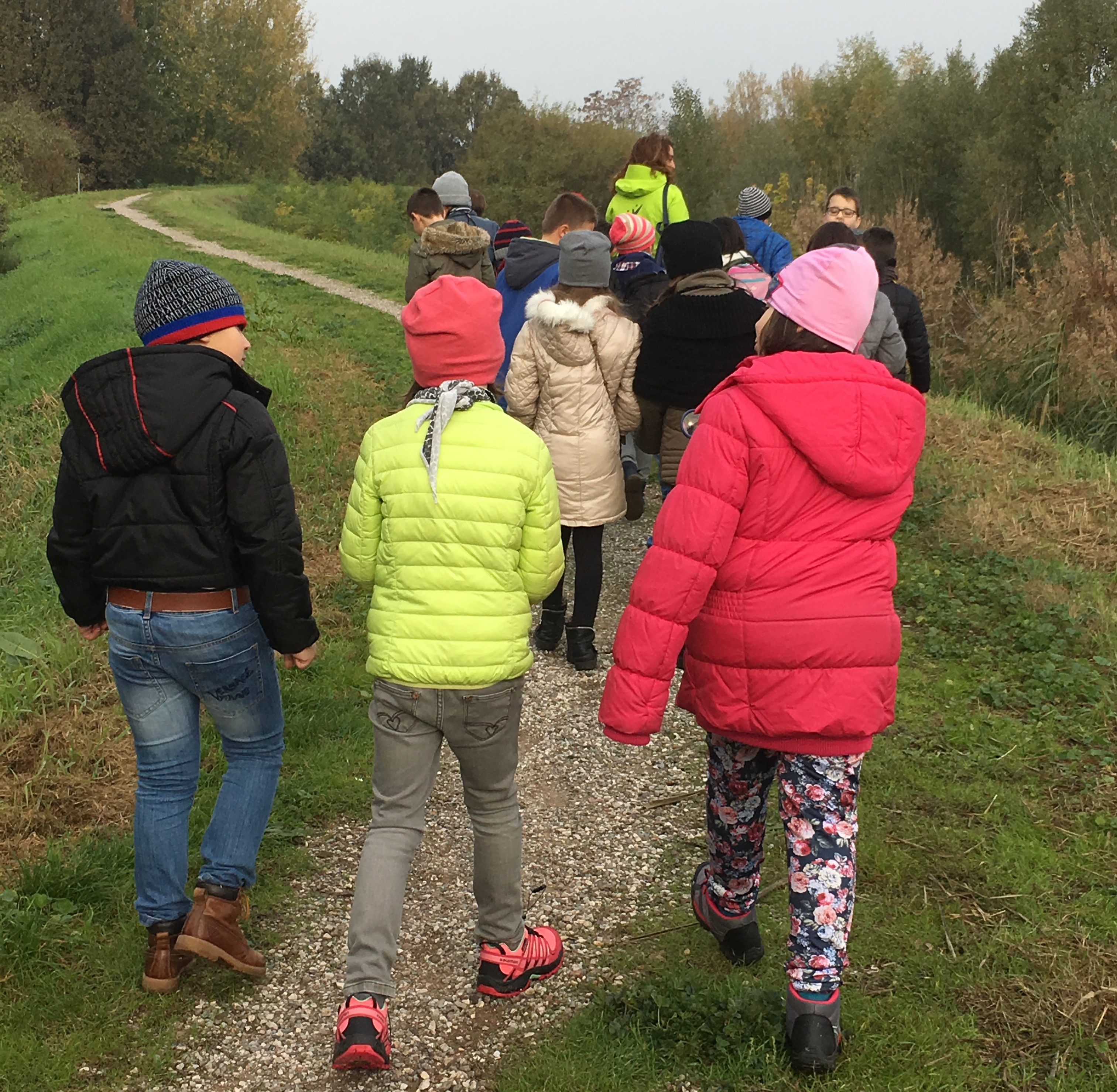
Therefore a project about the river, because Sorbara (where we live) is a small village between two river: Secchia and Panaro.
Speaking about the river by educational tours, observations and thoughts about these observations.

A teaching by experiences.
A teaching that can arouse the children curiosity and allows them to test their skills.
A teaching creating a learning environment that bears up exploration and research, goades cooperative learning, spures dialogue, reflection and planning.

The project involves many subjects: geography, science, maths, social education.
The interdisciplinarity is very important because the children’s mind is not divided into sectors.
The teaching/learning process goes on by a cooperative work
– direct observations,
– collections of materials and data,
– documentation by fact sheets,
– pratical experiences,
– thinking and arguing,
– synthesis by drawings, reports, diagrams…
We want to connect the spontaneous knowledge with the founding nucleuses of scientific thought to structure the informal thought more and more consistent and organized.
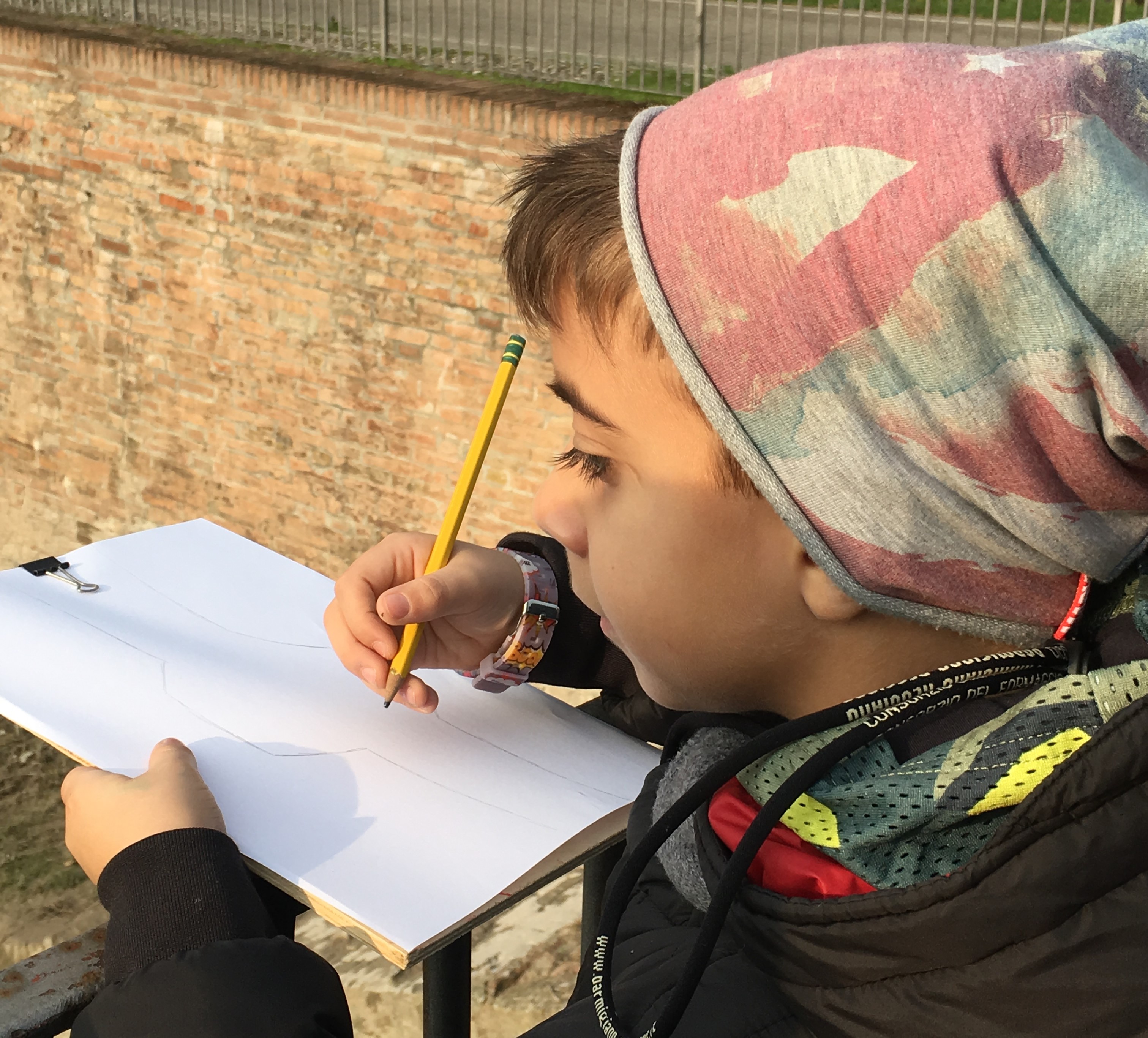
THE EDUCATIONAL TRAIL
1) The lesson by CEAS expert about the Panaro river and its relationships with the Padana plain and the man.
2) The children build the plastic to understand how water flows in the riverbed.

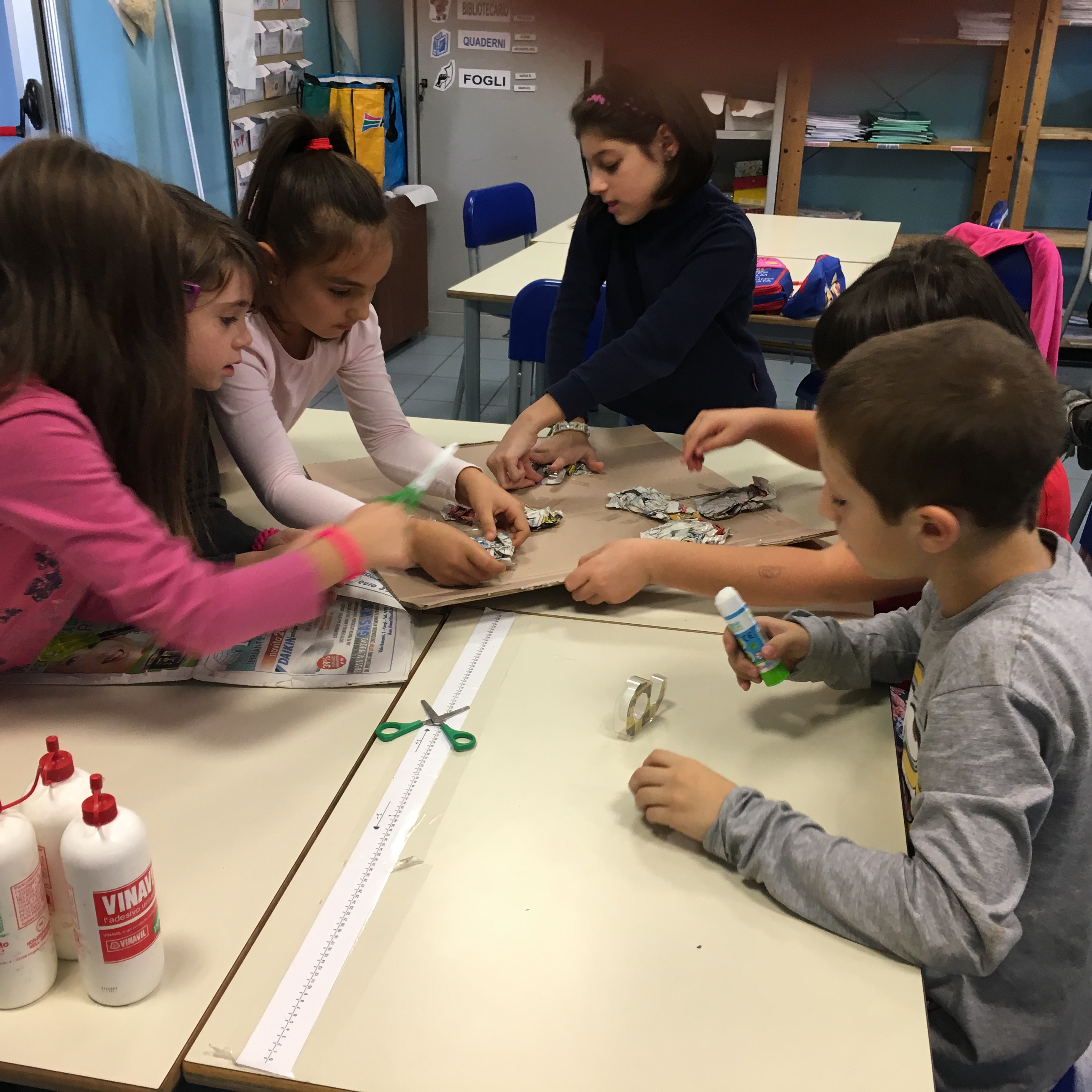
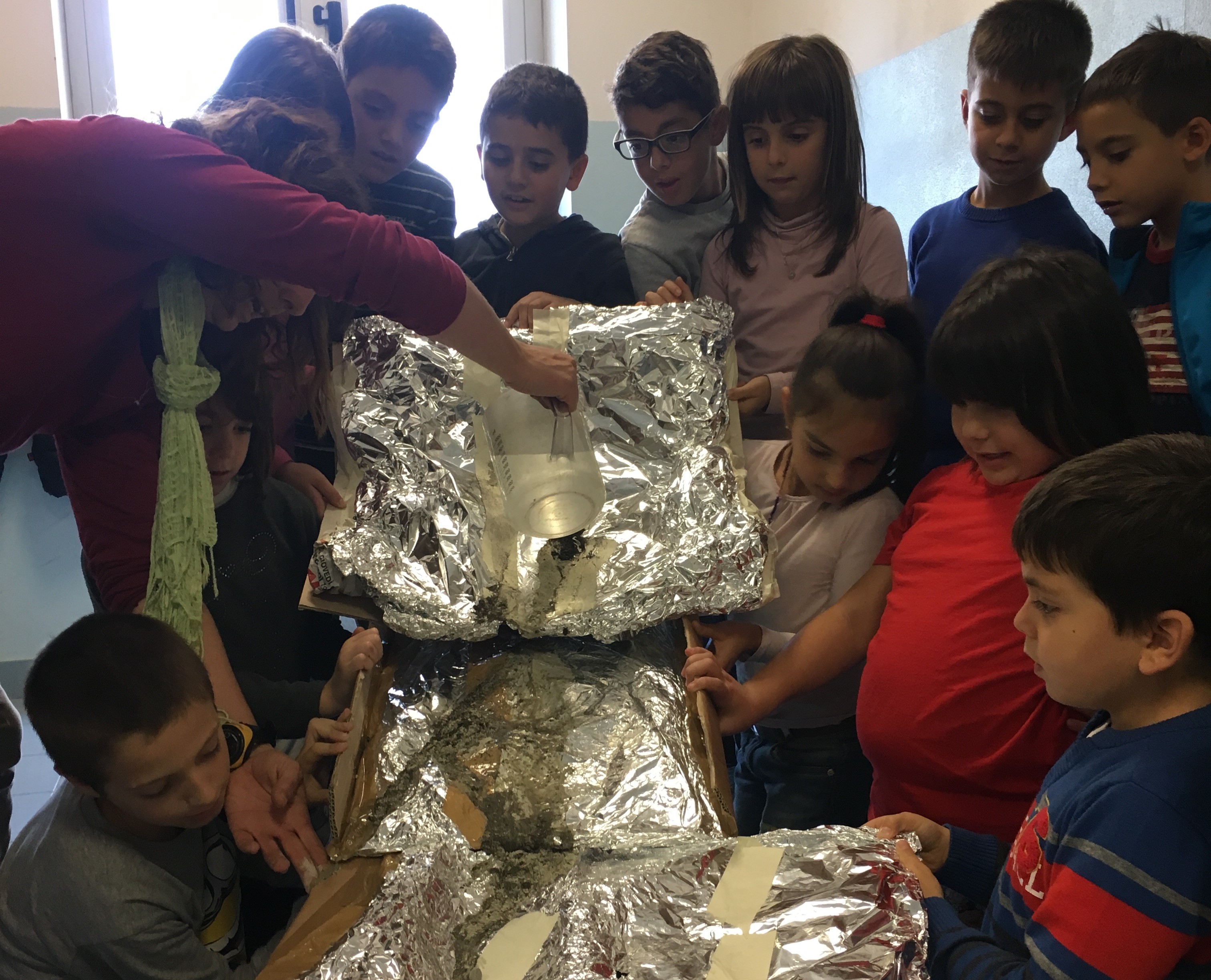
3) Trip to Marano: the Panaro between the hills.

4) Trip to Bomporto: the Panaro in the plain.
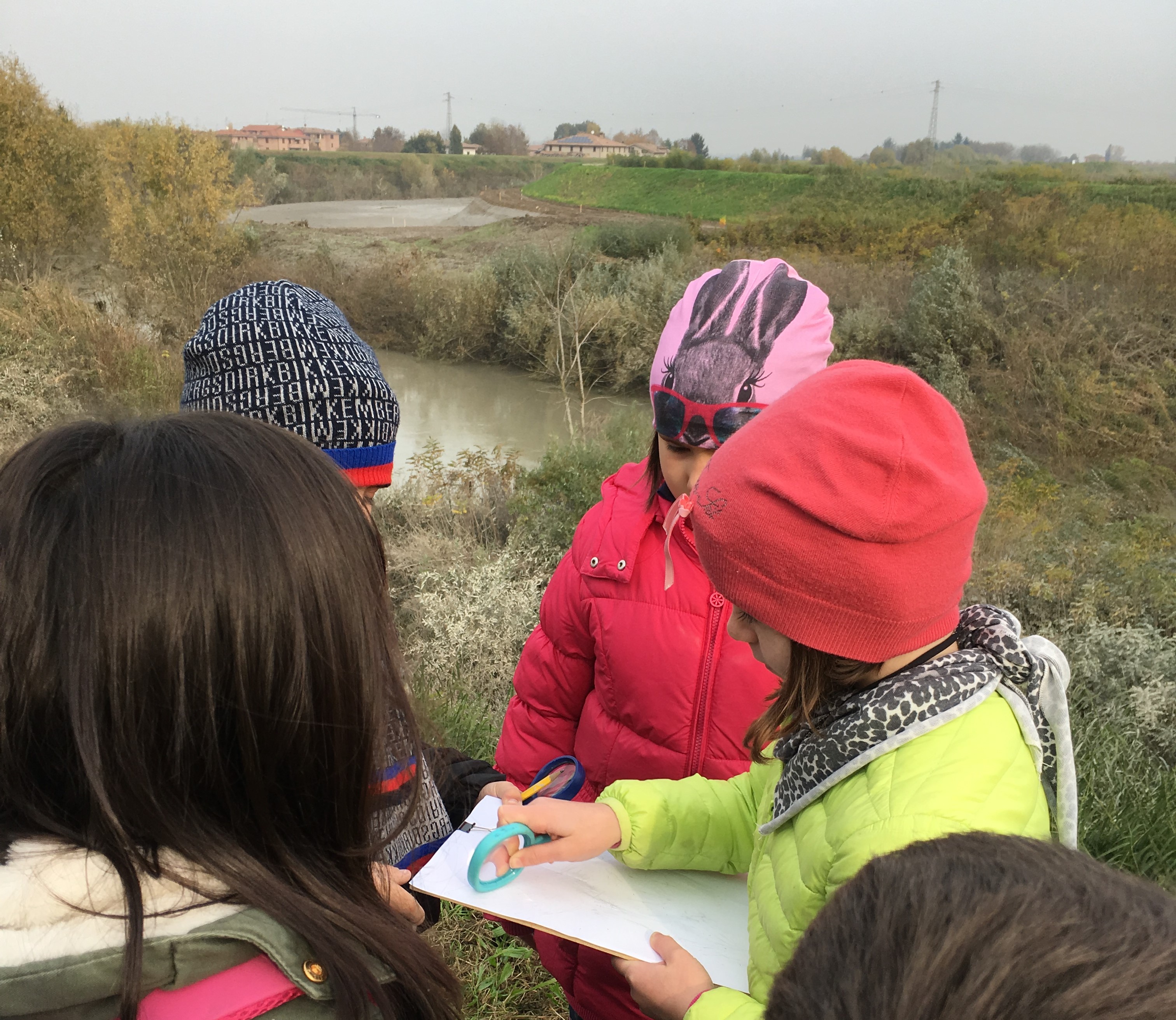
5) Reading the map of the province of Modena, the topographic map of Bomporto, the map of catchment area of Panaro.
6) Synthesis.
We realized that…
the river ERODES rocks,
the river CARRIES gravel and sand,
the river DEPOSITS.
THE SCIENTIFIC PROJECT: RELATIONSHIPS BETWEEN WATER AND SOIL
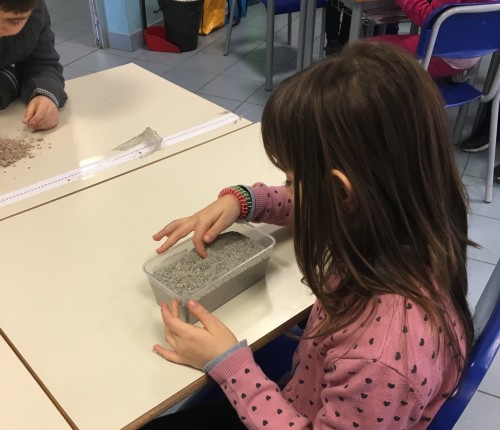
1) We observe and describe different types of soil.
This is a CLIC in English.
Children learn adjectives and colours.
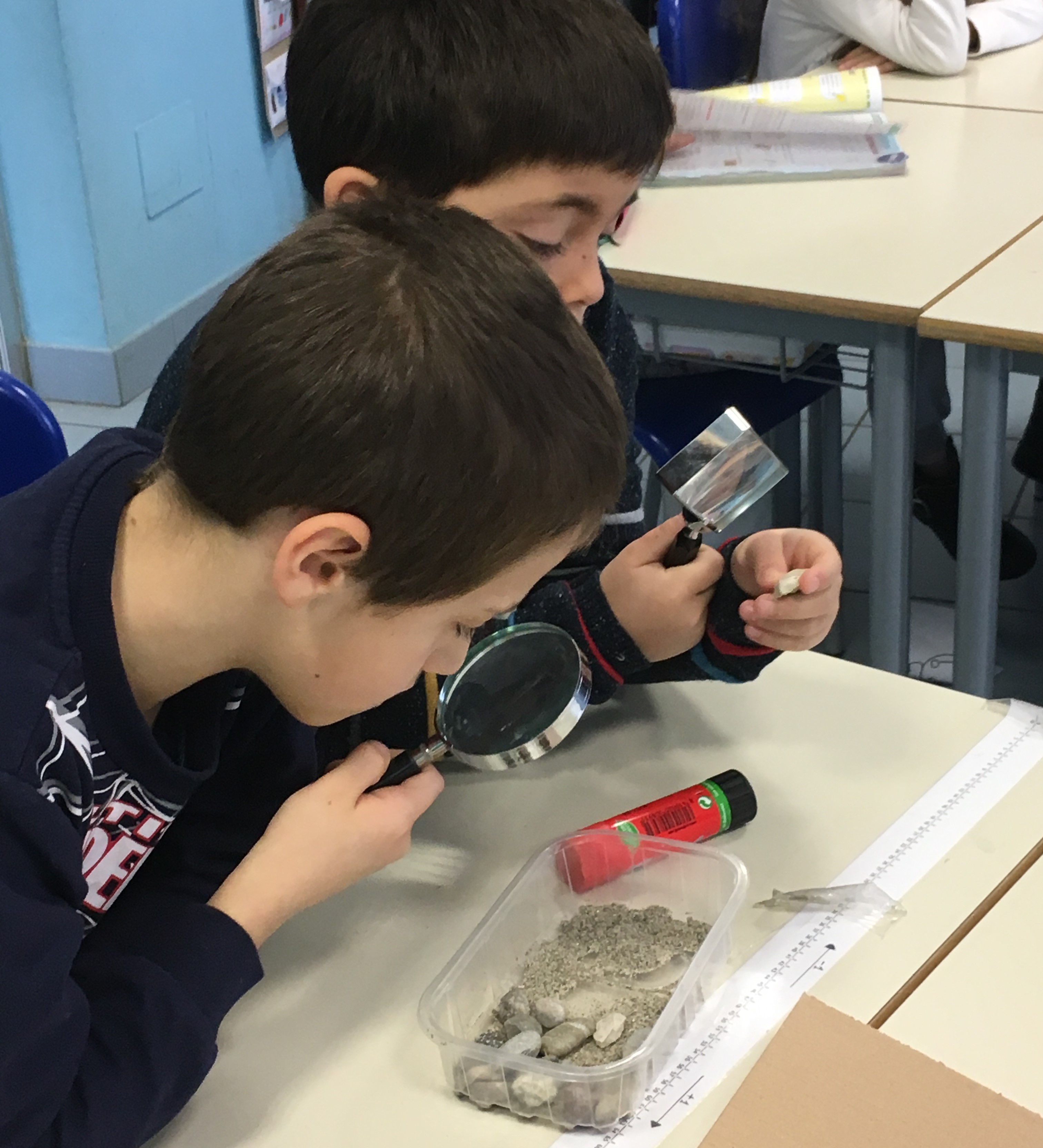
WE OBSERVE AND DESCRIBE SAMPLES OF SOIL
GRAVEL
THE COLOUR IS WHITE AND GREY.
THE GRANULES ARE LARGE, SMOOTH AND ROUNDISH.
SAND
THERE ARE A LOT OF COLOUR (WHITE, GREY, LIGHT BROWN, BLACK) BECAUSE IT’S COMPOSED BY SEVERAL MINERALS.
THE GRANULES ARE VERY SMALL.
CLAY
THE COLOUR IS GREY.
THE GRANULES ARE VERY THIN.
IT’S SMOOTH. IT SEEMS POWDER.
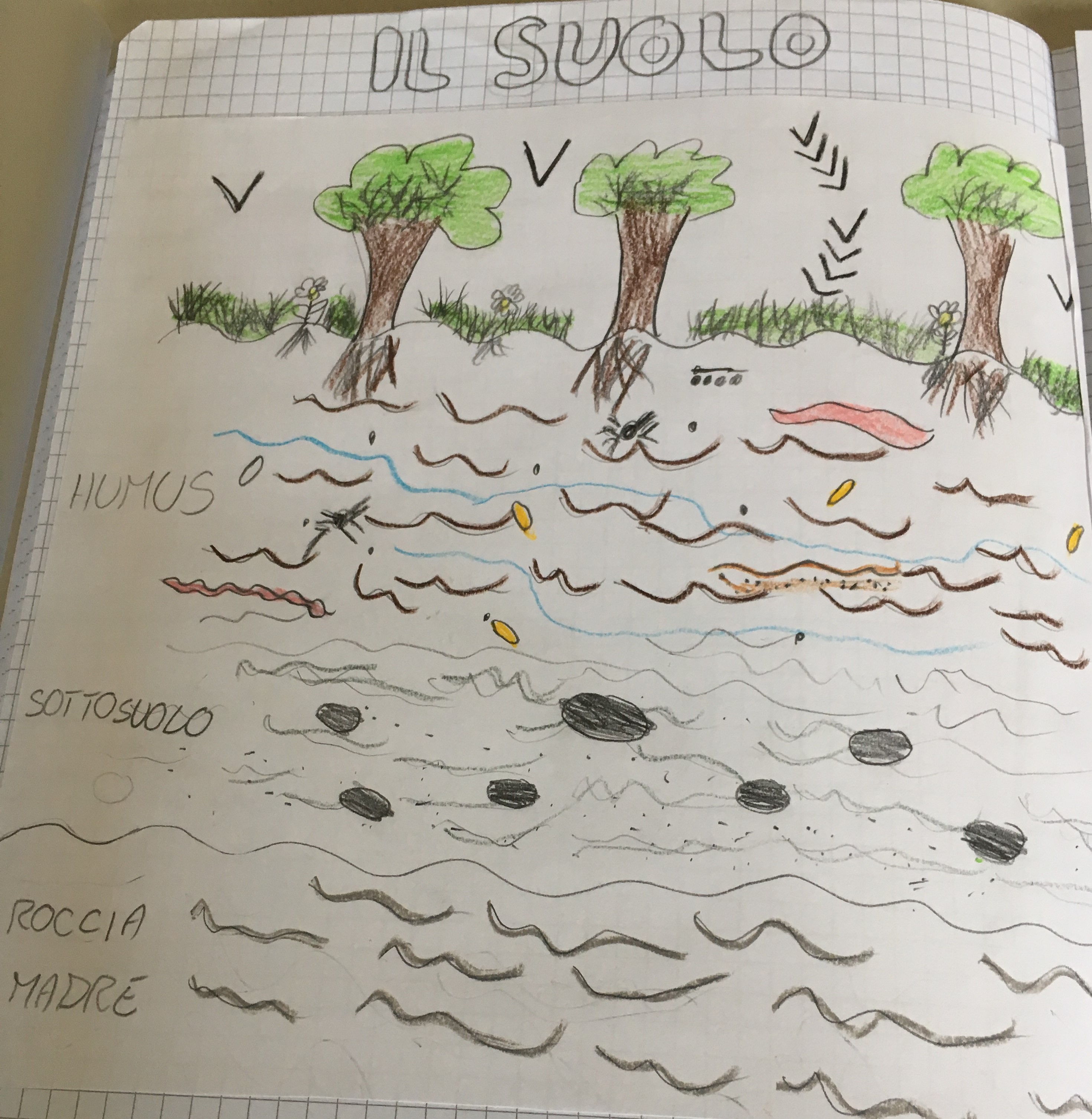
HUMUS
THE COLOUR IS DARK BROWN.
YOU CAN SEE SOME REMAINS OF LEAVES AND INSECTS.
WE SEE AN ANT AND AN EARTHWORM.
2) An experiment about the permeability and the absorption
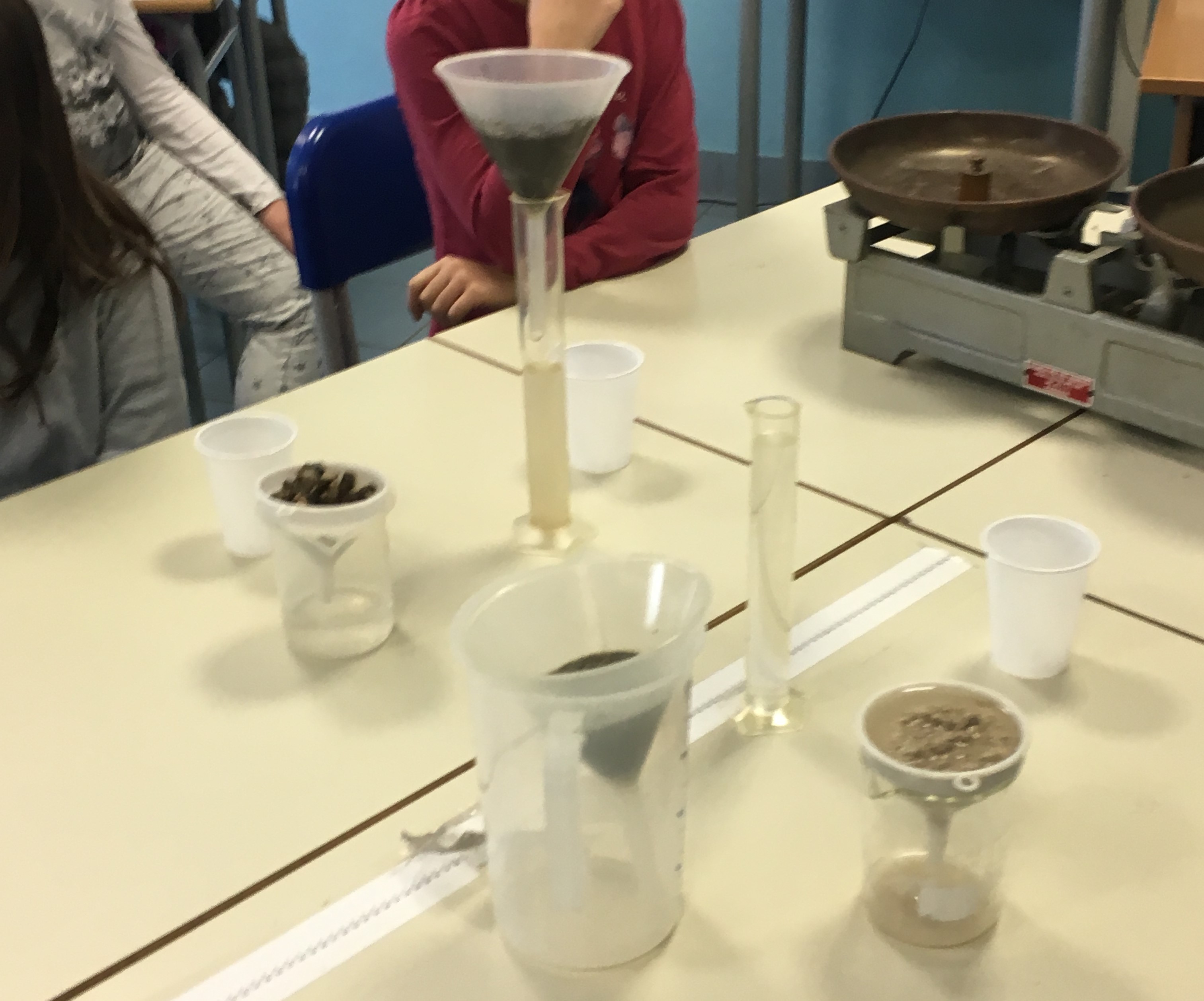
MATERIALS:
100g of sand
100g of gravel
100g of clay
100g of humus
100ml of water for each sample of soil
4 sized containers
4 fannels
A bit of cotton
A weight scale
A timer
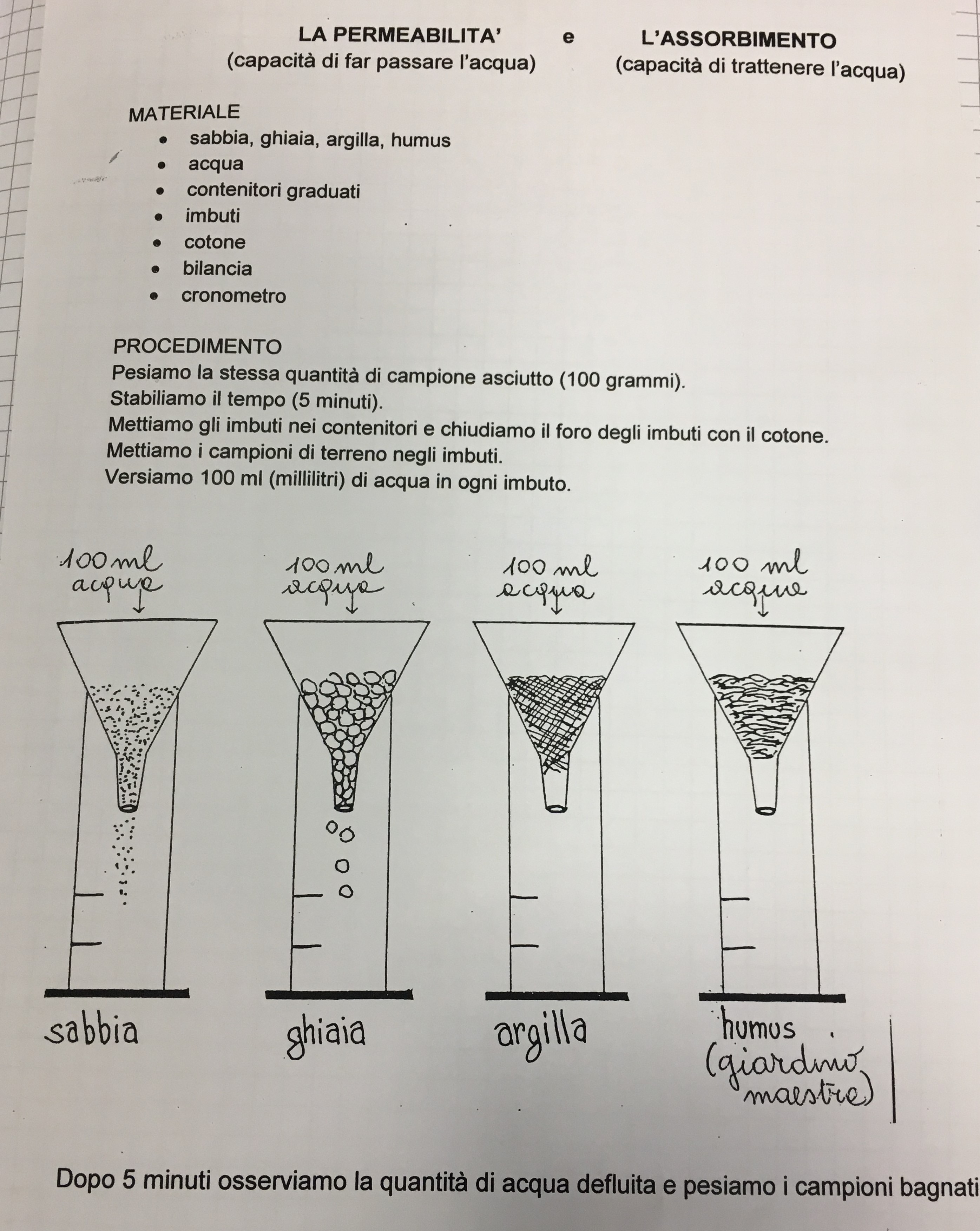
METHOD
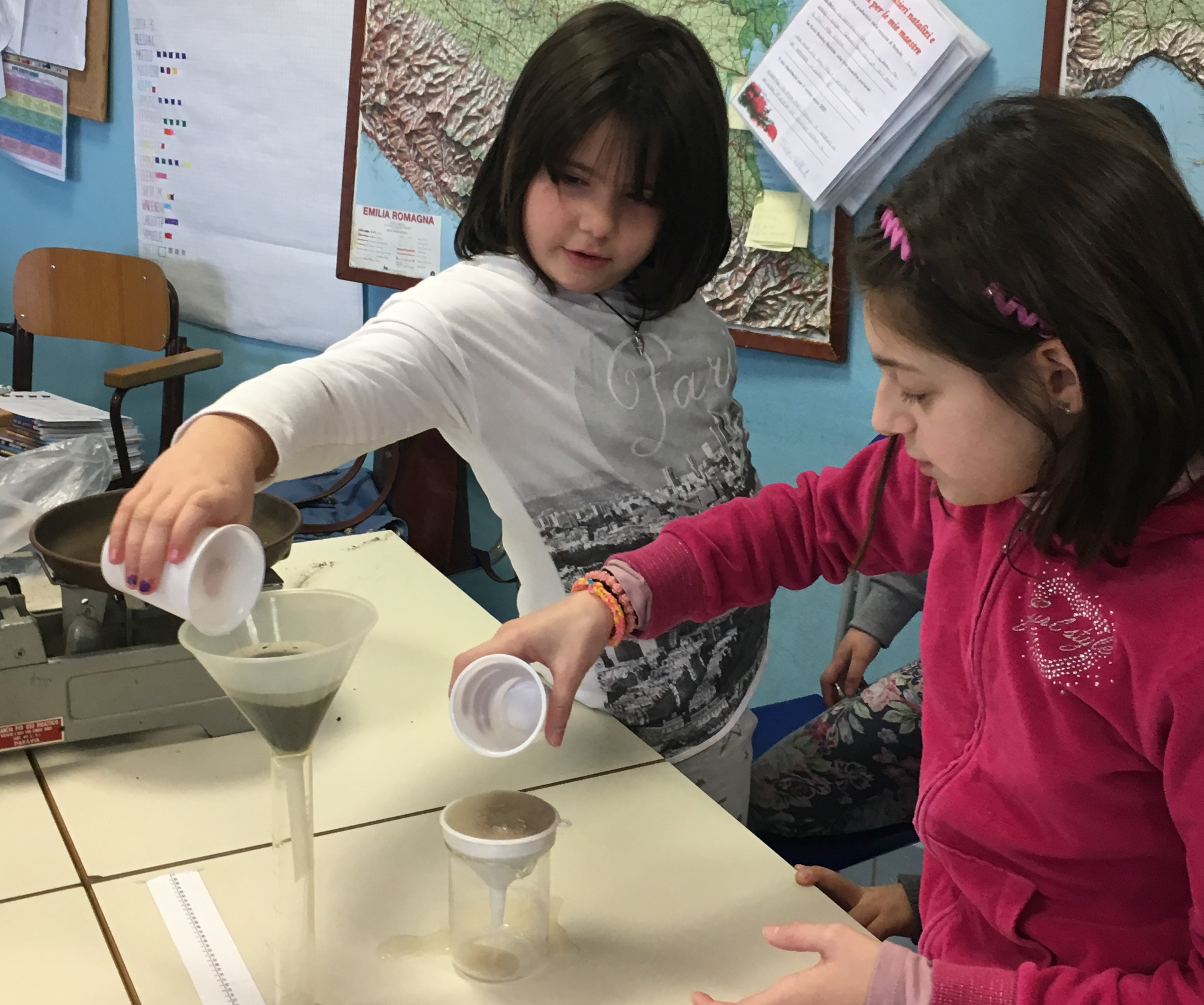
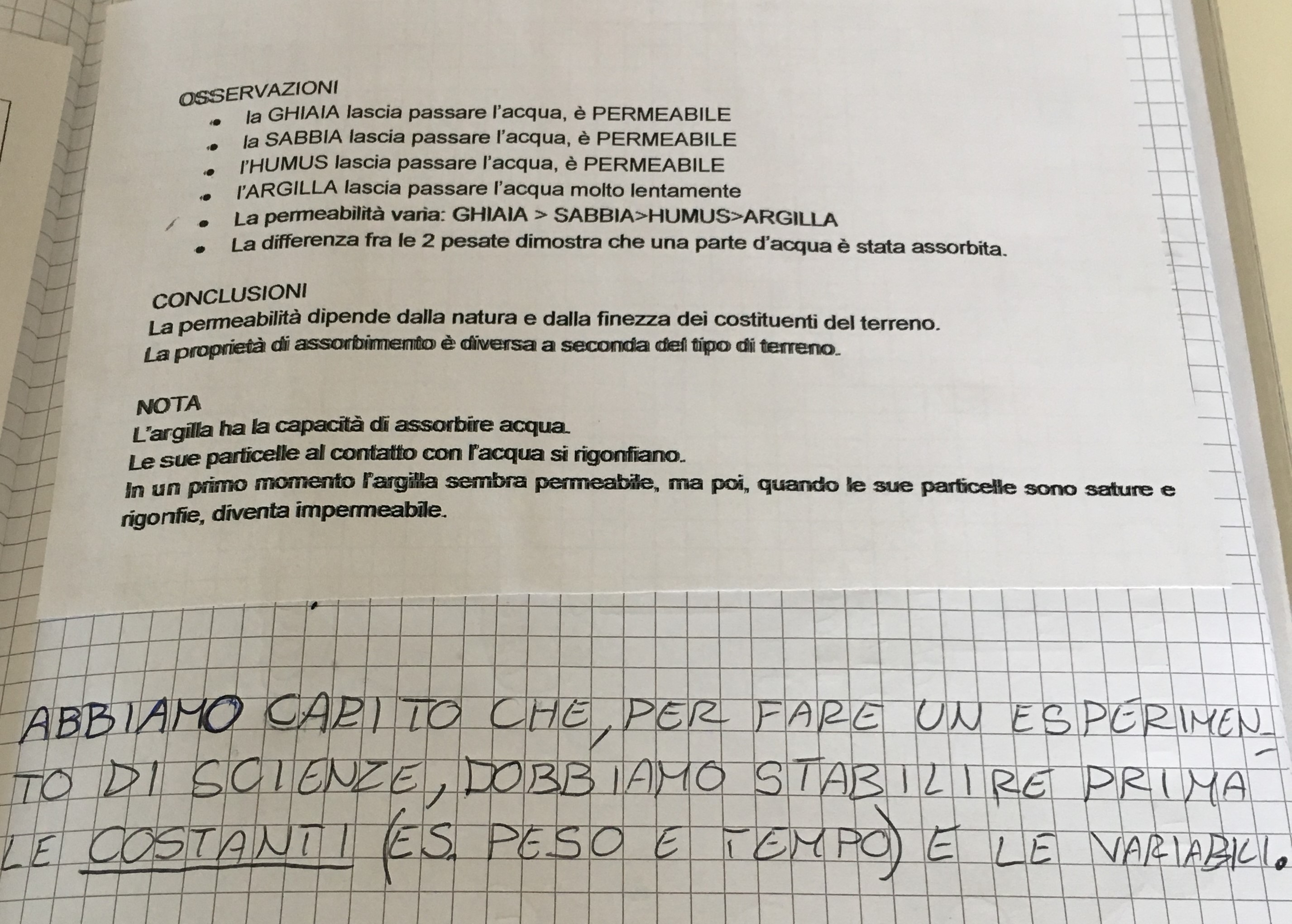
We determine the constants ( weight and time).
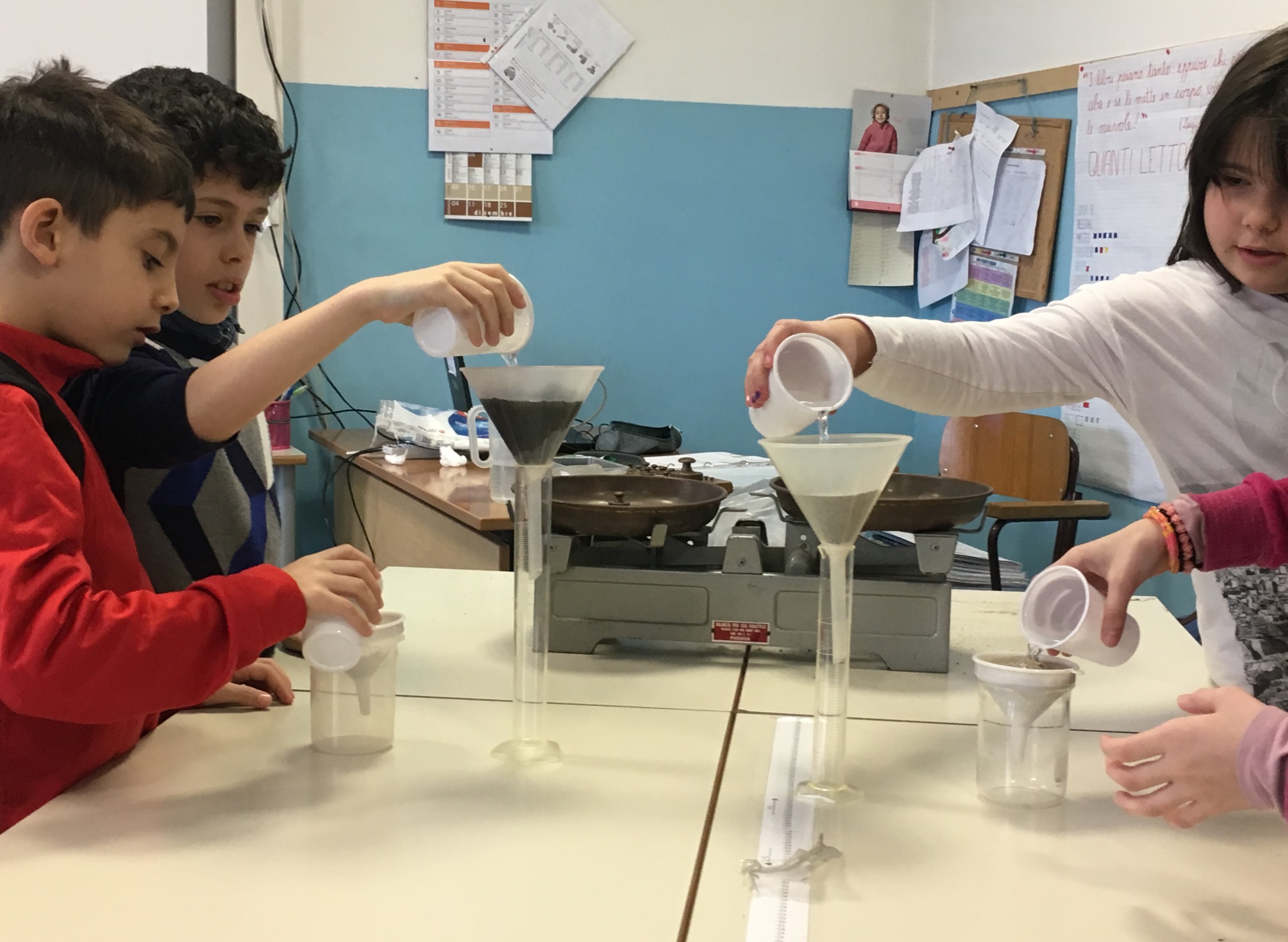
We put the fannels in the containers and we close the hole of the fannels with some cotton.
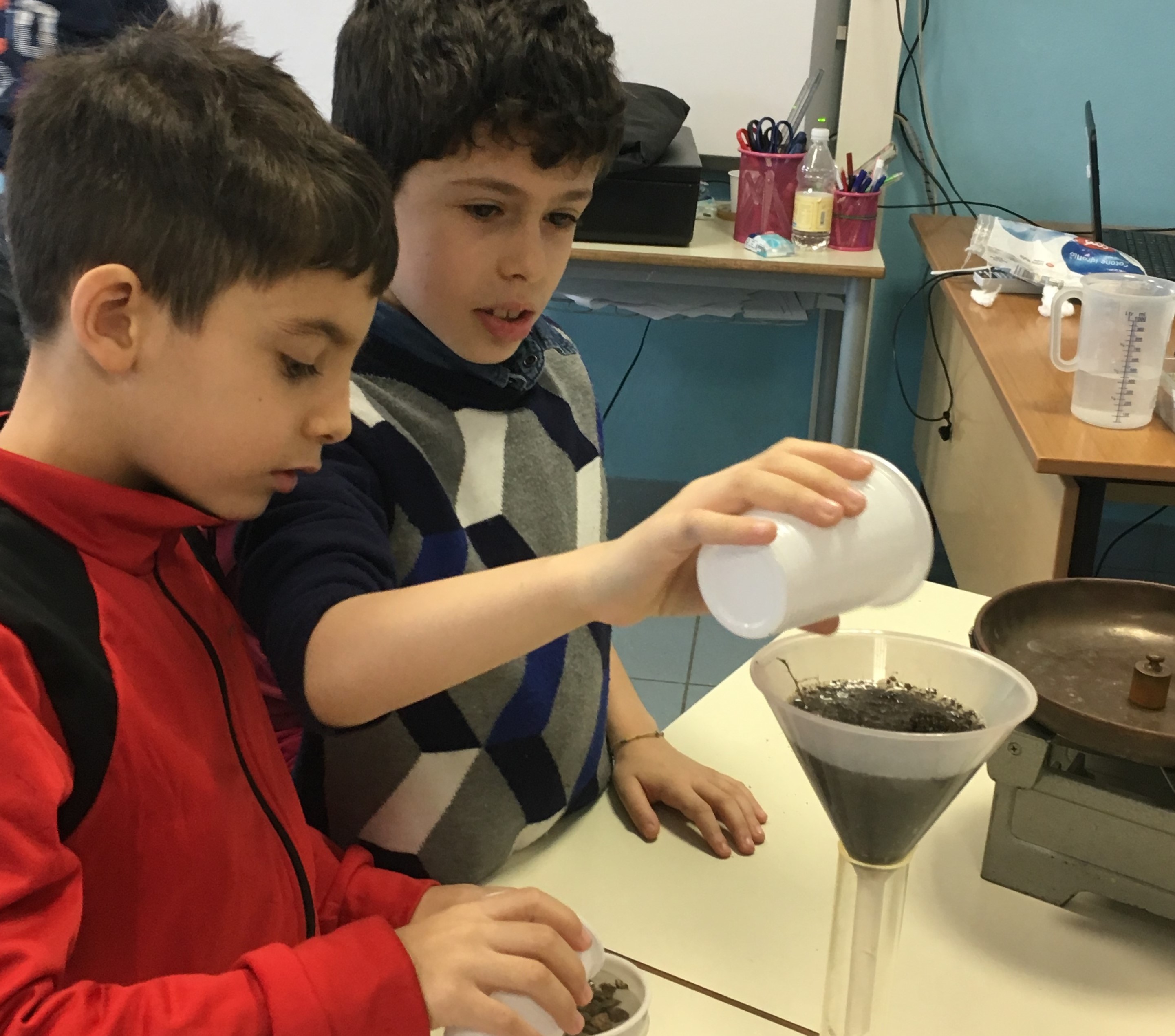
We weigh the soil samples and put them in the fannels.
We measure the water, we pour it into the fannels and we count 5 minutes.
After 5 minutes we measure the drained water, we weigh the samples of soil and we record the data in a table.
After that we evaluate datas.


THE PROJECT’S GOING TO CONTINUE WITH “FROM MINERALS TO PLANTS AND ANIMALS: THE FEEDING CYCLE”
You never stop learning!
And in others subjects….
THE SOIL IN MATH: FRACTIONS AND MEASURES WORKING WITH SOIL AND WATER
Children work in groups of four.
1) First exercise: try to found the half of a sand sample.
They have some sand.
They have to write wich instrument they need and what they want to do.
Some answers…
a) We need a weight scale.
We weigh the sand, then we divide the weight by two.
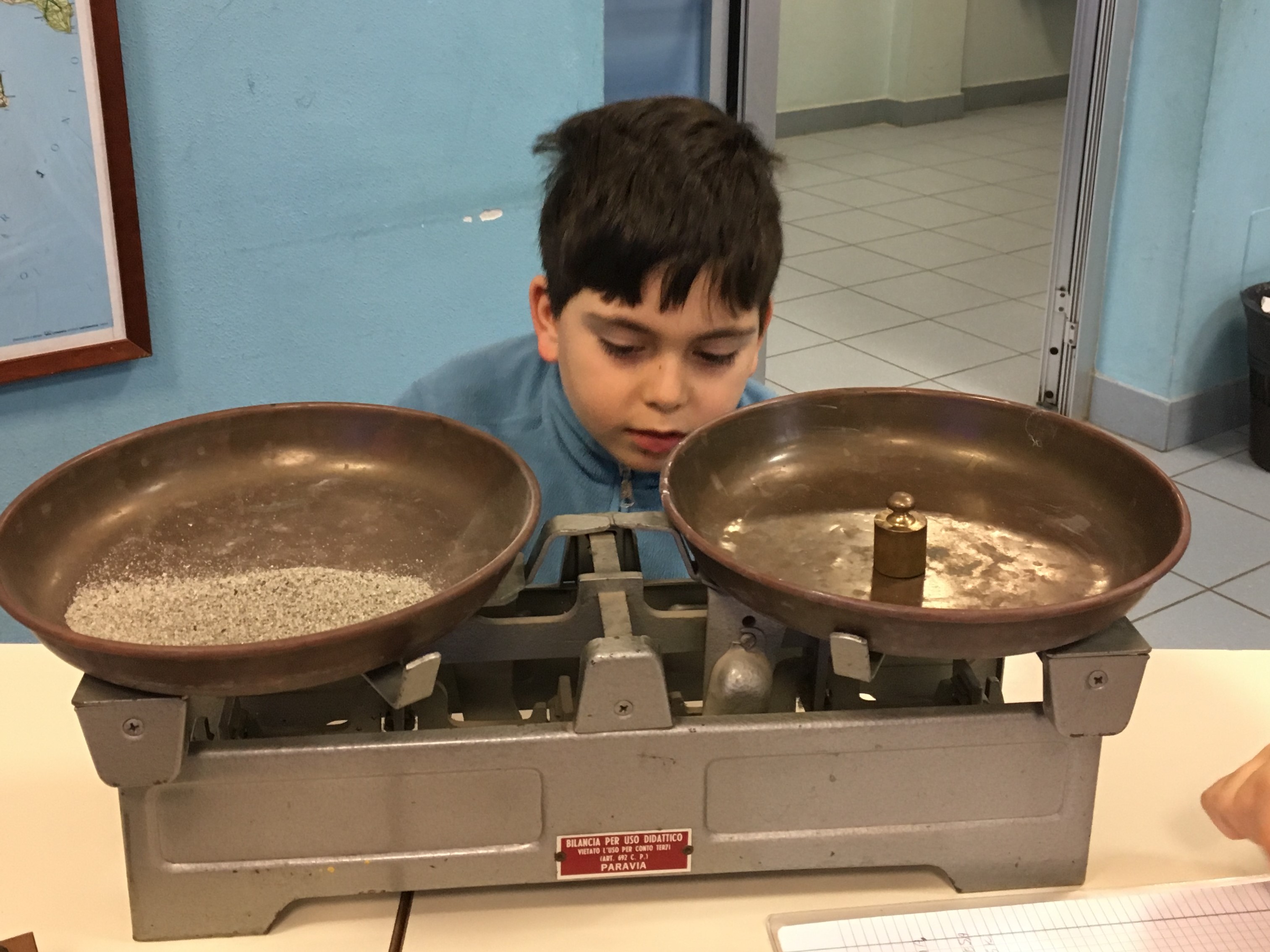
b) We need a weight scale.
We distribute the sand in the two scales. The scales must be in balance.

c) We need two sized containers.
We distribute the sand in the two containers in equal parts.
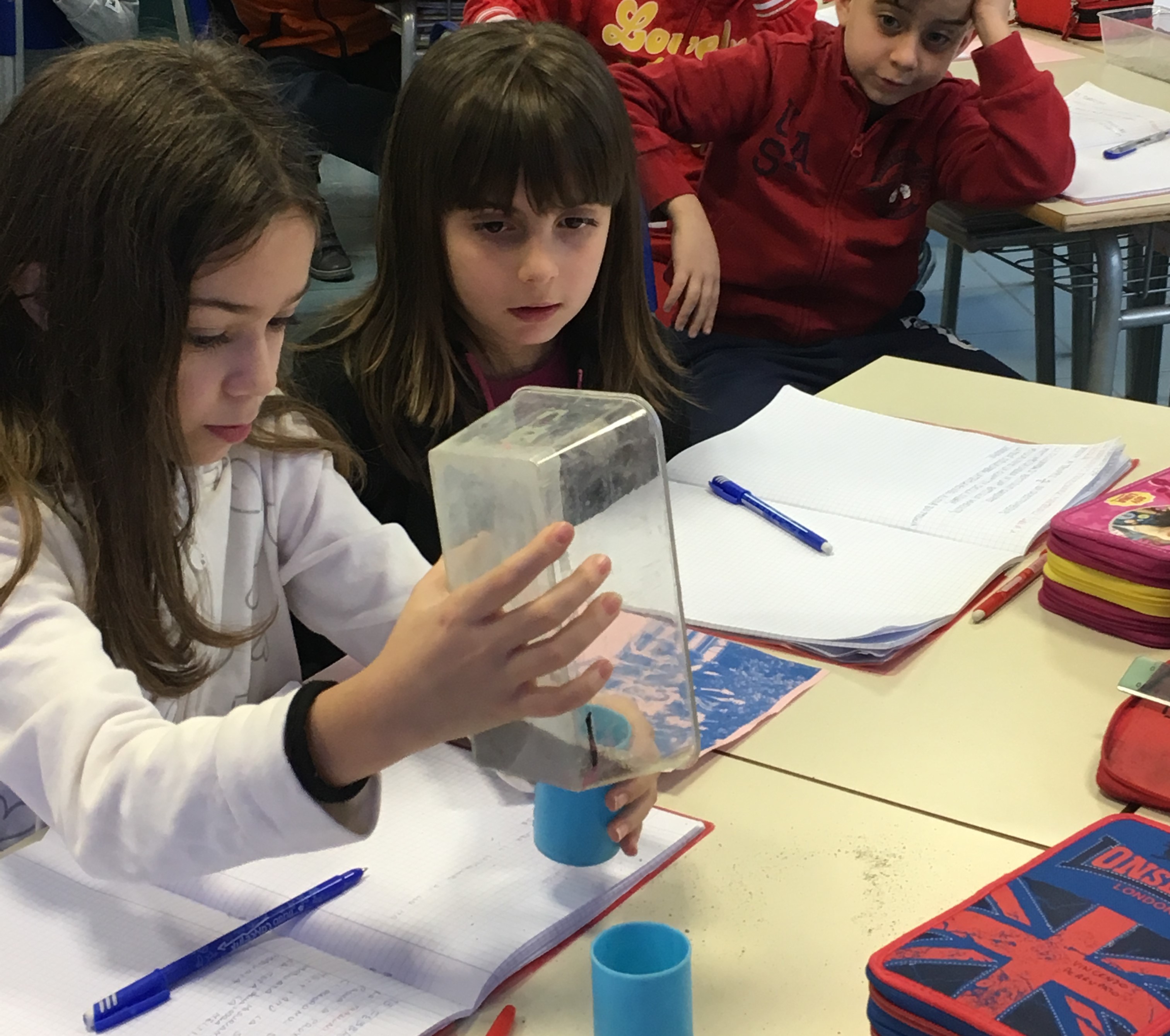
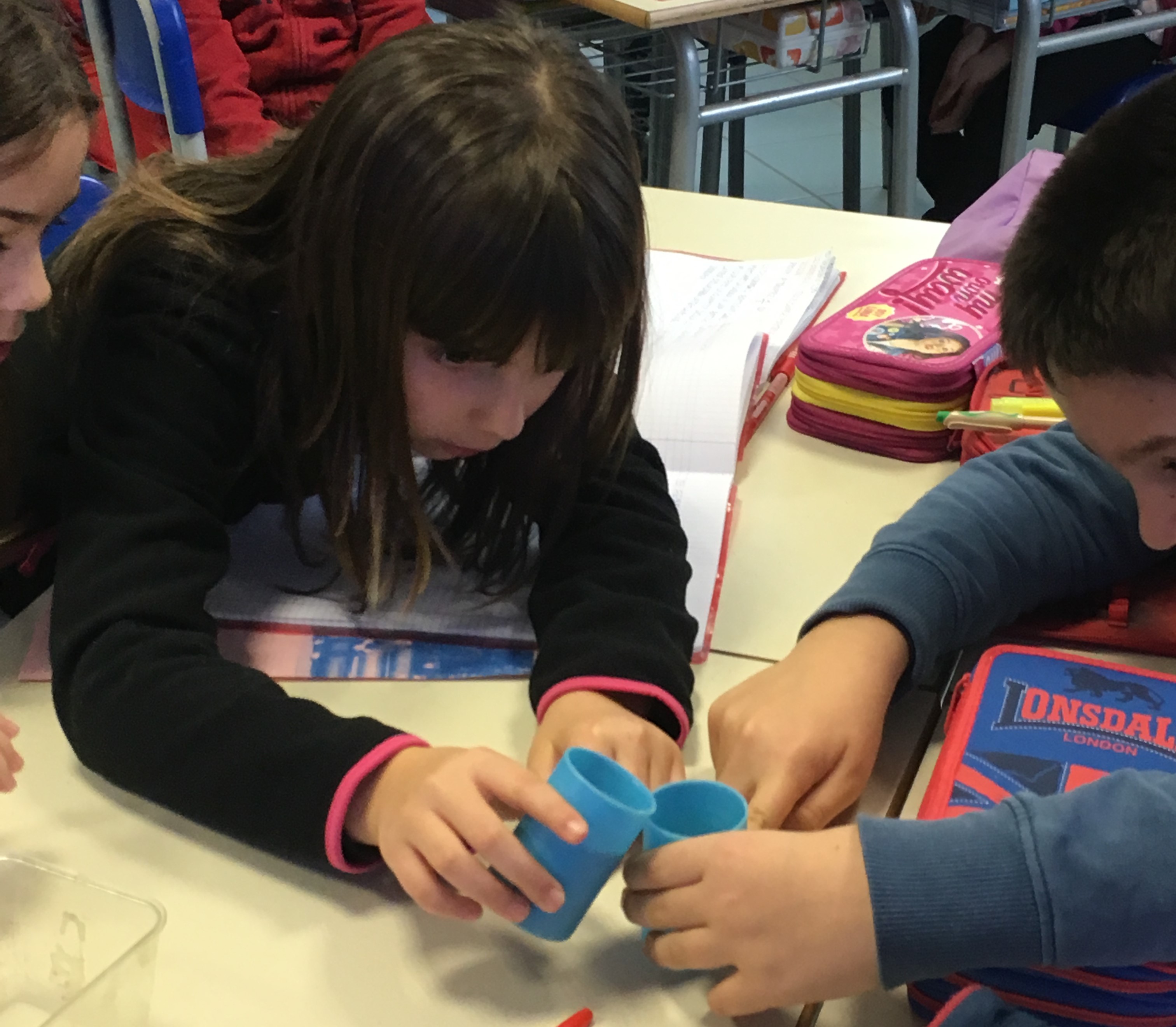
2) Second exercise: try to found a quater of a water sample.
They have some water.
They have to write wich instrument they need and what they want to do.
Some answers…
a) We need a sized container.
We put the water in the container in order to measure it, then we divide by four.

b) We need four sized containers.
We distribute the water in the four containers in equal parts.

LEARNING GOES ON….
Published: Feb 25, 2017
Latest Revision: Mar 30, 2017
Ourboox Unique Identifier: OB-255978
Copyright © 2017

 Skip to content