






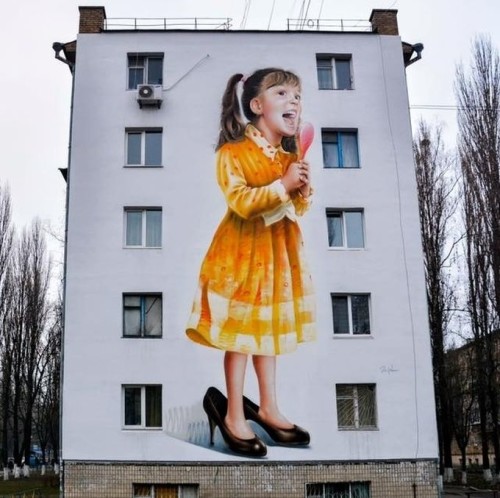
Murals

Copyright © 2017

What is A Mural? A Walk Through History
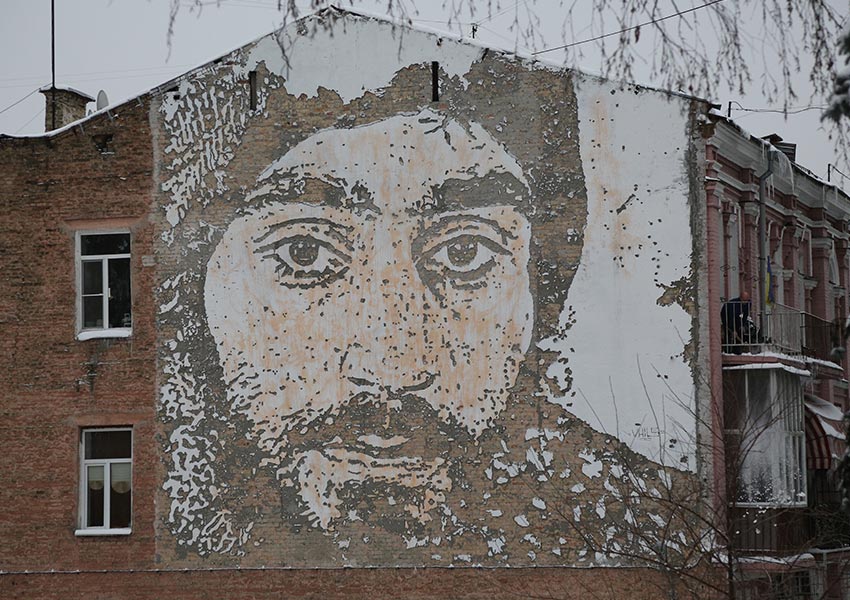
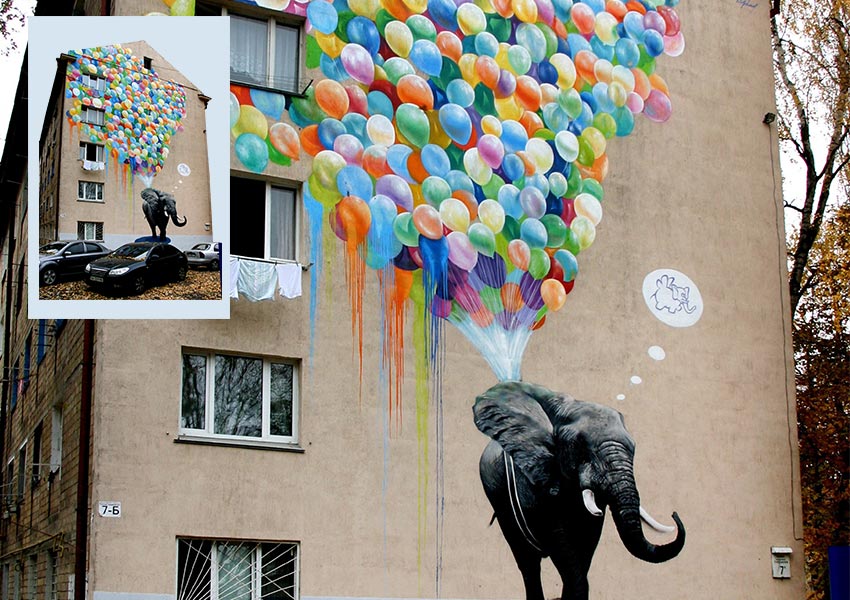
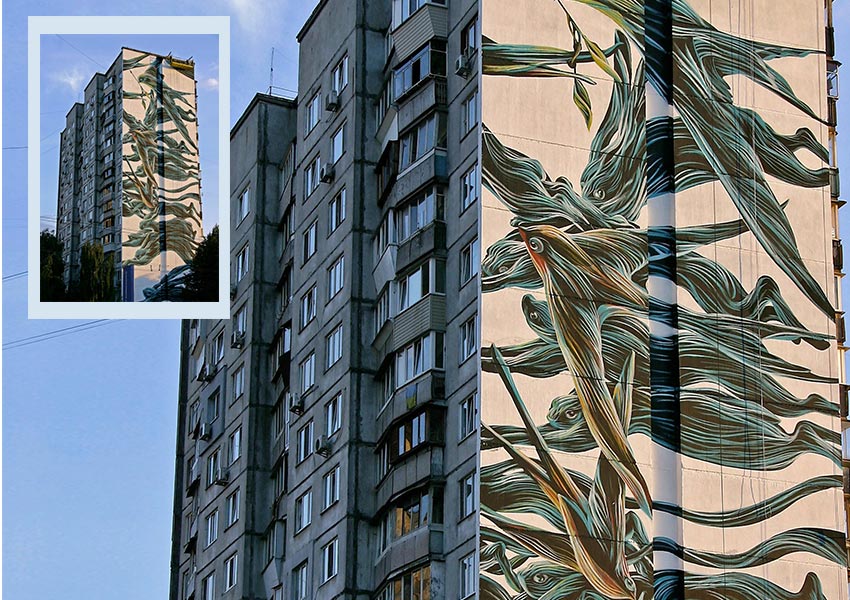
The word mural originates from the Latin word “murus”, meaning “wall”. Today, we can define murals as any piece of artwork painted or applied directly onto a wall, ceiling or other larger permanent surfaces, flat, concave or convex, to be precise. A favorite technique of many artists, including masters like Leonardo Da Vinci and Michelangelo Buonarroti, the art of muralism flourished during the 1920s, after the Mexican revolution. It is during Mexican Muralism that murals got a new dimension as a powerful visual communication tool, meant to promote the opinion of the people and to transmit social and political messages towards unity. Through the large paintings of “the great three”: Diego Rivera, José Clemente Orozco and David Alfaro Siqueiros, murals became the most important form of expression, often the subject of controversy and always a symbol of solidarity, freedom and hope. The Mexican muralism art inspired the creation of many other similar movements around the world, the biggest being the Chicano artmovement in the 1960s. Murals also represent one of the most important features of Northern Ireland, depicting the region’s past and present political and religious divisions. Since the 1970s, the country has seen almost 2,000 paintings dedicated to the fight against racism and environmentalism, among many other issues. Another famous place charged with political murals was the Berlin Wall, whose Western side saw many murals between its creation in 1961 and its destruction in 1989, including the works by artists Keith Haring and Thierry Noir.
Modern Times Murals – Tools of Social Emancipation
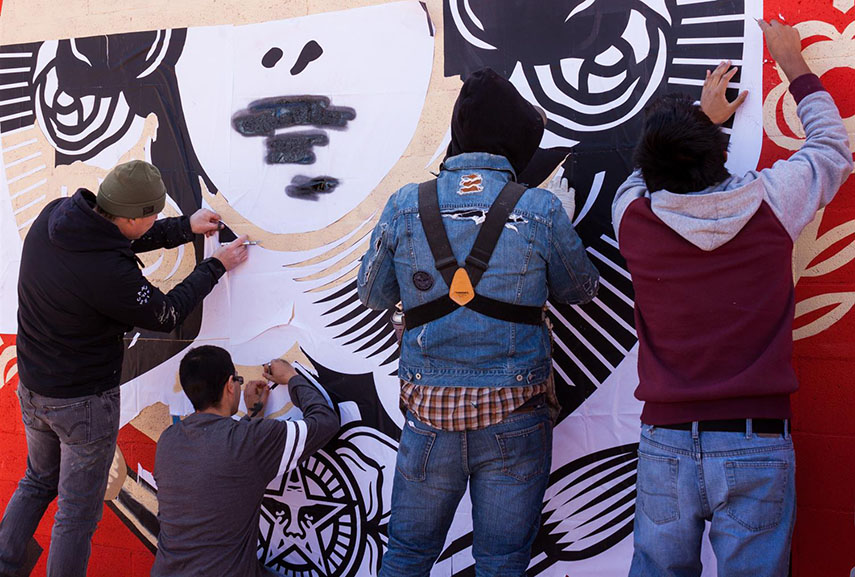
Staying true to their role of expressing religious and political beliefs within societies, murals represent a mighty tool of emancipation, freedom of expression and social activism and propaganda. They are considered an important aspect of socially engaging art and play a significant role in the relationship between art and politics. Today, in many places around the world and mostly in South America, mural art is used to speak in the name of and depict communities, nations and cultures. At the same time, murals represent an aesthetic element which helps them integrate into their environments and turns them into true cultural artifacts and even monumental works. Apart from their well-defined meanings, murals are also created with other purposes, such as advertising or simply for the sake of a beautiful image on a wall. With urban art becoming more mainstream, many big brands often collaborate with mural artists in creating promotional campaigns and designs, and many world-famous street art and graffiti artists successfully paint their murals everywhere, showing incredible skills and talent which formed their own highly distinctive artistic styles. With such remarkable legacies of artists like Keith Haring, Shepard Fairey, Os Gemeos, FAILE and many others, an army of younger artists came to produce truly extraordinary works, like the ones of Nychos, Blu, Seth Globepainter, Millo, Phlegm, Icy & Sot and many, many more, creating an amazing oeuvre themselves for the world to enjoy and relate to.
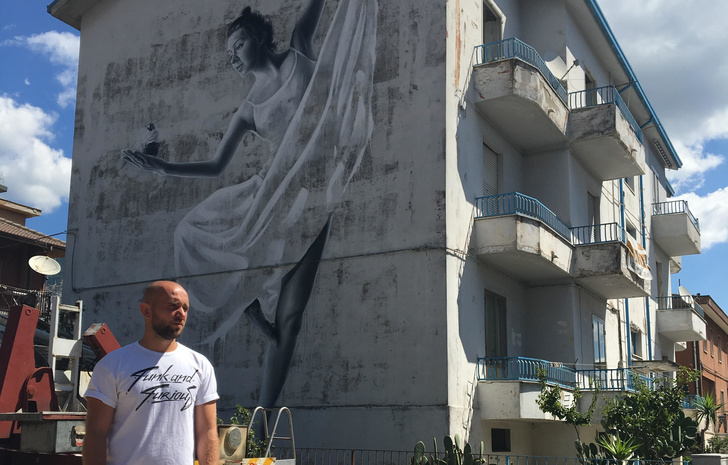
Украинский художник Саша Корбан создал мурал в итальянском городе Айрола на котором изображена грациозная танцовщица, безупречными движениями которой отныне могут любоваться жители городка Айрола, который находится близ Неаполя. Свою новую работу художник назвал «Гармония» (или «Равновесие»).
По словам автора, этой символической работой он хотел привлечь внимание к значению гармонии и равновесия во всем, и пожелать каждому главного – обрести внутреннюю гармонию в себе. Важно всегда и во всем держаться золотой середины, не бросаться из крайности в крайность, а делать то, что бы приносило ощущение счастья и наслаждаться жизнью!
Published: Oct 3, 2017
Latest Revision: Oct 3, 2017
Ourboox Unique Identifier: OB-371247
Copyright © 2017

 Skip to content