






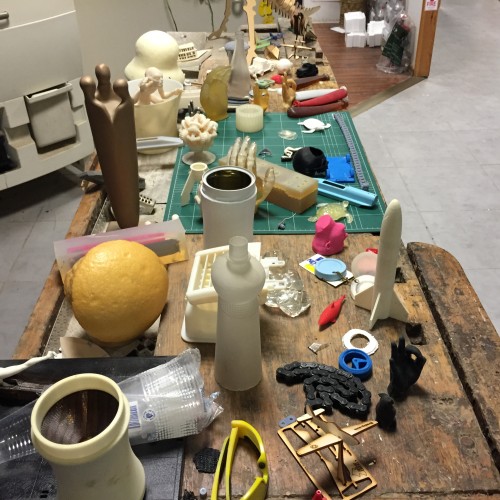

What is Design?

Copyright © 2015
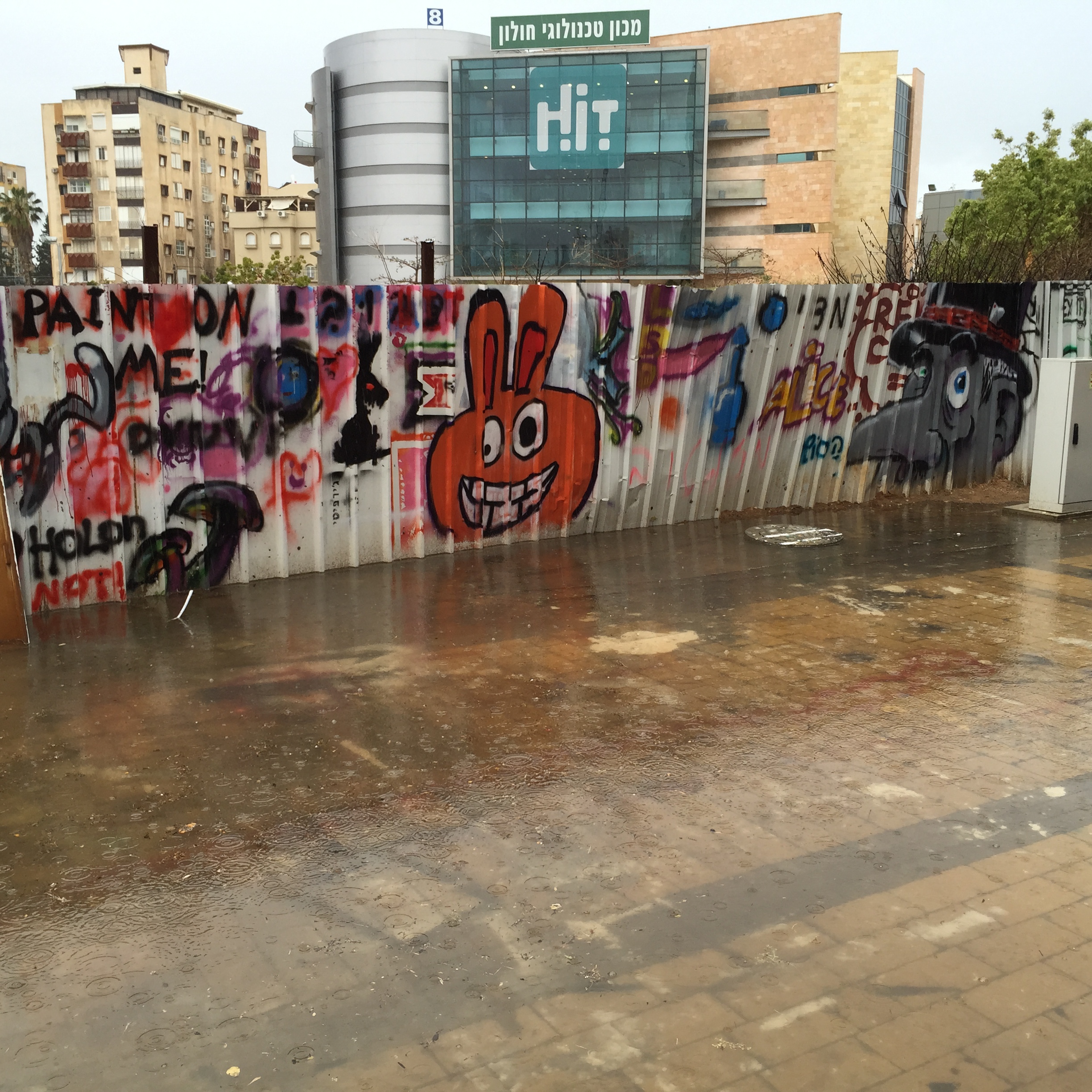
I have been teaching at the design faculty of HIT, a college in Israel for four years. Over the years, I asked many of the teachers there to define “design” for me. Each gave me a different definition. So did the internet.
Here is what my friends at Wikipedia had to say.
Design is the creation of a plan or convention for the construction of an object or a system (as in architectural blueprints, engineering drawings, business processes, circuit diagrams and sewing patterns).[1] Design has different connotations in different fields (see design disciplines below). In some cases the direct construction of an object (as inpottery, engineering, management, cowboy coding and graphic design) is also considered to be design.
and….
More formally design has been defined as follows.
(noun) a specification of an object, manifested by an agent, intended to accomplish goals, in a particular environment, using a set of primitive components, satisfying a set ofrequirements, subject to constraints;
(verb, transitive) to create a design, in an environment (where the designer operates)[2]
Another definition for design is a roadmap or a strategic approach for someone to achieve a unique expectation. It defines the specifications, plans, parameters, costs, activities, processes and how and what to do within legal, political, social, environmental, safety and economic constraints in achieving that objective.[3]
Here, a “specification” can be manifested as either a plan or a finished product, and “primitives” are the elements from which the design object is composed.
With such a broad denotation, there is no universal language or unifying institution for designers of all disciplines. This allows for many differing philosophies and approaches toward the subject (see Philosophies and studies of design, below).
…Oy vay.
So what is design? There are even more definitions. Here is one semi-definition suggested by Dr. Anat Moberman, a colleague at the college.
“Design” relies on its Italian’s origin term “Disegno”, which means – giving a form (in drawing, painting and sculpture) to an abstract “Idea” (the “Pensiero”).
It doesn’t work for me. What? Design is just giving a form to an idea? Any old form? No input on the idea itself? Nothing about new, different, amazing.
So I thought I would create my own. Here it is:
Design (n): Anything done in a different way, with a purpose in mind.

My definition makes a lot of sense, at least to me. First of all, it implies a human touch. An animal can do something differently. A robot can do something differently. But this is not design. There has to be a mind. And a purpose. A purposeful mind.
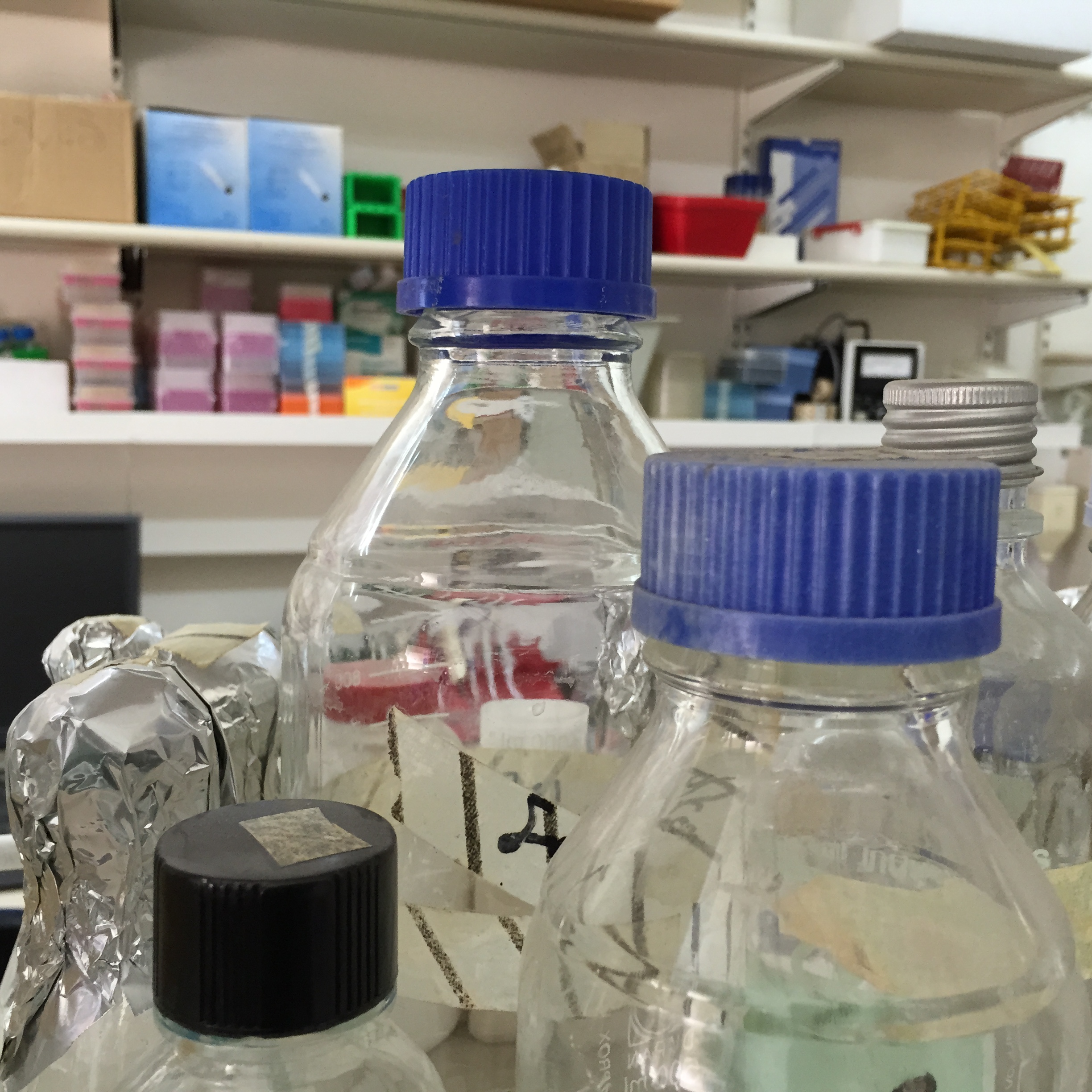
I was a scientist for many years, and perhaps still am, at least in my way of thinking. Scientists talk about ‘designing’ an experiment to test a hypothesis. Is this a malapropism? I think not. It is exactly what design is about. Any routine experiment is unlikely to teach me anything new. But a well designed experiment will lead me to support or refute a hypothesis.
But wait a minute!!! Scientists are not supposed to be designers. They studied science at university, not design. How can you call them designers? Easy as pi. I just did.
Actually, I believe that we are all designers. There are designers that design spaces and plan exhibits. But we all design the spaces that we live and work in, place a picture here, a vase there. There are designers that create objects, displays, patterns, statements and graphics. Five year-old children can do all of these things. Would you call them designers? I would.
So why go to all the trouble of studying design in high school and college? Professors would argue that design is a discipline, and that school is the best place to learn a discipline. In this day and age, however, you can learn a discipline in the comfort of your home. You can get a college degree in design online. Why leave the house?
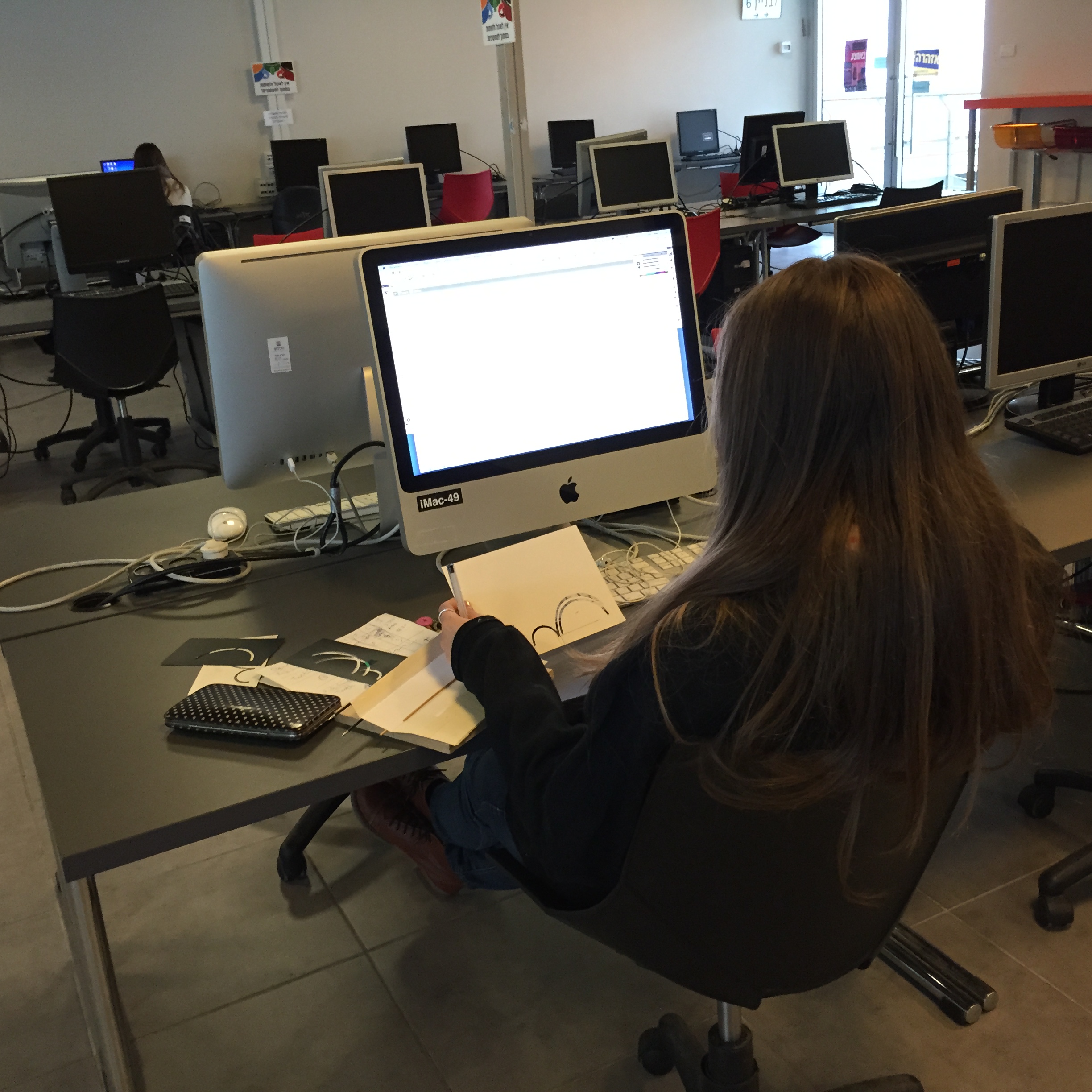
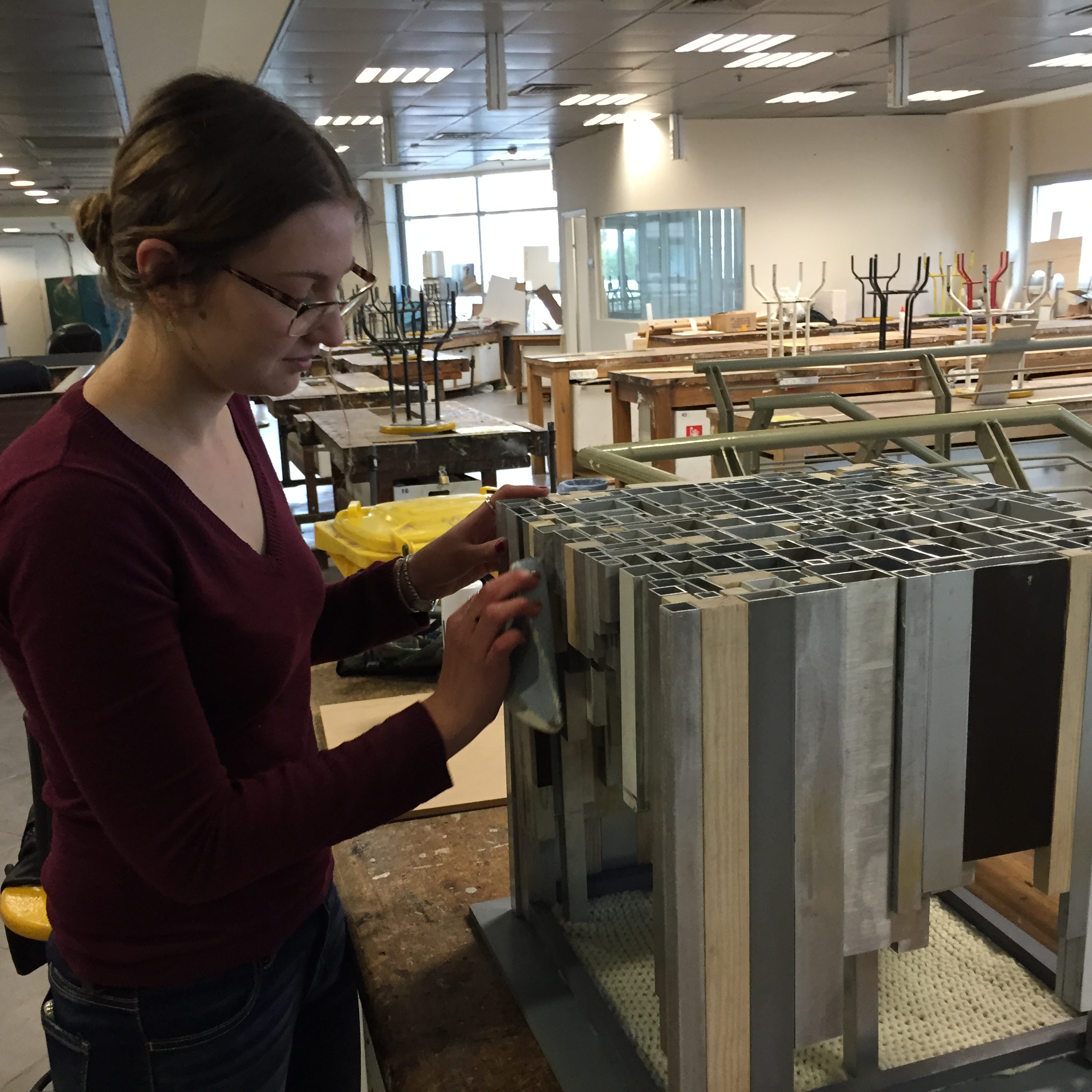
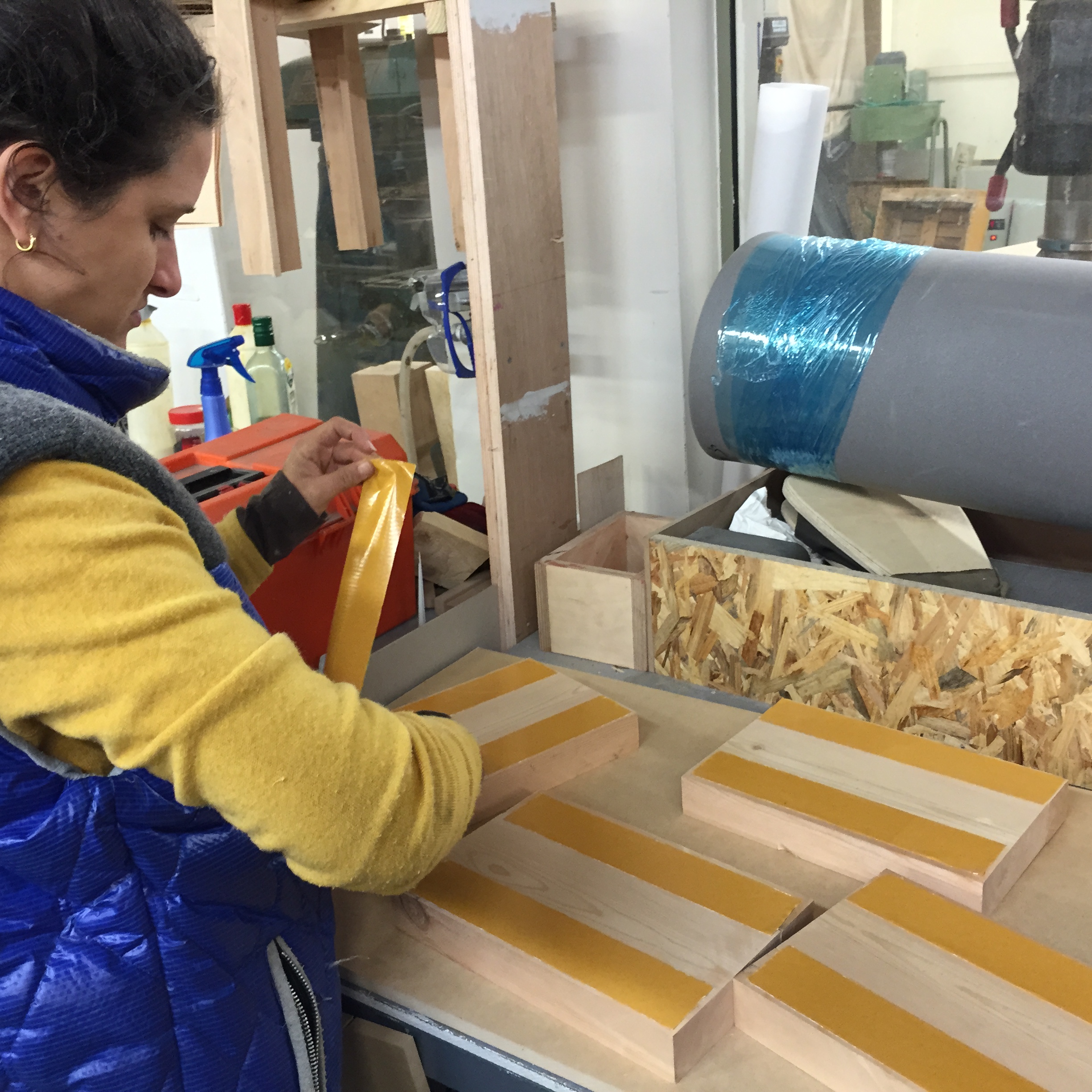
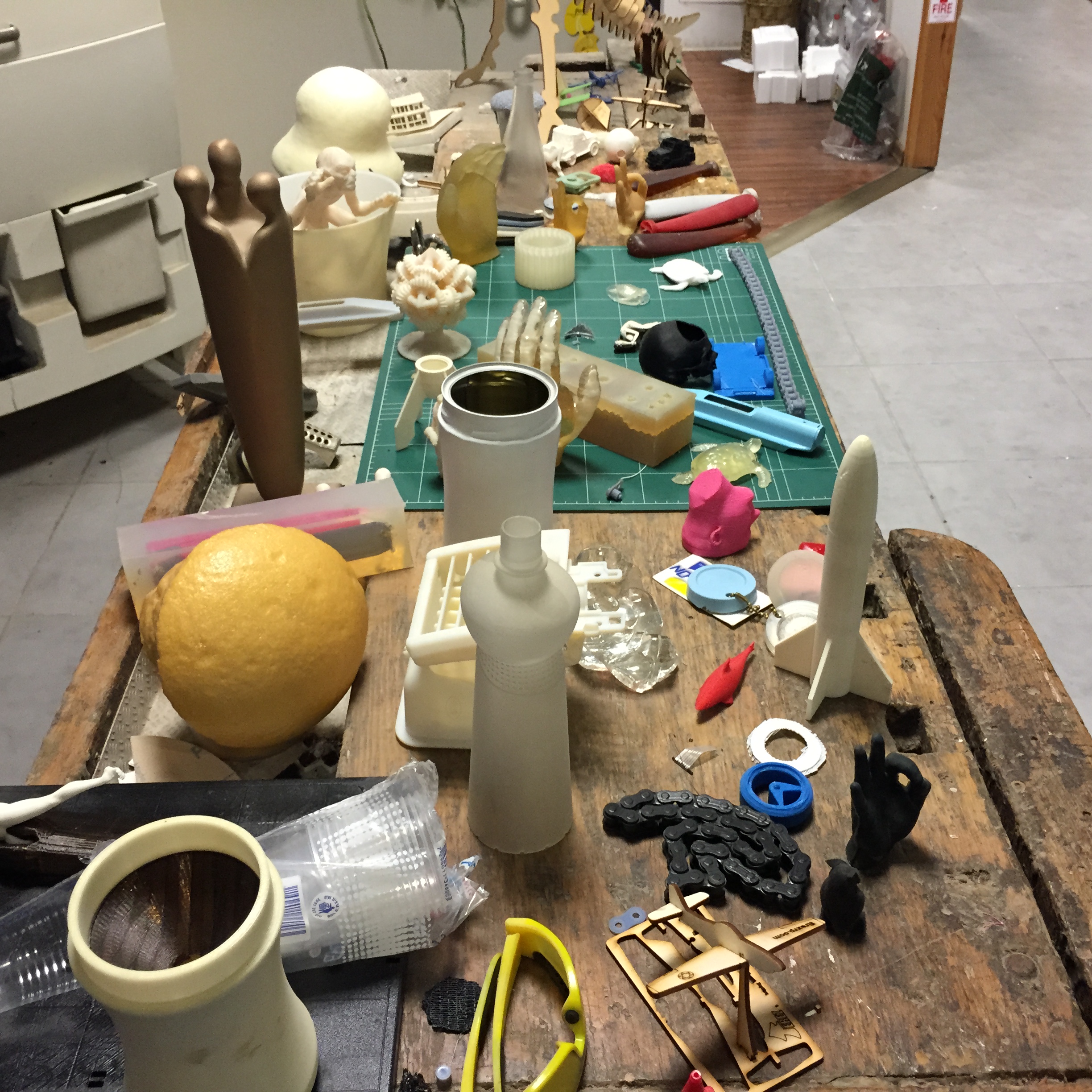
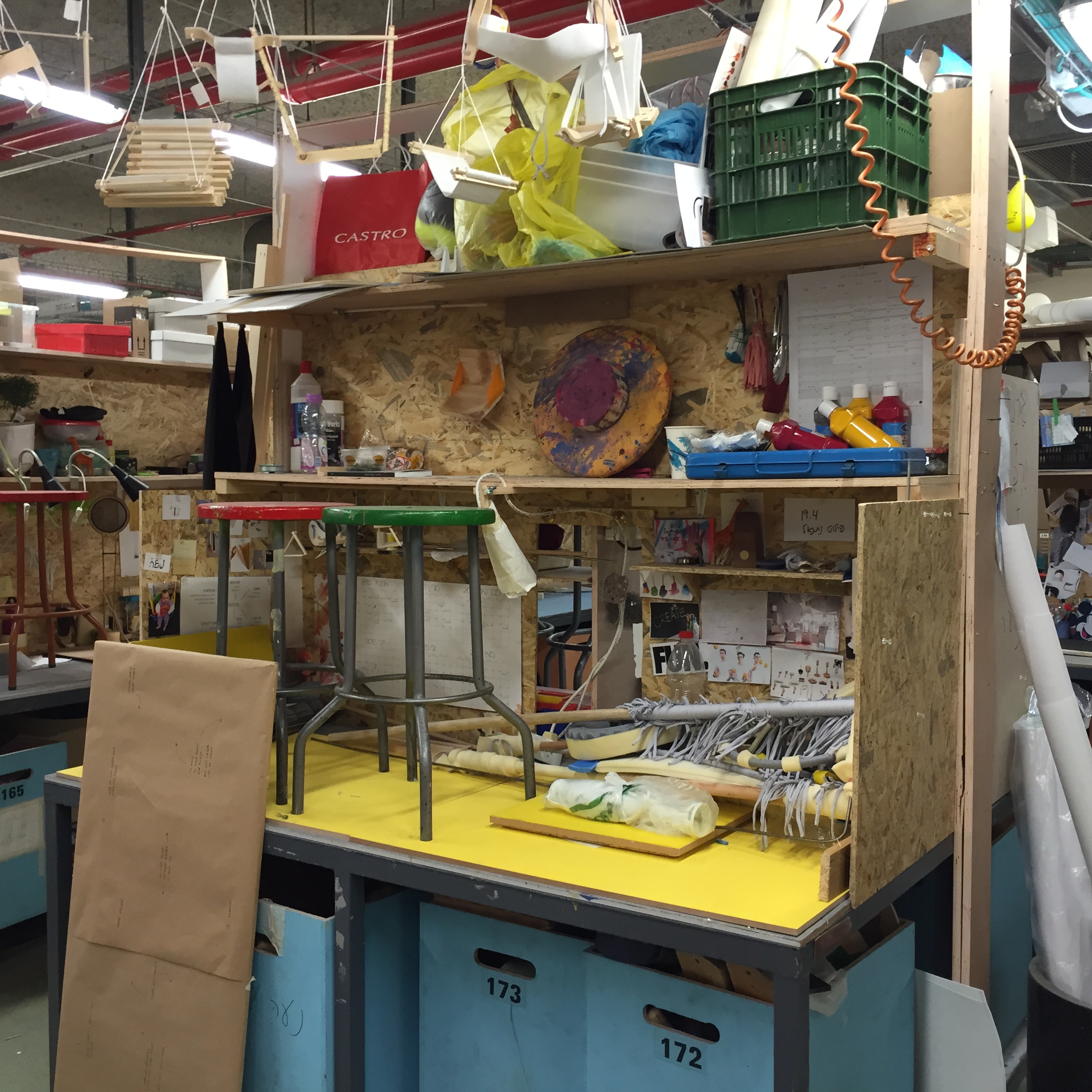
Well, for one thing, schools give you the ability to hone skills. In our faculty, we have workshops where you can learn to make things out of wood, metal, plastic, ceramics, leather and even fabrics. There are models for drawing classes. We have computers with expensive programs, advanced 2D and 3D printing facilities, and a well equipped modern library. Few homesteads can compete.
But without the purposeful mind, these skills are no more than crafts. Indeed some of our students become more adept at creating things that exist than dreaming up the ones that don’t. Furthermore, these skills and workshops get you into an intellectual trap – they define the limits of your creative framework. It’s as if to say, “These skills are your palette as a designer. Master them and you will be a professional.”
This of course makes some sense, but only to the extent that a designer is a craftsman. Perhaps this was tenable in the old days, but the best craftsmen these days are computers and robots. No square angle or circle that a human creates by hand can compare with the one a computer can generate. And how many designers can make a living producing one-offs of anything these days?
The trick to being a good modern designer of course, is not only by crafting something, but by envisioning it. This is where mindful purpose comes into play. And this, as educators, is our greatest challenge.
How does the purposeful mind create something different, something new, something useful, something cool, something of beauty? What do we need to know about the world? What should be on our ‘creative palette’?
Everything, actually. If you want to create a new object, you have to know all the materials at your disposal, all their properties, and all the ways they can combine with one another. Does this mean that designers need to study science? Absolutely.
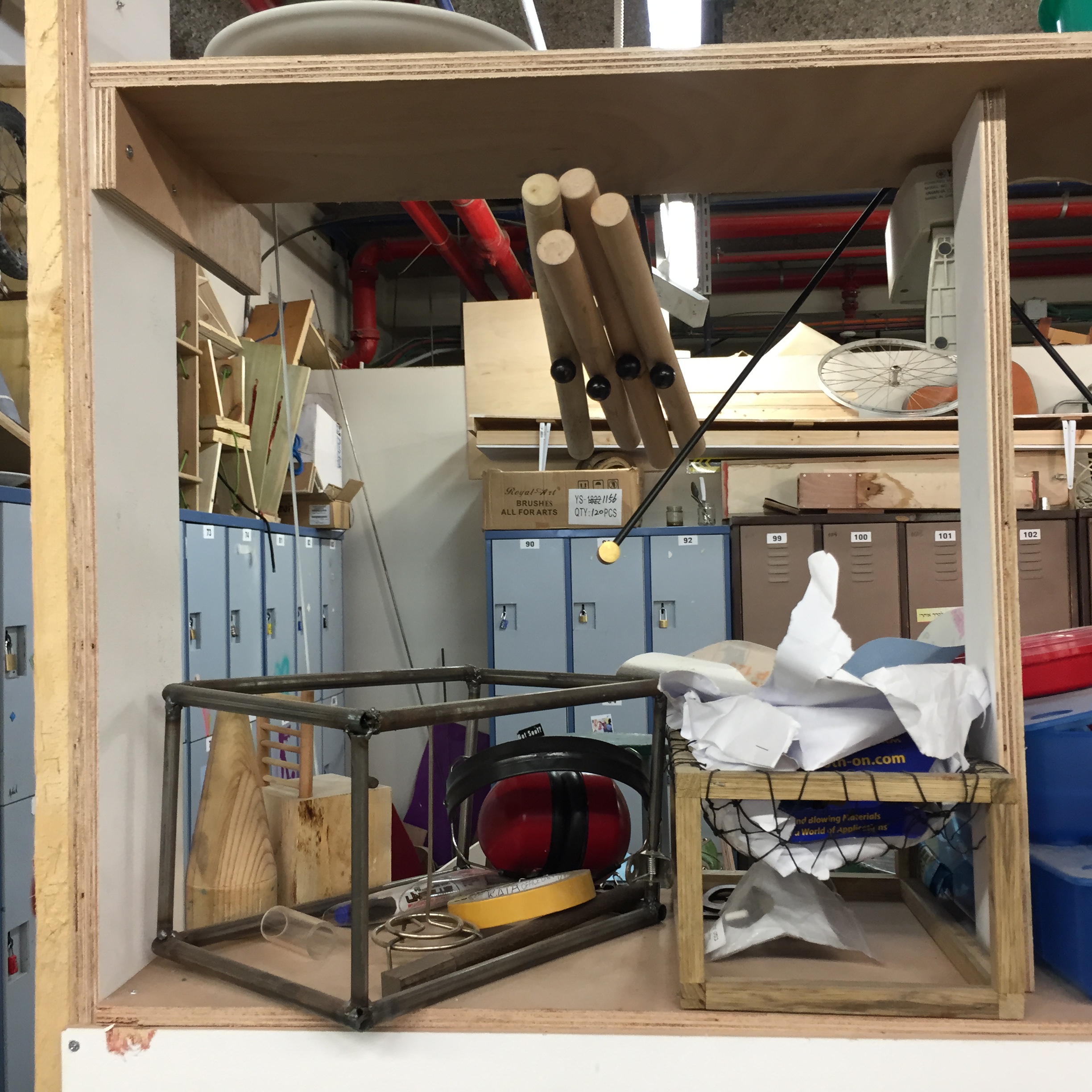
But science is not enough. What about everything else? Language (all of them), history (of all peoples), literature (all of it), culture, medicine, anthropology. The list goes on and on. Our knowledge of the world may be finite, but it is much more than any of us can master in a lifetime.
When students are given a project (something designers call a ‘brief’), they are instructed to do research. And so, armed with the brief, the students go out to do research on the project. They are taught that designers do not know everything that they need to know. They go out and learn what they think they should learn about the project. Modern designers often refer to this as an initial step in ‘design thinking’. To my mind the term “design thinking” is superfluous. Design cannot exist without thinking. Design is thinking, with purpose.
But how much research needs to be done on a brief? And in which direction? The trick to successful purposeful thinking is not just the acknowledgment that there is knowledge that we need to know. Rather, it is the acknowledgment that there is may be a need for knowledge that we do not know that we do not know. This implies that the more we learn about everything, the less likely we are to be caught off guard, and the more likely we are to come up with new associations and ideas.

There is another problem with the way that we teach design. We spend years giving students projects, briefs, hypotheses, and ideas to test and develop. They become accustomed to receiving ideas, questions, and hypotheses. They do not learn to come up with their own. And yet this is what design is actually about. Ideation. Question. Hypothesis. Envision. Creating your own brief.
In their final year, the students are required to come up with their own project. Some of the students are able to come up with great ideas. Most are not. Is this because we do not teach them to be original? Can it be taught? Perhaps the students with the great projects had this ability before they came to college? Perhaps most of the students had this ability when they entered “design schools” and we helped them lose it by forcing them to answer all the briefs that we insist on creating for them?
Design is a discipline, with a body of literature and research, and a history. Students of design should learn these subjects. But they can learn them at home. They can learn crafts at a design faculty, but this does not necessarily make them designers. They can learn to answer briefs, but to be a designer they must think differently with a purposeful mind. And our job, as educators, is to figure out how to facilitate the process.
Published: Apr 13, 2015
Latest Revision: Apr 13, 2015
Ourboox Unique Identifier: OB-43128
Copyright © 2015