






by emir enes metin
Copyright © 2018
Portugal

Copyright © 2018
Surface area: 92,270 km2. (With Azores and the Madeira Islands). Capital city: Lisbon. Language: Portuguese. The official language of the country is Portuguese, which is similar to Spanish, but includes some notable differences, such as syntax, word meaning and pronunciation, including grammar, Latin non-Latin Celtic (through Latin pre-German visions) and Arabic (syntax). Maghrip on). This language is not only spoken in Portugal, it is spoken in Macao, in some parts of Galicia (Spain), in Brazil, in the Yeşilburun Islands and in the old colonies of Portugal (Angola and Mozambique, etc.). Religion: Christian (95% Catholic, a few Protestants), Muslim, Jewish. According to the Constitution, the Portuguese society is secular and the state of religion is separated from the state. Citizens are free in their religious beliefs. However, the vast majority of the population is Catholic (90%), and the Catholic Church, a long history, has a strong influence over society. The Archbishop of Lisbon is directly linked to the Papal. There is a small Protestant, Muslim and Jewish minority in the country.
Currency: Euro Major cities: Porto, Villa Nova de Gaia, Amadora, Cascais, Almada, Matosinhos, Coimbria, Braga, Funchal (Madeira Islands).

Southwest European province. In the western part of the Iberian Peninsula; The north and west of Spain, the south and west of the Atlantic Ocean. The country, which covers a little more than 1/6 of the Iberian Peninsula and has an 805 km coastline from the Atlantic Ocean, is geographically separate from Europe. In addition to the autonomous Azores and Madeira Archipelago in the Atlantic Ocean, the small Macau (21 km2) on the southeastern coast of China is the main overseas country of Portugal. Surface Shapes: The country lands are located on the western skirts of Meseta, which covers the inner part of the Iberian
Peninsula, which is 2,000 m above sea level. The coastal plains, which are narrowed to the north, expand to the south. The Tejo (Tajo) River flows in the northeast-southwest direction divides the country into two distinct regions: the mountainous region (Esterela, merged with the flatlands), which is fragmented by numerous valleys, not exceeding five years). The main rivers are Minho, Douro, Tejo, Zezere, Guadiana originating from Spain, poured through the Portuguese soil into the Atlantic Ocean. There are sea ears (lagoons) in some parts of the country where the coastline is flat and sandy. The highest point of the country is the peak of the same name on the Esterela Mountains (1,992 m).
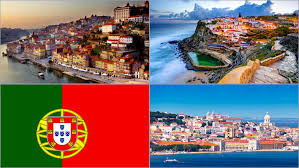
Climate and Vegetation: In Portugal, where the Mediterranean climate is dominant, winters are warm and rainy, summers are hot and arid. Although there is no significant difference in climate in the regions, the south is generally warmer and more resilient than the north. On the coast where the sea effect is observed, the temperature is around 18 ° C in July and 26 ° C in Meseta. The January temperature is 11 ° C in the southwest and 8.2-9 ° C in the Northern Meseta. The average annual rainfall is 1,100 mm on the north coast, 400 mm on the south, and 1,800-1,900 mm on the mountains.
The northern regions are covered with dense pine, chestnut and oak forests. In mushroom fires in the middle regions; almonds, fig trees and cacti are found in the south. Olive groves are scattered almost all over the country. Leaf-bearing trees on the Atlantic Ocean coast are more sympathetic to the Mediterranean’s evergreen vegetation (maquis). The most common mammals; boar, wolf, lynx and moose. Some of the diverse bird species are migratory birds living in Africa and Europe.
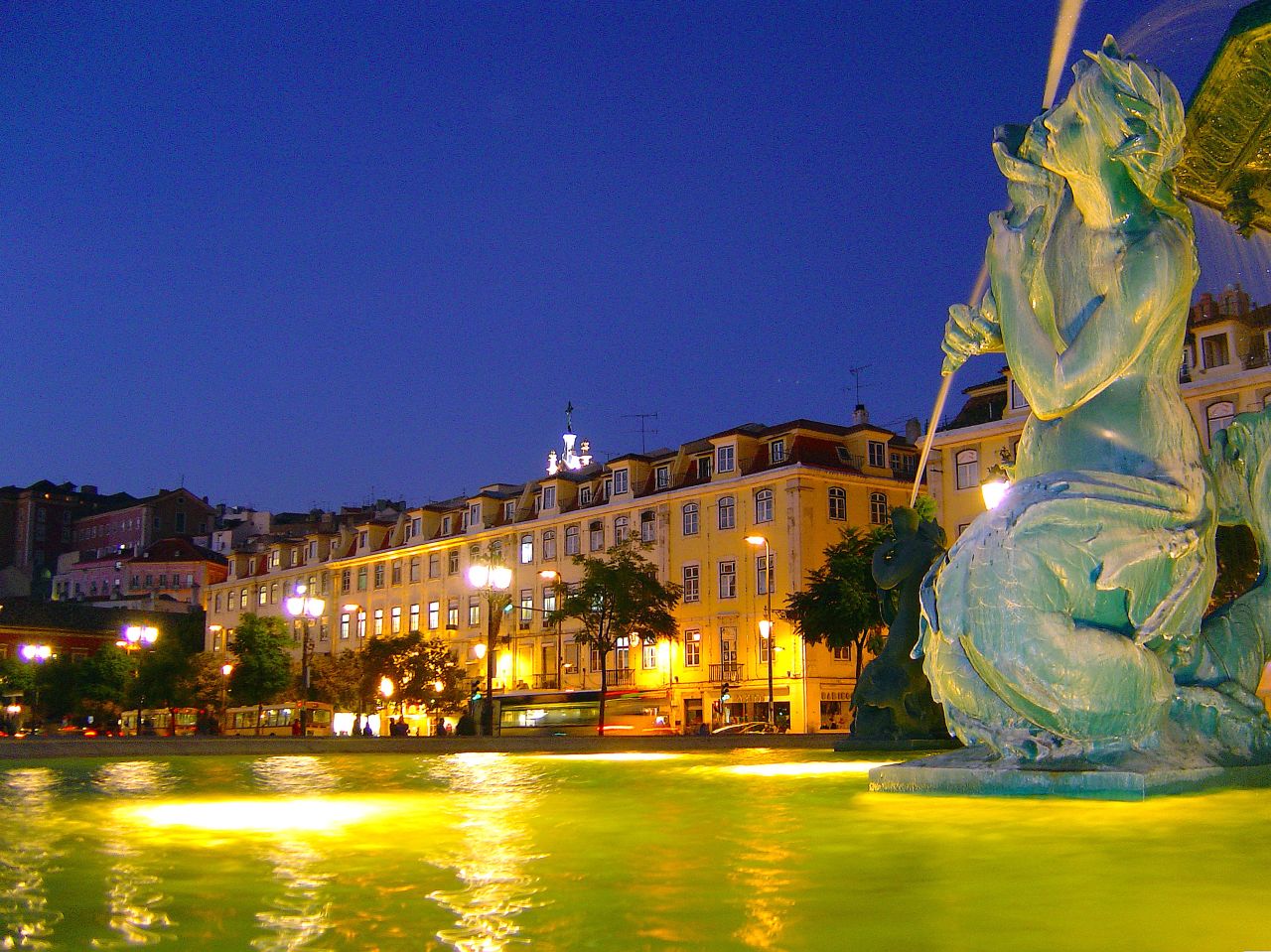
Community Structure: While the community structure is generally homogeneous, it exhibits some significant physical differences. This is very natural for a country that has been inundated by various tribes at different times, such as the Celts, Phoenicians, Romans, Alamans, Succubians, Visigoths and Maghriplers. All mediterranean countries are medium-sized, brown eyes and dark-colored hair. As you go northeast, you may come across taller, gray or blue-eyed types.
Economy: Agriculture: Generally, productivity in agriculture and livestock production is low and marketing opportunities are not developed. The farms in the north are small and divided between the families. The latifundas in the south (large farms) perform 3/4 of the production.
Wheat, corn, rye, rice, oats, dried tofu, potatoes, various fruits and vegetables. 8% of the arable land is made up of olive trees and 6% (the world’s 6th largest wine producer) are vineyards. Cereal and vegetable production is in the north, citrus and olive production is in the south. The vineyards are the inner regions behind Lisbon. Mushroom production is also an important source of income.
Livestock: The total number of animals (cattle, sheep, goats, horses, donkeys) is 10.5 million. Fish hunting, which constitutes the most important sector of animal husbandry, is a great source of foreign exchange. Sardines and cod are the most hunted species.
Published: Mar 8, 2018
Latest Revision: Mar 8, 2018
Ourboox Unique Identifier: OB-443962
Copyright © 2018

 Skip to content