






by Hüseyin Kılıç
Copyright © 2018
**TURKEY**

Copyright © 2018
Folk games we won our war with Turkey and the little things I investigated.
Let’s start with my folk dances first.
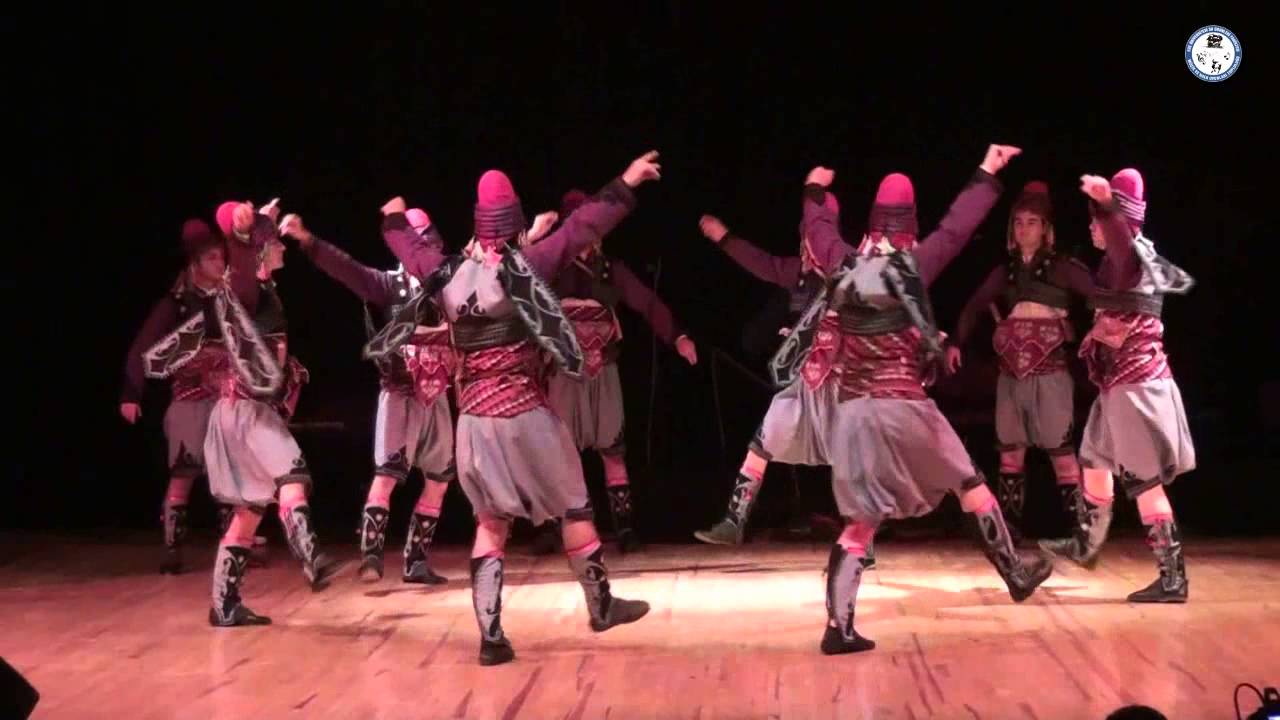
Zeybek is the first game in the Aegean. It is the one that best describes the Turkish peasantry. It is a game that symbolizes the standing of the enemy in the face of injustice. It is a memorial of the heroic legend that the Aegean peasants in the War of Independence show together with the Kuva-y Milliye movement. The game that Atatürk likes to play also is one of the traditional folk dances that are now being taught by public education centers. The movements made in Zeybek were actually inspired by the movements of the hawk and the eagle. The arms are open to the side, pulled up from under the armpit, a sharp gaze towards the sky as you crawl around, like an eagle look.
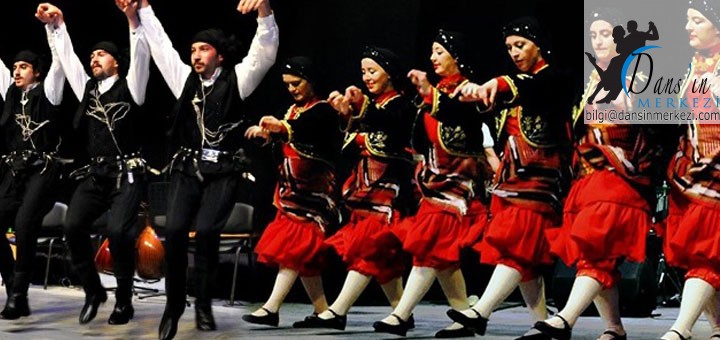
Horon is in the Black Sea region in terms of folk dances. In this charming town of Black Sea, dances are performed by women and men separately. Moving, tough figures in male dances are the same in female dances, but they are softer. When the Turks settled in the Eastern Black Sea region, they encountered a piece of nature that they were not strangers to. The area is very rugged, steep, steep and mountainous. On the other hand, there is a constantly wavy and turbulent sea surrounding the region in the north direction from top to bottom. This is also the typical folklore and folk dances typical of the people fighting on a nature that includes these ruthless features. The original play of the games in the Eastern Black Sea region is kemençedir. However, horons are played with cura, drums and zurna in outdoor places and village squares. Some of the horons played by the players in a series and discipline cling to each other are türkülü. Horonlar is played outdoors, 20-30 people hanging in dungeons. The kemençi in the circle controls the horon at the same time. Horon is usually drum, zurna, kemençe, or in the case of a little kaval accompanied by people moving in the right arm by moving to the right, following the rhythm of instrumental instruments, loose knees and collects a collection of vibrant and vibrant movements come to the end. Talk “Horon kick”. As it is played with the command, it is played while the command is attached to the girls ‘ladies’ horns. The horons played in towns and cities are like a potpourri, a whole which is played without a break, played together.
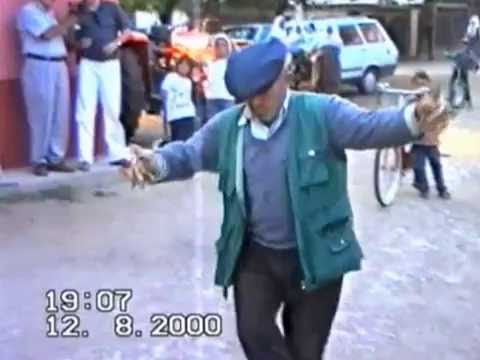
Especially in Konya, Antalya and Mersin, the folk dance played by sliding two wooden spikes between the fingers; squeak It is played by many actors, usually in the form of circles, in the accompaniment of darbuka, clarinet, violin, reptile, reed and hand drumming. Bursa, Ankara, Eskisehir, Bilecik, Bolu also spread to the ills.
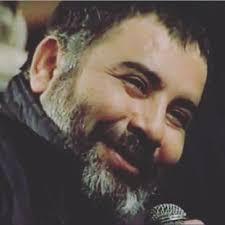
Ahmet Kaya came to the world on October 28, 1957 as the fifth child of a Kurdish father and a Turkish mother of Erzurum who had migrated from Adıyaman to Malatya for work in Malatya. His father is a textile worker at the Sumerbank factory. At the age of six, his father brings him a connection. He studied primary school in Malatya. From school he spent the rest of the day and at summer holidays, working on the recorder or in the minibus of his acquaintances. When he was nine years old, he found himself on stage at the Labor Day, organized by the workers of his father’s factory. His father, who retired from the fabrics factories, emigrates to Istanbul for a better life. They settled in Kocamustafapaşa in Istanbul in 1972. Ahmet Kaya left the school because of his family’s livelihood, and worked in various unskilled jobs such as peddling and apprenticeship. He decides to finish Liseyi from the outside and finishes then enters the Violin section of the Education Institute. A 16-year-old banned poster was jailed. Later he and several friends joined the work of the Association of People’s Unions. During these activities, he continued to play baglama at various events. He does not follow any metods or teachings because he has learned it on his own.
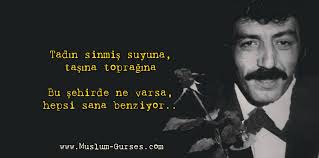
His real name is Muslim Akbas. Müslüm Gürse was born on 7 May 1953 in Fıstıközü village of Halfeti district of Şanlıurfa. His father is Mehmet Akbas, his mother is Emine Akbas. Gürses’ father, who had two brothers in the names of Zeyno and Ahmet, was dealing with farming and tied up. The first years of childhood passed in Şanlıurfa. At the age of 3, he moved to Adana with his family for economic reasons. Here, the tailor made apprenticeship and shoemaking. After graduating from primary school, Gürses did not continue his education life; He participated in the competition held in Adana Family Tea Garden when he was 14 years old. In 1968 he came to Istanbul to make an album. In this period Emmioğlu / Ovada Taşa Basma was named as a big record by 300 thousand sales. Gürses, who became known all day long, had a big accident during his first tour of Anatolia during his first years of fame and his forehead bone was broken. Gürses, who left the post with an album like “I am sorry”, “I am sorry”, “” I’m sorry “”, “” I am not a human “, was one of the most popular names in arabesque kind. For the first time in 1979, he went to the camera with the film “Rebellion”. In 1985, he married to the revered Nur, a cinematographer, whom he had never missed in his childhood. In 2006, Gürses took his place in the music market with his collaborative project Murathan Mungan ” Love is a coincidence. ” In November of 2010, “Lie World” album was released. On November 15, 2012, Muslim Gurses, who had stent in his heart, suffered from problems on his liver and kidneys. Approximately 4 months Memorial Influenza Hospital Intensive Care Unit, depending on the respiratory device Muslum Gürses died on March 3, 2013 at the age of 60 years.
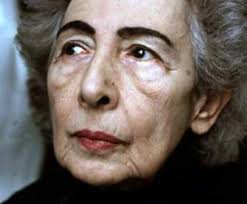
The value of art in our country is unfortunately not known, except for a few branches. For example, we do not know who made art works that are located in many public places. However, they deserve to be known, recognized, applauded even if they are living now. Füreya Koral, one of the names we are talking about, is a Republican woman. Contemporary, a person who cuts off what he has done, who knows how to walk behind his talents and who has tried to do something for the benefit of society, and when he has done it, he has signed the work on a level that he can hear his name all over the world. By the way, if we tell you that you’ve seen your works many times?
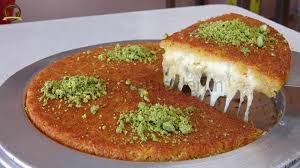
Künef is an important part of Middle Eastern culture in terms of historical development. Looking backwards, it is possible for you to come across the name of this dessert for the first time in some sources written in the 10th century. The common point in the result of the research is that this sweet has spread to the world from the Palestinian territories. Nablus city, which is still in the territory of this country today, is regarded as the exit point of the küneffen. How to find the answer to the question Künef’e need to talk about the name. When we approach the subject ethologically, we can see the terms Kenafah or Künafah. The materials used in the making of this dessert, which has become a kunefe when passing through our slice, maintains its original characteristics. The Propagation of Künefen to the World When the sources are examined, it can be seen that küneffen is prepared similarly in various countries. Spreading out of Palestine into the world, this sweet has also penetrated Anatolia over time through Syria. The most important reason for being in a structure identified with Hatay province today is the widespread presence of Arabian origin in the population living in the region. Knee-like desserts are also made around Greece. These sweets, which are observed in the same minval as baking ratios, vary according to the preparation of kadayıf and the cheese put into it.

The birth of the meatball, which is one of the important dishes of the Middle East region, is based on the 1700’s. Domestic meatballs born on the Arabian soil are a delicious meal made with bulgur, onion, veal sheep or goat meat. While there are two kinds of varieties known in Turkey, along with potato dumplings stuffed according to different recipes in the Middle East it is also available. Migrant meatballs that I think are suitable for fast food cultures have moved to Lebanon, Jordan, Egypt, Israel, Palestine, as well as immigrants from South America, and have found their place in the food cultures of some Latin American countries.
Published: Mar 9, 2018
Latest Revision: Mar 9, 2018
Ourboox Unique Identifier: OB-444386
Copyright © 2018

 Skip to content