







Sixties Jazz: Throgh the Tenor Saxophone

Copyright © 2019
Before we dive in, let’s take a quick review of what happned up until 1960:
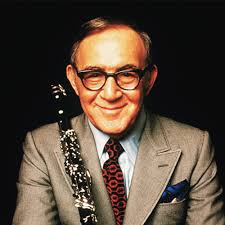
In the 30’s, Swing music was the dominant genre yet – Every American knew Benny Goodman, Duke Ellington and will soon come to know Count Basie. The Tenormen of the era were Coleman Hawkins, Lester Young (playing with the early Basie Orchestra). These was the early age of the Big Band: an ensable which consists of Saxophones, Trombones, Trumpets and a Rhythem Section (piano, bass, drums and sometimes guitars).
https://www.youtube.com/watch?v=LnmPBprMSGo&list=PLF7z6sStd01k92ledPJTkCPBNWp1Jv1Q8&index=2
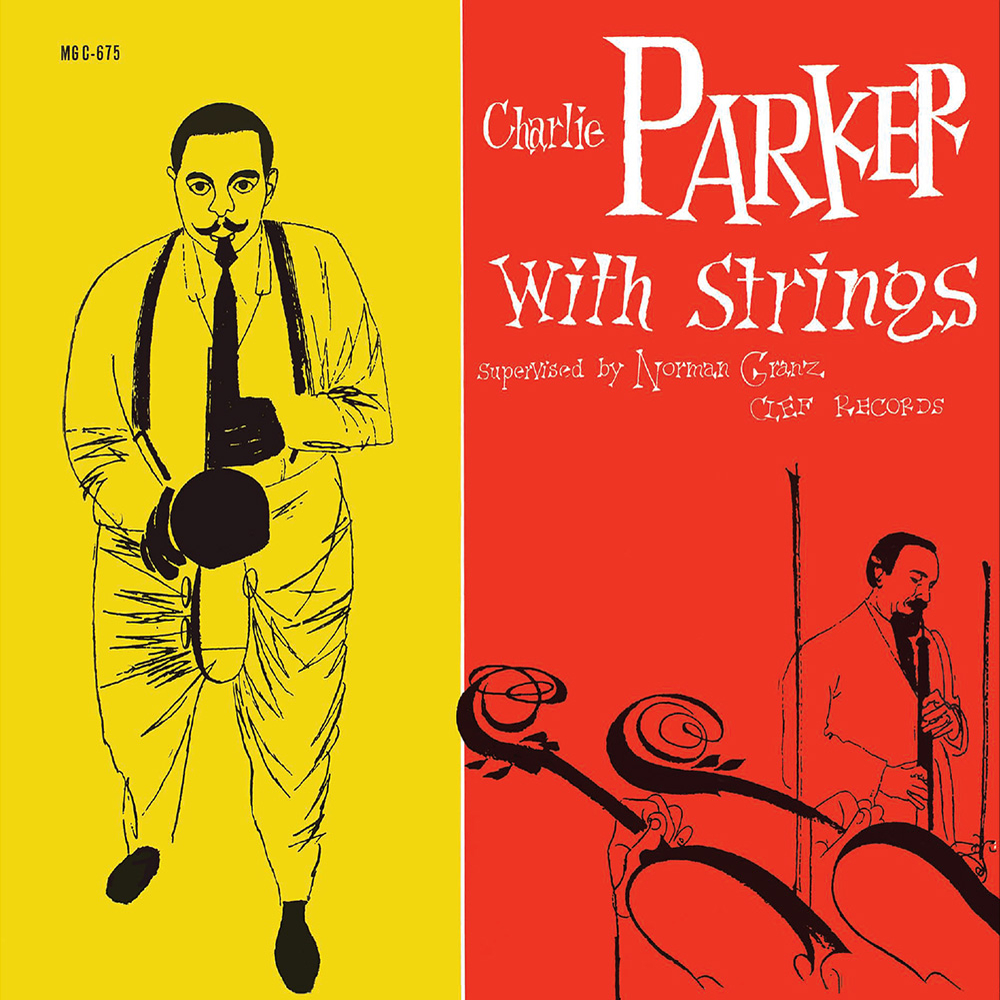
Moving on twords the 40’s: Swing music is starting to bore a very talented man: Charlie Parker. Still to be considered the best and fastest Alto Saxophone Players. The way he played intimidated other Alto players at the time: “To the best of my knowledge, Sonny Rollins, Sonny Stitt, myself, Jimmy Heath, John Coltrane, we called ourselves the ‘Five Brothers’, you know, the five black brothers. We all started playing alto, but Charlie Parker was such a monster that we all gave up and switched to tenor” – Hank Mobley. Parker and trumpeter Dizzy Gillespie were the founders of Bebop – a new genre of jazz where the improvisation, creativity, speed, prescision and individuality were what defines you as a musician.
An example for Bebop:
https://www.youtube.com/watch?v=mmGhxL_KwBY
And of course, Parker with strings:
https://www.youtube.com/watch?v=DmRkZeGFONg
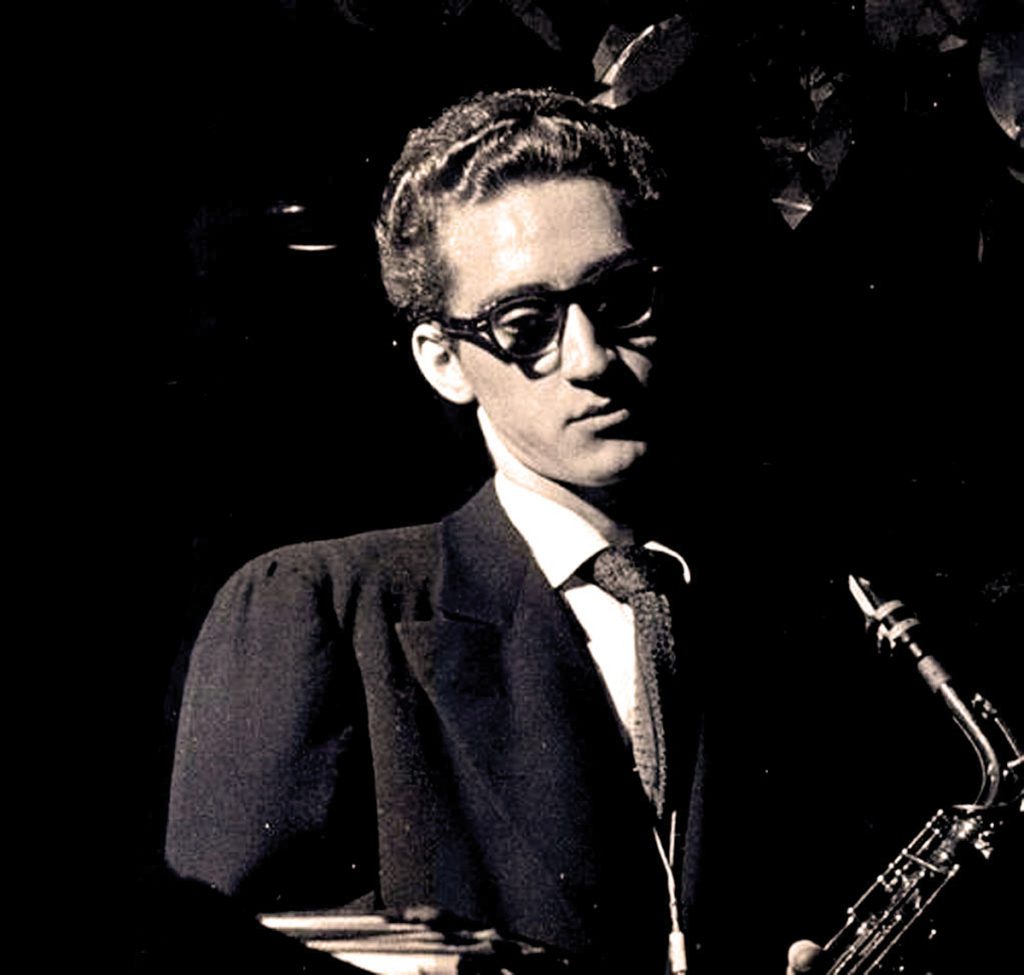
Now were getting close – the fifties. Be-bop is split into two main factions – Hard Bop and Cool Jazz. These are two sides of the same coin: the speed, complexity and new harmonies were pushed to the limit by Saxmen such as Johnny Griffin, Hank Mobley and John Coltrane. On the other side Cool Jazz was more layed back and put more emphasis on the “space” between the notes. The Cool Jazz movement was led by Stan Getz, Lee Konitz, Gerry Mulligun and many more.
Hard Bop
https://www.youtube.com/watch?v=_9Qaxx6vxyo
Cool Jazz
We have finally arrived at the sixties!
So let’s sit back and take a trip through the sixties with 10 decade defining albums (in my opinion) that are prime examples of the evolution Jazz went throgh.
John Coltrane, one of the pioneers of Hard Bop finds a new way to harmonise a song. Over the old harmonies he makes little movements which later will be named “Coltrane Changes”. After a long period of time tinkering with this new concept he records “Giant Steps”.
https://www.youtube.com/watch?v=30FTr6G53VU
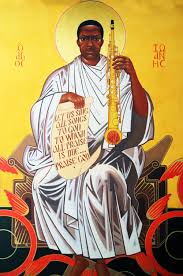
In 1961 a new form of Jazz came to be: Free Jazz. This is an extention of Hard Bop and pushing it twords a new boundry: the abstract. All that matters is the expression of the soul in the moment – harmonies and rythem were regarded as laws that inhibit the raw emotion. One of the pillars of Free jazz is (mainly) Alto Saxophonist Ornette Coleman whose 1961 record Free Jazz was just published.
https://www.youtube.com/watch?v=xbZIiom9rDA&t=142s
https://www.youtube.com/watch?v=M4sEcIHG0Yc
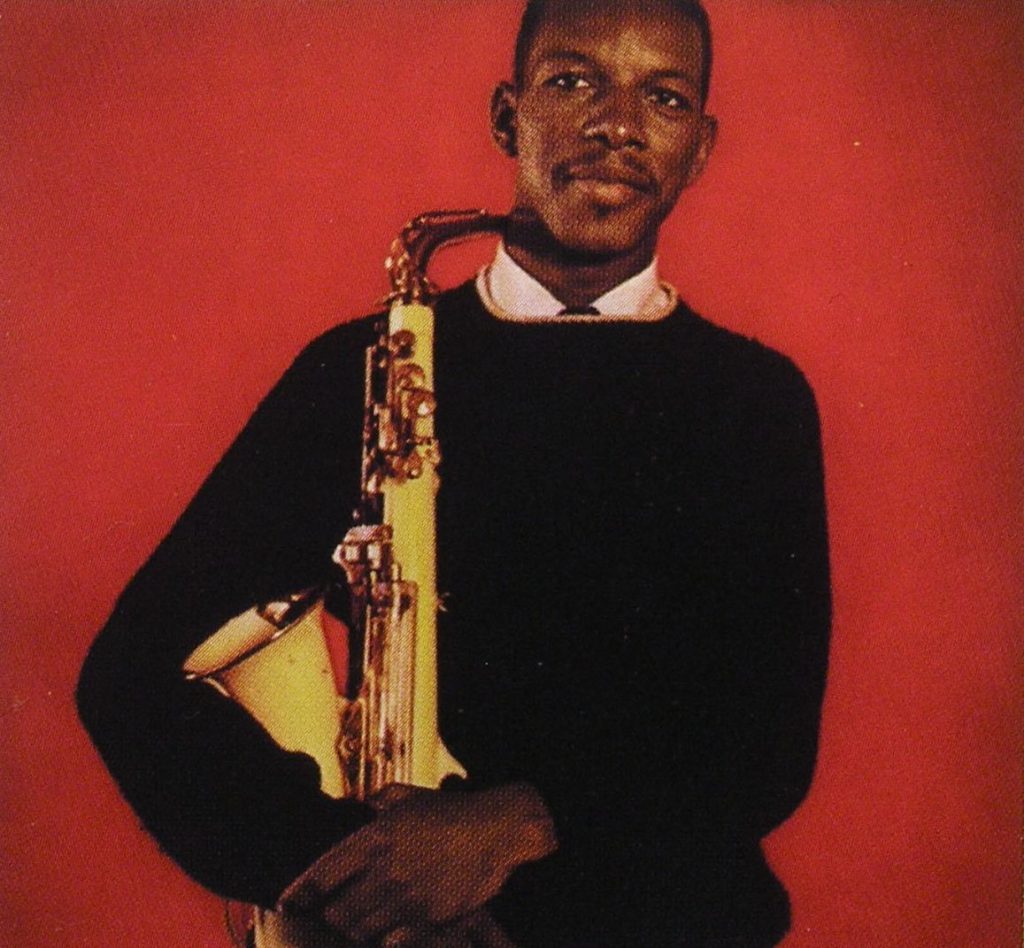
In the sixties we can see some foreign influenses on Jazz – Bossa Nova, African, Cuban and Latin music has merged with Jazz. One of those cases is Stan Getz.In 1962 This incredible Tenorman recorded Jazz Samba featuring a lot of the Latin Jazz standards we all know and love.
https://www.youtube.com/watch?v=fn9QWJ9FhaY
Moreover, these were times of experimentation such is this recording from Hard Bop drummer Art blakey
https://www.youtube.com/watch?v=tep3zOnZZc8&list=PLyHn3f7-9IUKa7Q8_Ja8H-WyX0brISR-U&index=3
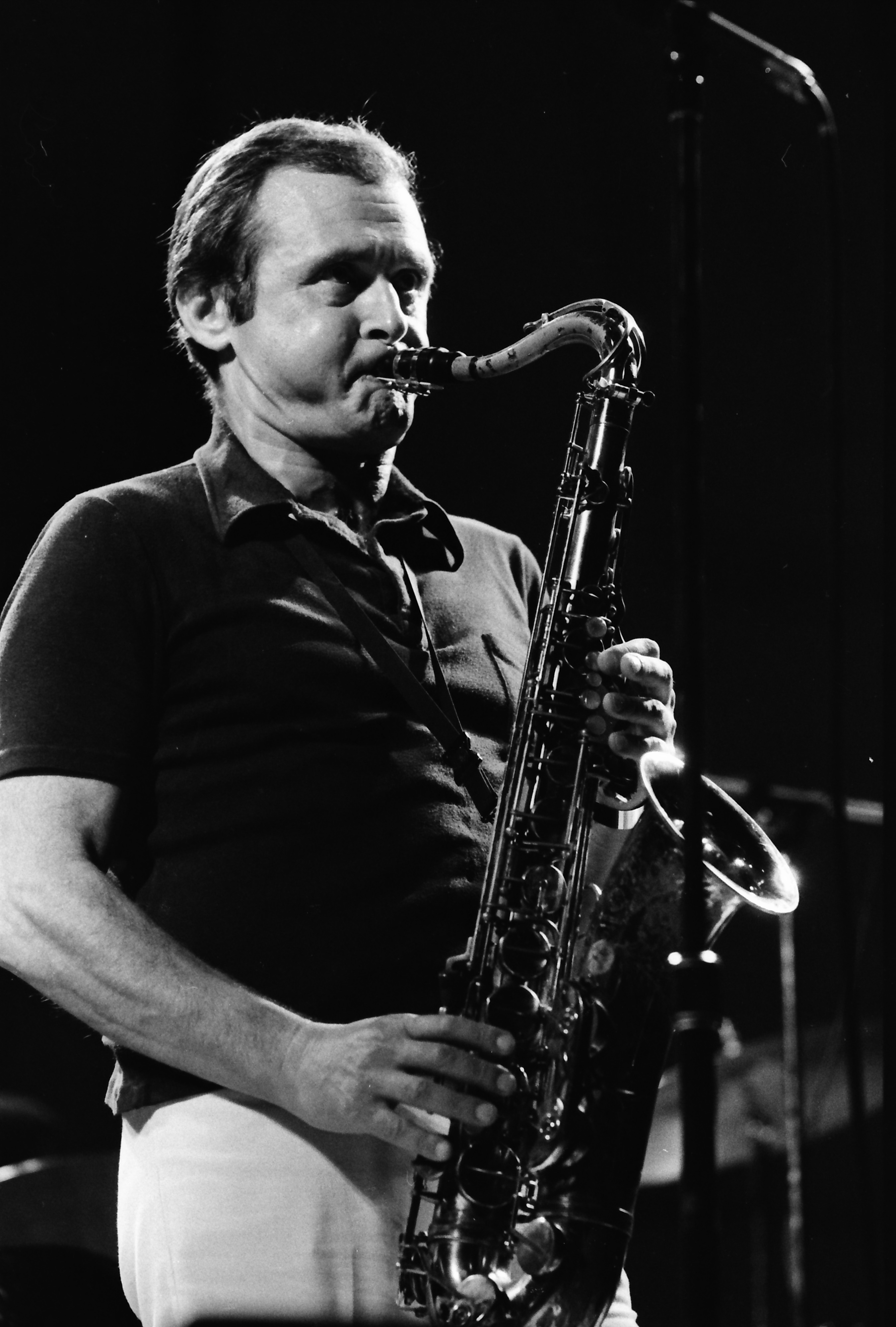
One of the icons of Jazz is Blue note records. This label is ressponsible for most Jazz recordings and was the shelter of Jazz musicians. They were granted freedom in the name of the art itself. Blue Note records was founded by Alfred Lion and later joined forces with Francis Wolff who served as the photographer of most of the records covers. They had their own way of mixing and mastering, thus creating the “Blue Note sound”. In 1963 they released their greatest hit yet – The Sidewinder by trumpeter Lee Morgan:
https://www.youtube.com/watch?v=qJi03NqXfk8
And the have just enlisted a new Tenorman to their ranks: Joe Henderson with his debut album Page One:
https://www.youtube.com/watch?v=UBzD4_9Kl2Y&list=PLUJ7V33M1wR0it7Ko4hNWOj6Wb6hDVRTB&index=1
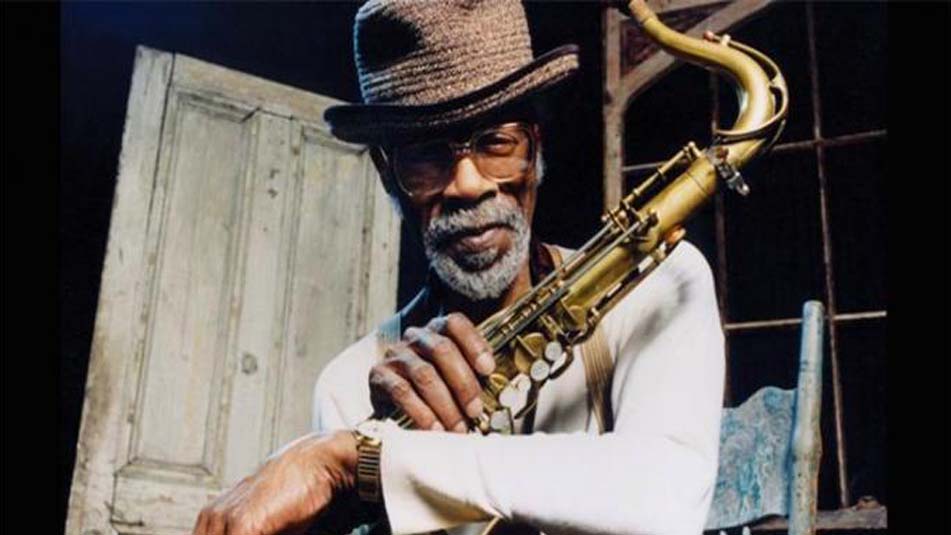
The years go by and more musicians are experimenting with Free Jazz and expressionism. In 1964 three Saxophonists will reshape Free Form Jazz and expand the saxophone vocabulary further than ever before. First, Eric Dolphy (Alto Sax, Bass Clarinet and Flute) will record “Out to Lunch”. His haunting melodies and wild playing complimented Jazz giants such as Charles Mingus and Ornette Colman
https://www.youtube.com/watch?v=ln8naZpOJ0o
Second is Albert Ayler. the Tenor Sax player tamed the instrument by using it “wrong”. He shreiks, mumbles and sings through his horn. In 1964, Ayler released Spiritual Unity:
https://www.youtube.com/watch?v=xWsIG5sNq1Q
Last but not least, John Coltrane records A Love Supreme; a masterpiece of sound and perseverance. The sonic landscapes of this album inspired many to pick up a horn and play (myself included)
https://www.youtube.com/watch?v=ll3CMgiUPuU
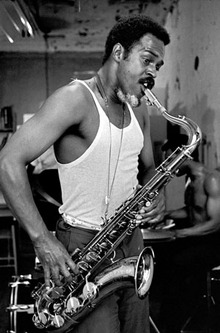
Alright we’re halfway done! 1965!
But first, I want to talk about the Miles Davis, and especially, the Saxophone players hired by him. During the late 50’s, Sonny Rollins was replaced by another colossus John Coltrane due to Rollins’ heroin addiction. Later, Coltrane will separate from Miles to form his own band and record his own material. Coltrane left HUGE shoes to fill, Jimmy Heath, Sonny Stitt and Hank Mobley tried to match with the intensity of Miles’ band but they didn’t take. From 1962 to 1964 George Coleman and Sam Rivers were chosen by Miles and made some fantastic records like My Funny Valentine (1965) with George Coleman:
https://www.youtube.com/watch?v=NOnzQC8pCOQ
Later, Miles will discover a young Tenor player named Wayne Shorter. Wayne was the perfect addition to Miles band: very powerful sound with the latest Free Jazz spirit flowing in his playing. Thier debut album E.S.P. came out in 1965:
https://www.youtube.com/watch?v=WhzHuocXDU0
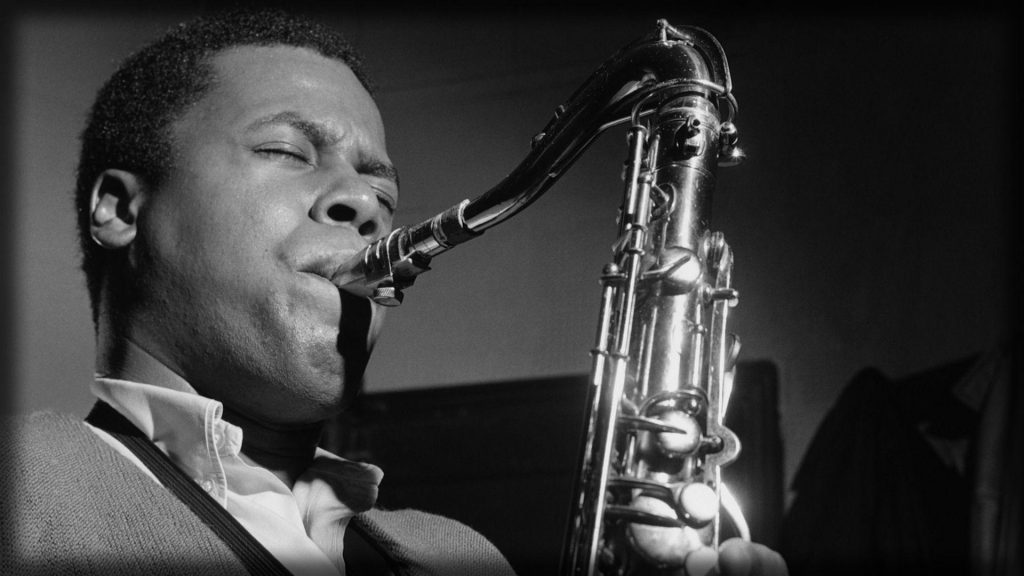
1966 was a very good year for Free Jazz: Albert Ayler recorded along with Don Cherry (and many more) a movie soundtrack for an avant-garde movie: New York Eye and Ear Control
https://www.youtube.com/watch?v=j-TaqhjQ7TA
Jazz also integrated with Soul and R&B music, which pianist Horace Silver demonstrates in a lot of his records. One of Horace’s gems is The Jody Grind, one of his ‘grooviest’ songs:
https://www.youtube.com/watch?v=cIrE6sZduWo
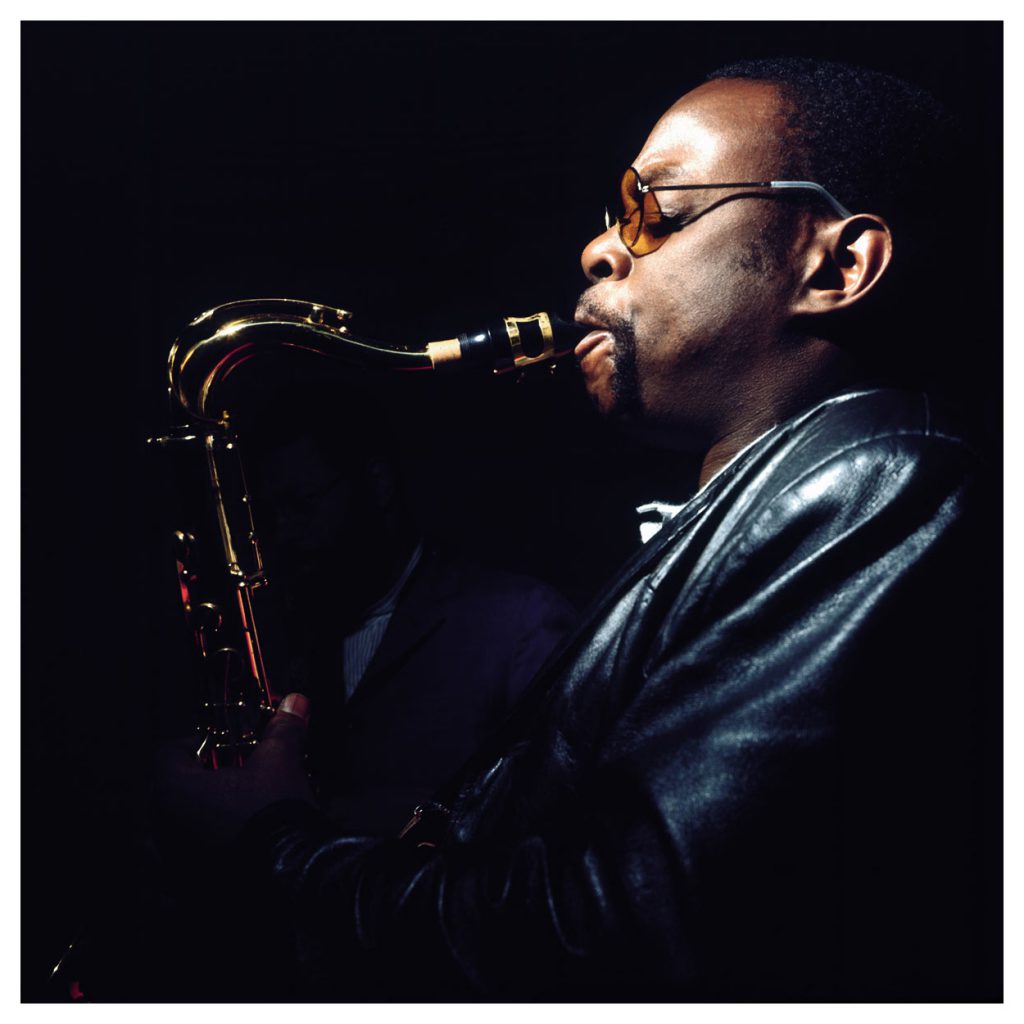
A prime example of combining elements of Free Jazz, Bebop and african beats is Dewey Redman debut album Look For The Black Star:
https://www.youtube.com/watch?v=9h85Hue1-IQ
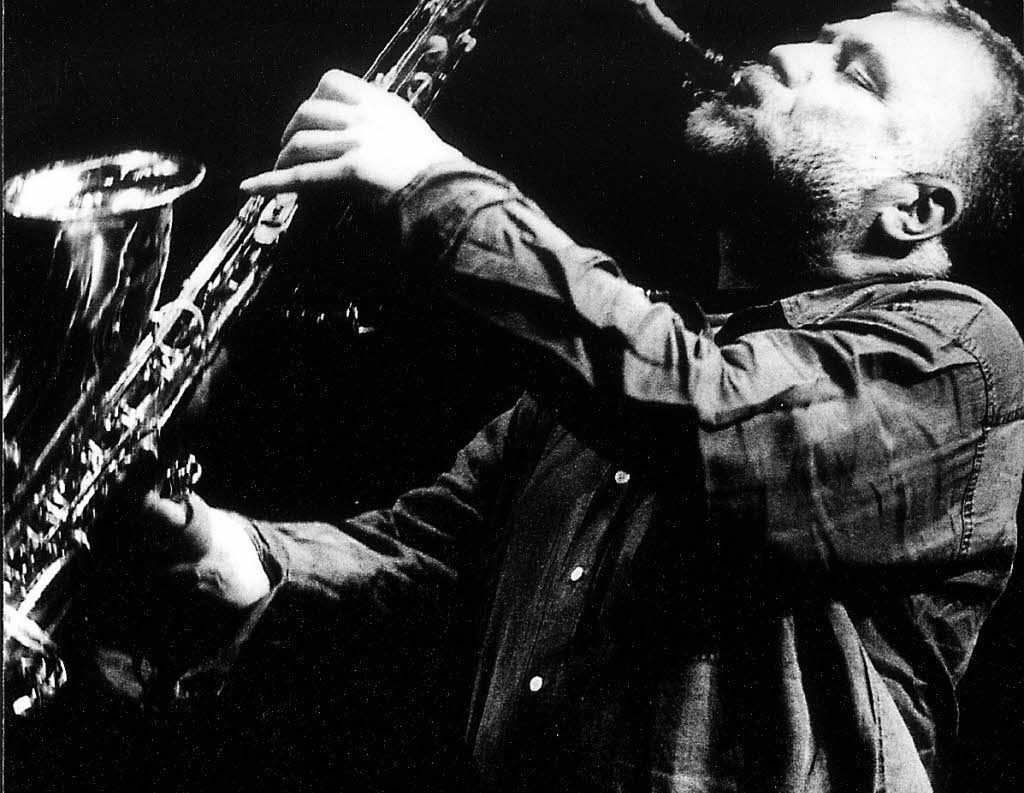
Now we’re getting to the pinnacle of Free Form Jazz and the Saxophone in all that. Peter Brötzmann, a german Saxophone player released his debut album ‘For Adolphe Sax’ via his own label. Who is Adolphe Sax you wonder? (Warning – rough listening experiance).
https://www.youtube.com/watch?v=tI-G07JqsVI
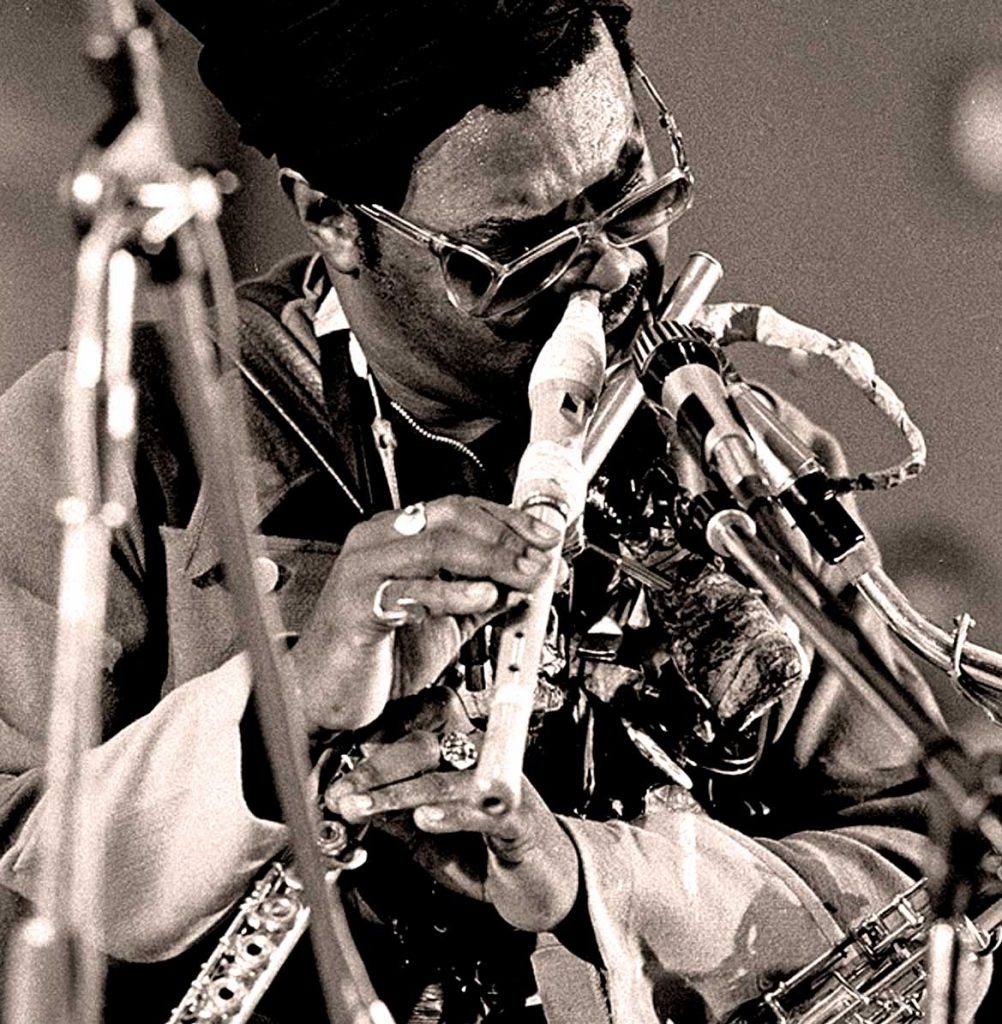
Only 2 more years to go – and I want to take a minute to talk about a very unique and talented musician – Rahsaan Roland Kirk. To call Kirk a Saxophonist is an understatement – he is the multi-instrumentalist. On his 1968 album Left & right he played tenor saxophone, manzello, stritch, clarinet, flute, organ, narration, thumb piano and the celesta. Sometimes he played 3 horms simultaniusly (!).
Here is the album mentioned above:
https://www.youtube.com/watch?v=4eReJ_eNfIw
And here’s a short clip of Kirk demonstrating true multi-instrumentalism:
https://www.youtube.com/watch?v=ZIqLJmlQQNM
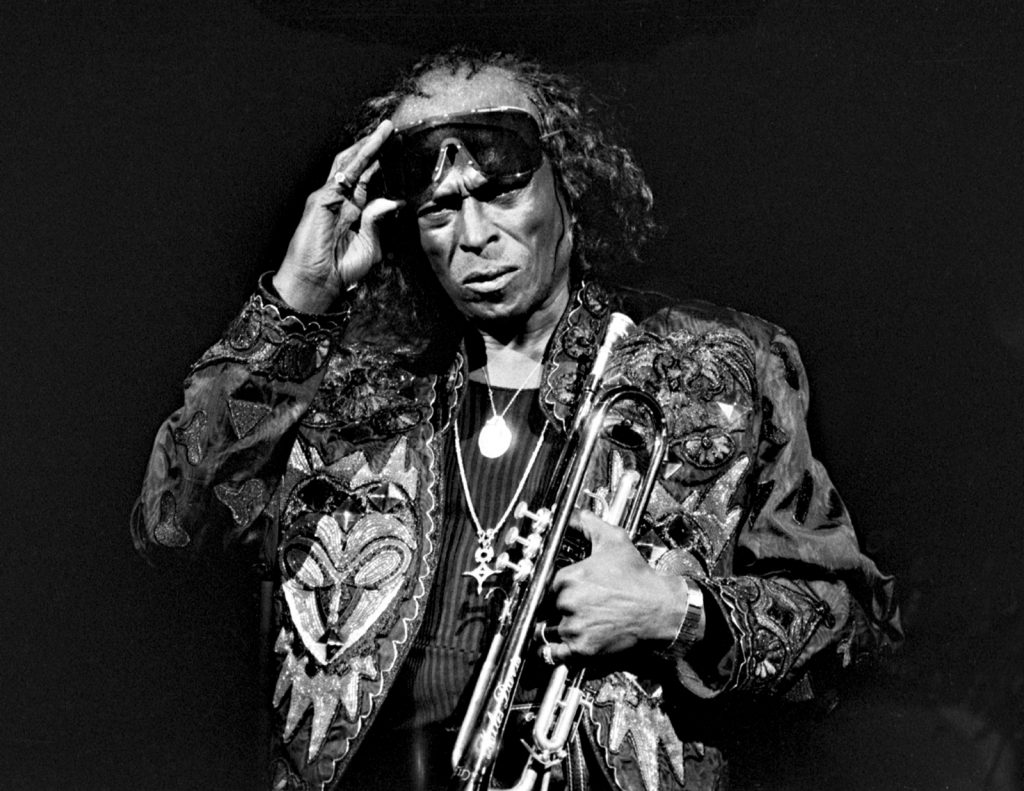
Last stop – 1969. Miles Davis is very influenced by the new electric instruments that were invented at the time (the solidbody electric guitar and bass, the Fender Rhods etc.) and records ‘Bitches Brew’ considered to be the first Rock-Jazz crossover album. Davis’ album recived great reviews, sold more than any of Miles’ records up until this point and earned him a gold record (500,000 records). Moreover, he was awarded a Grammy for this masterpiece. This is the birth of Fusion Jazz.
https://www.youtube.com/watch?v=SbCt-iXIXlQ
So, what’s next?
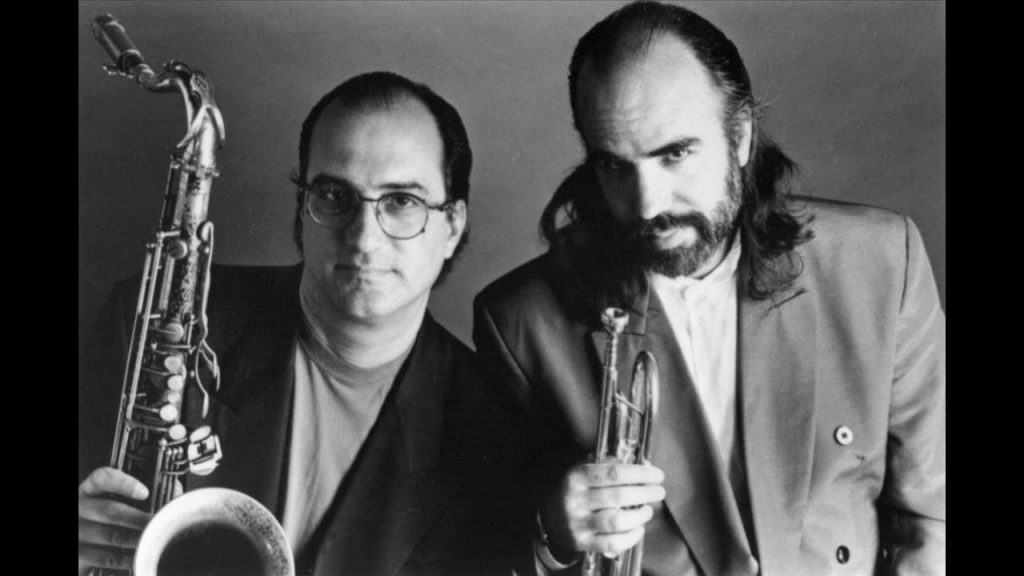
Jazz has evolved a lot during the 60’s – Hard Bop, Rock, Free Form Jazz, Bossa Nova, Soul, R&B and african influences has permeated Jazz and still being played today. But the main ‘winner’ is the Fusion Jazz hybrid – it set the tone for the shape of jazz to come (pun intended) which made Marcus Miller, the Brecker Brothers, Mike Stern, Bob Berg and many others famous.
For instant, one of my all time favorite live shows:
https://www.youtube.com/watch?v=HC2hrHg9yXk
And a prime example of the awsomness of the Tenor Sax:
https://www.youtube.com/watch?v=DRjjDjj9GvI
I hope you enjoyed reading and listening to this book as much as I enjoyed writing it
Published: Apr 26, 2019
Latest Revision: Apr 26, 2019
Ourboox Unique Identifier: OB-616808
Copyright © 2019