






Light and Sound

Copyright © 2021
Lights
small: light bulbs or direct sunlight
can be used to create sharp and very pronounced shadows
medium: light coming in through a window
they create a good balance between even lighting and sharp shadows
Large: Light reflected off a white wall
create very soft shadows and illuminate the scene evenly
Position of the lights
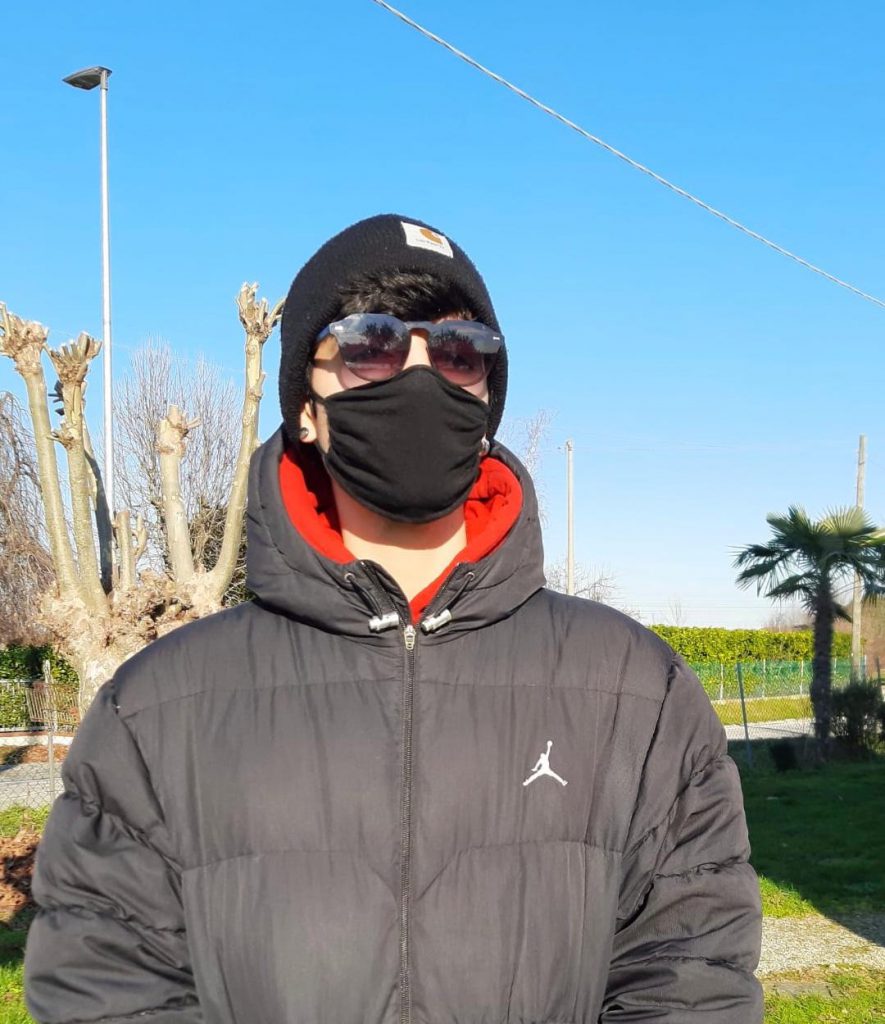
Frontal: the light is placed directly in front of the subject.
(first image)
3/4: The light is placed at about 45 degrees to the subject, to give depth. (second image)
Side: The light is placed to the side of the subject, to give a more dramatic tone.
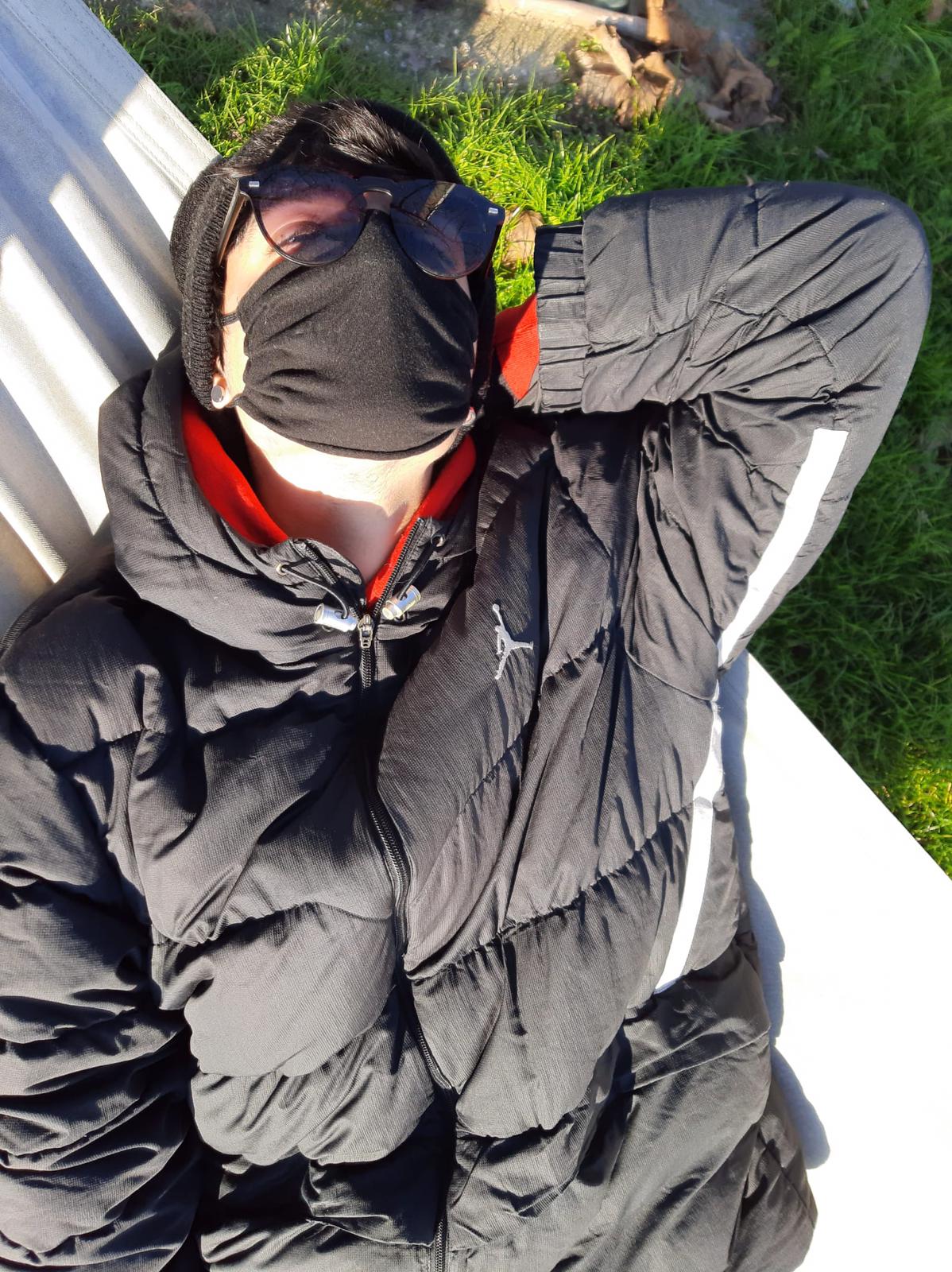
from below: the light is placed below the subject, to give a more disturbing and scary tone. (third image)
backlight: the light source is directed against the camera, if the subject is placed between the light and the camera a silhouette effect can be achieved. (fourth imagine)
Indoor: Photographs and shots taken in places such as studios, where we can control the amount of light to our liking.
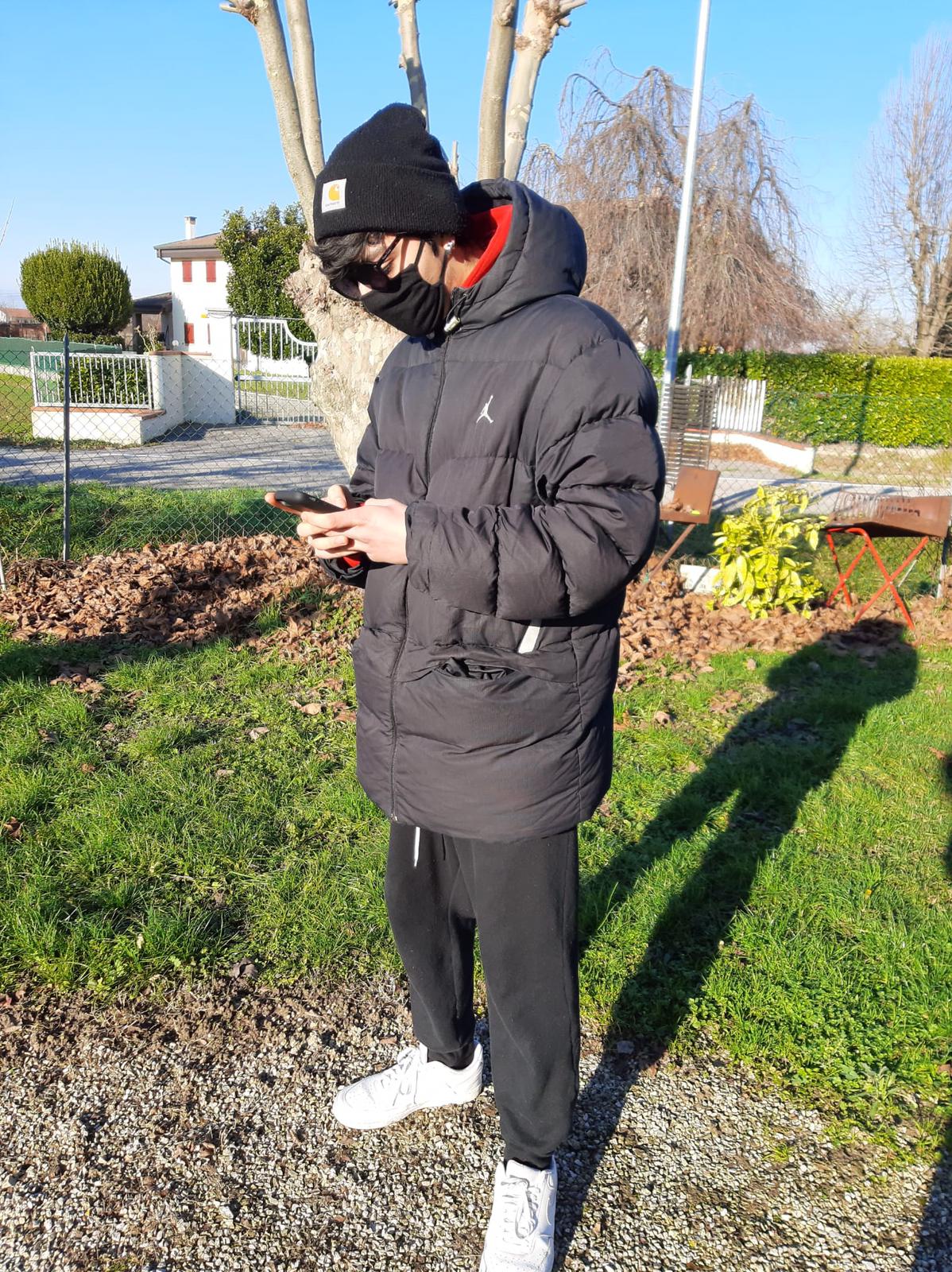
Outdoors: Photographs or shots taken in outdoor spaces, where we have almost no control over the light. (fifth image)


Sounds
real sound: sounds that refer to the lace where the shot is taken
(for example if the scene that take place in a school corridor, will ave as sounds the voices of the students or the sound of the bell)
music: the music, or soundtrack, of a film is used to make the viewer understand the feelings of the protagonists of the scene
Luci
piccole: lampadine o luce diretta del sole
possono essere usate per creare ombre nette e molto marcate
medie: luce che entra da una finestra
creano un ottimo equilibrio tra un’illuminazione uniforme e ombre nette
grandi: luce riflessa da un muro bianco
creano ombre molto morbide e illuminano in maniera uniforme la scena
Posizione delle luci
frontale: la luce o messa direttamente davanti al soggetto.
di 3/4: la luce e messa a circa 45 gradi rispetto al soggetto, per dare profondità.
laterale: la luce e messa sul lato del soggetto, per dare un tono più drammatico.
dal basso: la luce è messa sotto al soggetto, per dare un tono più inquietante e pauroso.
controluce: la fonte di luce e diretta contro l’obiettivo della fotocamera, se il soggetto viene messo tra la luce e la fotocamera si può ottenere un effetto silhouette.
Interni: fotografie e riprese fatteti in luoghi come studi fotografici, dove possiamo controllare a nostro piacimento la quantità di luce.
Esterne: fotografie o riprese fatte in spazi esterni, dove il nostro controllo sulla luce è quasi nullo.
Souni
suoni reali: suoni che fanno riferimento all’ambiente dove si svolge la scena
(ad esempio se la scene viene fatta in un corridoio scolastico, come suoni avremo le voci degli alunni o la campanella)
musica: la musica, o colonna sonora, di un film, viene messa per far capire, a chi guarda, i sentimenti dei protagonisti della scena
Published: Jan 6, 2021
Latest Revision: Jan 6, 2021
Ourboox Unique Identifier: OB-992090
Copyright © 2021

 Skip to content