






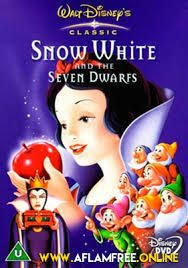


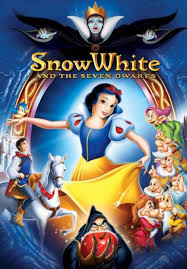
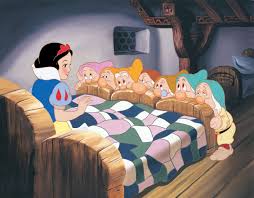

The themes of “Snow White” include, primarily, virginity and pride. Sexton introduces the theme of virginity before she introduces Snow White herself. She claims that virgins have universal appeal (“Whatever life you lead / the virgin is a lovely number”). The virgin that Sexton describes (and of which Snow White will be her example) is doll-like (“rolling her china-blue doll eyes / open and shut”). This suggests that virgins are scarcely human figures.
The poet conveys the fairy tale with the traditional details, including the queen and her mirror that alerts the queen to Snow White’s existence and superior beauty. When Snow White is turned out of the kingdom and spared by the hunter ordered by the queen to hill her, she makes her way to the home of the famous dwarfs. Living a cloistered lifestyle among dwarfs (“little hot dogs” who are like “wise . . . like small czars”), Snow White maintains her virginity in a sort of arrested development. For example, the dwarfs order Snow White not to leave the house for fear of the queen. Like many fairy tales, Sexton’s version preserves the tone of admonition (even if it is a bit sarcastic): if one does not obey the masculine element, she is doomed.
As to the theme of pride, the queen’s pride is what sets the poem’s entire plot in motion. The queen’s mirror fueled this pride (“Pride pumped in her like poison”). When the queen is told that Snow White is fairer, she resolves to eat Snow White. Sexton adds a farcical element to the Grimm vision (which does include the queen eating Snow White’s heart): Sexton claims that the queen ate up the supposed heart (while in fact it was a boar’s heat returned by the hunter) like a “cube steak.”
At the end of the poem, the queen dies wearing red-hot iron shoes at the wedding of Snow White and the prince. As the queen was red with jealous rage, she dies, consumed by her red-hot shoes while dancing. Pride, according to Sexton’s version of the fairy tale, is self-consuming.
Themes and Meanings
In the versions of “Snow White and the Seven Dwarfs” that have been sanitized for children, the action of the poem usually seems to concentrate on the possibility of violence aimed at the innocent young. In those stories, although the reader assumes the queen to be motivated by her envy of Snow White’s youth and beauty, her motives seem to be subsidiary to the theme of violence itself. In Sexton’s version, the queen’s pride, which “pumped in her like a poison,” is diagnosed directly as motivation. Indeed, Sexton says that before the mirror labels Snow White as the most beautiful woman in the land, the girl has been “no more important” to the queen than “a dust mouse under the bed.” The mirror’s announcement makes the queen suddenly aware of encroaching age and makes her determined to kill Snow White. At the end, the queen is punished for her pride by dancing to death in the red-hot shoes.
لكن سيكستون يذهب إلى أبعد من مجرد جعل الملكة شريرة. في فقرة الآية الثانية من القصيدة ، يستخدم سيكستون ضمير المخاطب الثاني “أنت” ليقترح على القارئ أن كل شخص معرض لتأثيرات الكبرياء المفسدة وقد يخضع لمكافأته: “يا أصدقائي ، في النهاية / سوف ارقص رقصة النار “. في النهاية ، يصف سيكستون عقوبة الملكة. بعد وصف الحذاء الذي ينتظر الملكة ، عاد سيكستون فجأة …

 Skip to content