






by in nature animals
Copyright © 2021
endangered animals affected by the global warming

Copyright © 2021
Encyclopedia Of Endangered Animals As A Result Of Global Warming
In nature Our Animals eTwinning Project Students Team
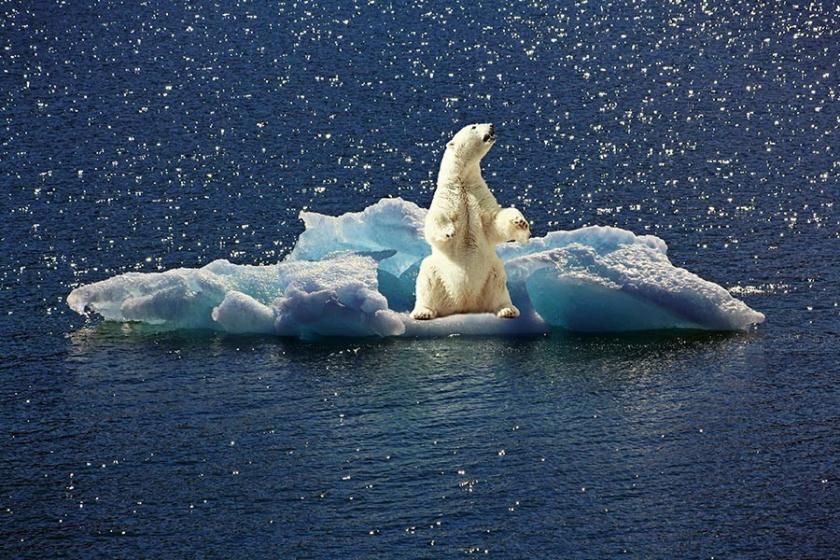
• Climate change is the most important issue for polar bears.
threatening. Polar bears made of sea ice
habitats are melting and the ice cover shrinks,
Due to the thinning of the remaining ice, its prey
the number is constantly decreasing.
• Sea ice withdrawal causes polar bears on land.
It may cause him to spend more time. This is also
cost the lives of both polar bears and people
it can lead to human-animal conflict.
Within other species in the diet of the polar bear
pollutants such as stored mercury in the bear’s adipose tissue
it can accumulate to cause birth defects and
may damage the central nervous system.
• New projects especially such as oil and gas exploration
economic developments disturb polar bears
can increase human-animal conflict and
increases the risk of oil spills.
Trabzon Mahmut Celaleddin Ökten Anadolu İmam Hatip High School Student:Ayşe Betül
There are 1,770,000 known animal species in the world, and it is assumed that there are almost a hundred times more of them. But the alarming fact is that every day due to habitat loss, hunting and exploitation, as well as pollution of the atmosphere, soil and water in the world 50 – 100 species of plants and animals become extinct, and the most endangered are sea turtles, gorillas, pandas, elephants, whales, tigers …
Scientists claim that the extinction rate today is 40 percent higher than normal. It should be emphasized that the extinction of some species is irreversible! Animals are mostly endangered by humans, whether they are hunted or exploited, pollute the soil, air and water, or destroy their habitats and introduce alien species.
Causes are:Habitat destruction
Commercial exploitation
Damage caused by the introduction of non-native species
Pollution
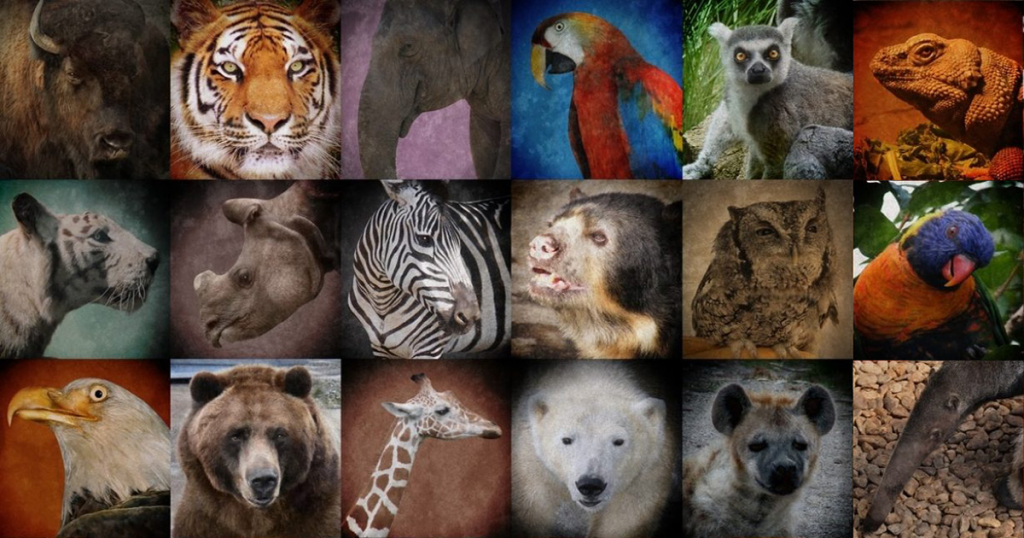
Habitat destruction by human activity
is the biggest cause of species extinction. Most species are ideally adapted to the habitat in which they live and have developed their specific needs accordingly. Without that habitat, the species cannot survive. Pollution, drainage of wetlands for irrigation, logging and deforestation, roads and dams that divide the indivisible habitat, are just some of the reasons for extinction.Among the protected animals are certain species of pelicans, storks, griffon vultures, crayfish, ladybugs, frogs, white-tailed deer, hinges
There are 215 species of plants and 429 species of animals in Serbia, which are placed under the strictest level of state protection as natural rarities.
The head of the Department for Biodiversity of the Institute for Nature Protection of Serbia, Nenad Sekulić, told the Beta agency that 273 species of birds and 66 species of mammals are among the endangered animals.
41 species of invertebrates, 34 species of insects and 15 species of fish are also protected
Anamarija, Elementary School “Mića Stojković”, Umčari
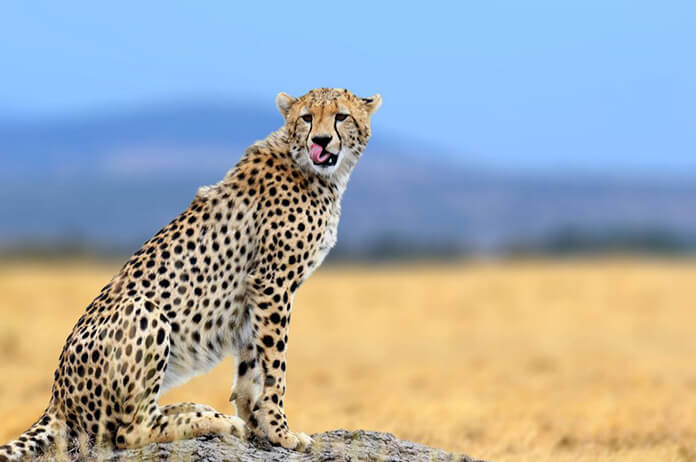
What about the Generations of Cheetahs?
Cheetahs are carnivores found throughout Africa and particularly in North Africa. In fact,
these creatures can easily adapt to many different environments because a cheetah, like
other cats, does not need much water. Basic needs such as the water they get from the food
they eat are sufficient for them.
It is thought that in the early 1900s there were an average of 100,000 cheetahs all over the
world, but their total population today is less than 7,000. Although efforts to increase the
population of cheetahs are continuing today, we can destroy the last few thousand members
of this species in the hands of unconscious humanity.
Known as the fastest land animals, cheetahs are an animal with a long, slender body
covered with black spots. They are carnivores with streamlined bodies, long legs and semiretractable claws that can accelerate to 112 km / h.
Physical properties Adult
The average length of a lath is 77 cm and 1-1.5 meters. If we add their tails, we need to add
70 cm more to this length. Typically it ranges from 34 to 64 kg for a vehicle.
They have long, long legs and a flexible leg. This type of predator can exceed 7 meters in its
fastest jump. While cheetahs can reach 100 km in 2.5 seconds, according to reports, the
fastest cars in the world can achieve this in 3.5 seconds.
Also, cheetahs have a distinct advantage in their tails. While maintaining balance in fast
maneuvers with the power they take from their tails, they help them maintain their balance in
the air while jumping. It is also easier to hold on to the ground thanks to its retractable nails.
So no matter what angle we look at the cheetah, it is inevitable that we will always see a
great predator.
Cheetahs Can’t Roar
Unlike other big cats, cheetahs cannot roar, but they can purr like other small cats.
Unlike other big cats such as lions, tigers and leopards, they have a wider range of
communication sounds. These sounds are richer than other cats and provide clearer
messages among cheetahs.
Student:Nur Sena Y.
Isparta Girls Anatolian Imam Hatip High School
Mediterranean seal
The Mediterranean seal (Monachus monachus) is one of the most endangered mammal species in the world. Its distribution is highly fragmented, including the temperate and subtropical waters of the Mediterranean Sea and the eastern Atlantic Ocean. The number of representatives of this species is estimated at only 600 individuals grouped into three geographically isolated subpopulations – the eastern Mediterranean (Greece, Cyprus, Turkey), the west coast of Africa and the Madeira Islands. Increasing human pressure and disruption of suitable habitats has led to a change in social behavior of this species. Once a social species that formed colonies, today we more often find them as solitary individuals or in small groups. Although generally described as a species that has a limited range of motion, it is capable of traversing great distances in a short period of time.
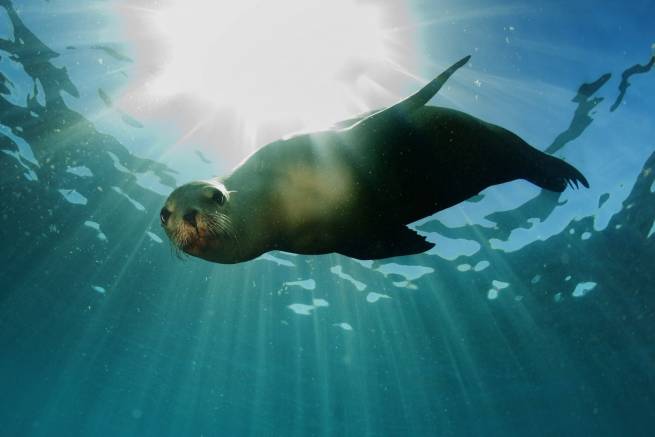
Distribution of the Mediterranean seal
The historical distribution of the Mediterranean seal included the Adriatic Sea. In fact, the first scientific description of this species was made on a specimen caught in 1777 near the island of Cres. In the 17th and 18th centuries, the presence of the Mediterranean seal was recorded along the entire eastern Adriatic coast, from Istria to Montenegro, while most reports of captured individuals from the 19th century came from Kvarner (northern Adriatic) and Dalmatia (central and southern Adriatic). . The first form of protection of this species appears in the 20th century when there was a decrease in the presence of the Mediterranean seal in the central and southern Adriatic (islands Biševo, Svetac, Sušac, Vis, Hvar, Brač, Palagruža, Lastovo, Korčula, Mljet, Pelješac and near Dubrovnik) . According to the criteria of the International Union for Conservation of Nature (IUCN) and the Croatian Red Book of Mammals, this species is currently listed as regionally extinct in the Adriatic Sea.
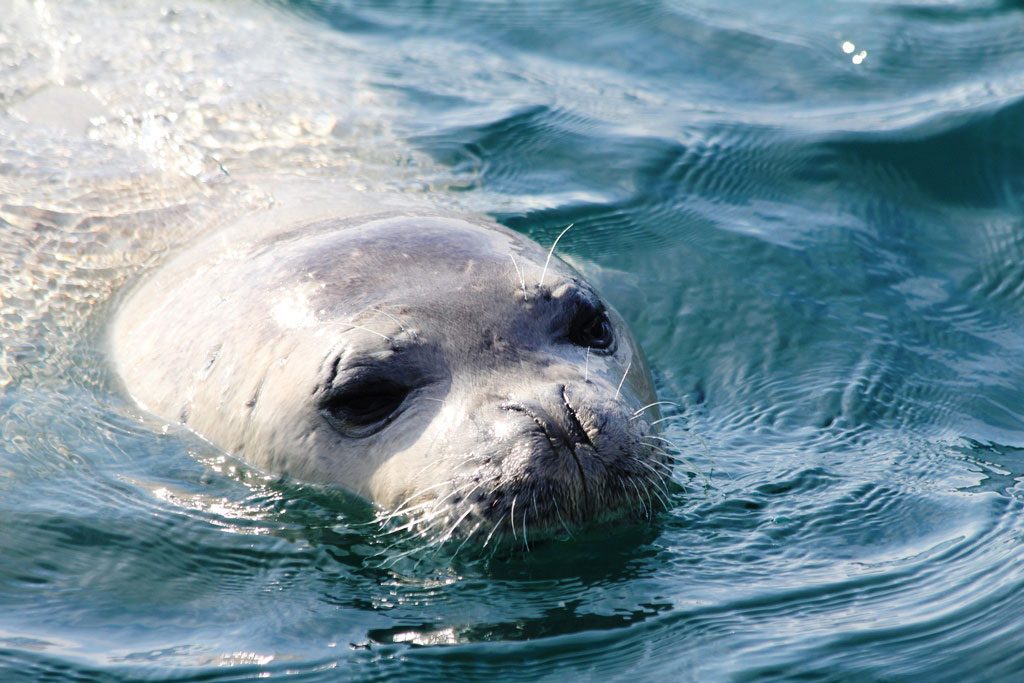
In June 2005, the first confirmed report of the re-emergence of the Mediterranean seal occurred in the Adriatic Sea when the species was positively identified based on photo documentation taken near the island of Silba, in the northern Adriatic. Since then, the regular presence of a female Mediterranean seal along the northeastern Adriatic coast has been documented. The analysis of photographs collected during the observations confirmed the regular presence of the same individual in the area of the Istrian peninsula, Kvarner and Kvarnerić. This individual died naturally in August 2014, after which sporadic observations of the Mediterranean seal were recorded in the Adriatic. Due to the lack of photographic material, the interpretation of such events can only be hypothetical. It is likely that individuals coming from the nearby colonies of the Ionian and Aegean Seas enter the Adriatic Sea, retaining only a limited time before returning to the rest of the Mediterranean. Similar occurrences of Mediterranean bears have also been described in other areas where this species is considered regionally extinct.
In order to preserve and improve the condition of the Mediterranean seal population in the Croatian part of the Adriatic, the Ministry of Economy and Sustainable Development has adopted rules of conduct when meeting the Mediterranean seal in the sea, in front of and in caves, on the shore or while boating.
David R., OŠ “Pavao Belas”, Croatia
Teacher: Ivanka Tomić
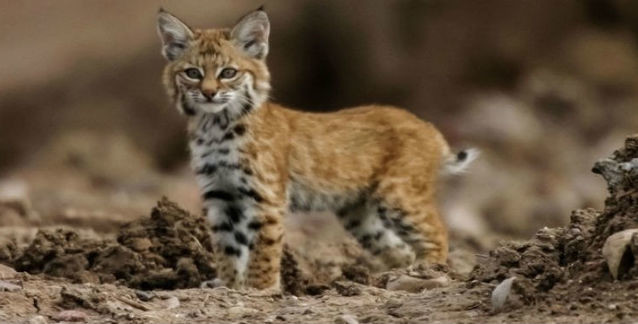
VAŞAK
The lynx is a very predatory teline, about 1 m long, with
pointed ears, sharp teeth and claws, ashy tur and
black spots . … They prey on small mammals, birds and
fish, and may be preyed upon by very few animals.
They can catch their prey on the tree by climbing the
tree.
it is ateline that lives in the northern forests of North
America, Europe and Asia. This species, which can
live even in extremely cold climatic conditions, is able
to maintain its body temperature at all times thanks to
its thickly covered tur.
These felines, which attract
attention with their large claws and erect ears, are decreasing in number due to the increase in poaching and the deterioration of natura! life. Lynx, which is among the predatory species, is among the animal species that are in danger of extinction throughout the world, especially in our country.
Bolvadin Ayfer Ceylan Emet Fen Lisesi
Teacher:Gökhan Nebioğlu
Student:Sıdıka Sıla
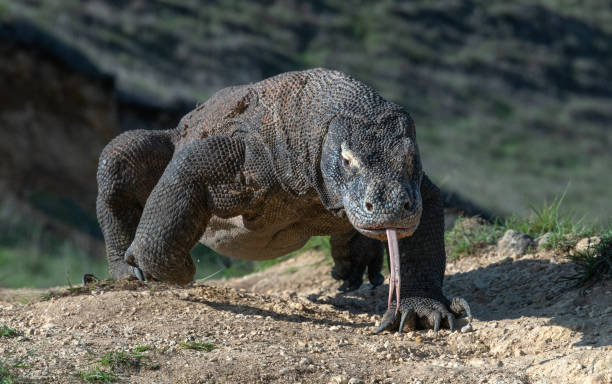
KOMODO DRAGONS ARE EXTINGUISHED
The Kornoda dragon is the world’s largest lizard species. Kornoda dragons have a maximum length of 3 m, with an average weight of around 70 kilograms. Although it is called a dragon, it is actually a variety.
They are found on the islands of Kornoda, Rintja and Flores in lndonesia. They prefer grassland areas. Kornoda dragons swim and climb well and are active during the day. Like snakes, they find food using their long, forked tongues. Their main food is animal carcasses. They alsa hunt deer and
wild boar. Kornoda dragons can even kill animals as large as buffalo. His saliva contains more than 50 types of bacteria, most of them dangerous. They leave nothing behind from their food.The fernales lay around fifteen eggs each year.
They bury thern in the ground and incubate thern. Kornoda dragons were unknown outside of their natural environrnent until research on Kornoda lsland in 1912.
They were clairned to be over 7 rneters in length, but the largest known specirnen is 3.50 rneters tall and weighs 166 kg. The lineage of Kornoda dragons is endangered by hurnan
oppression. Although they can spread easily, the settlernent of hurnans on their islands and hunting kornoda dragons and their prey have brought the species to extinction. They are very intelligent far the average reptile. They are only seen in a few zoos and natural parks. it is irnpossible and dangerous to tarne the species. Kornoda dragons are closely related to rnegalania, an ancient extinct giant varan species.
Bolvadin Ayfer Ceylan Emet Fen Lisesi
Teacher:Afşin Yıldırım
Student:Şehri Sude
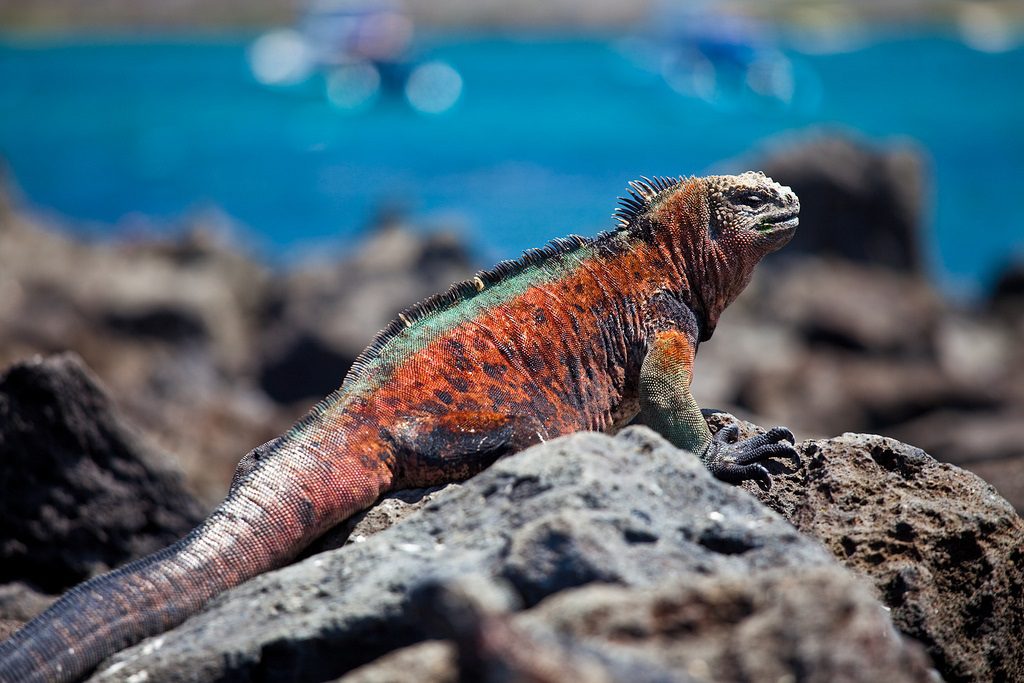
Marina Iguana:
This water-loving lizard, which can dive to a depth of about 10 meters, is also the only lizard to look for food in sea water. This iguana species is also called “Galapagos Dragon” and “sea lizard”. What do they eat ?
Generally, males grow up to 1.5 meters and females up to 2 meters in length. Marine iguanas, which are herbivores despite their frighteningly sharp teeth, only have seaweed and algae on their menu.
They only live on the Galapagos Islands. The marine iguana is the only one of its kind and the only iguana living in a saltwater environment.
The lifespan of iguanas is 15-20 years. They swim perfectly on water by extending their legs parallel to their body and using their tail. … During the breeding season, the female emits a strong odor and attracts the males.
The female can mate with more than one male. After mating, the female digs the soil and lays her eggs in the hole she dug and covers them. The female lays 3 to 9 eggs at a time. This endemic species, which lives only in the Galapagos Islands in the world, is estimated to have evolved from the Black Iguana, which came to the island 4.5 million years ago with logs and debris poured into the sea. These creatures, which have managed to survive in a very harsh environment by eating only seaweed, have an appearance that many describe as “repulsive” with their heads covered with salt.
Bolvadin Ayfer Ceylan Emet Fen Lisesi
Teacher:Şerife Yıldırım
Student:Selcen
Published: Apr 26, 2021
Latest Revision: Apr 26, 2021
Ourboox Unique Identifier: OB-1118300
Copyright © 2021

 Skip to content