






A short history of South Africa

Copyright © 2021
Clothilde, Philippe
The document summarizes the history of South Africa. This country was early inhabited by people who nowadays constitute the South African aboriginal people such as the Khoisan people, which is Africa’s oldest indigenous culture or the Zulus who represents the largest indigenous population living in South Africa. Then European settlers from all over Europe arrived -the history of White settlement in South Africa having started in 1652 with the settlement of the Cape of Good Hope by the Dutch East India Company – and shared the land among themselves, not without conflicts such as the Boer wars. In 1910, however, those conflicts for territorial domination ceased thanks to the signing a unification treaty by the different European colonies, which gave rise to the Union of South Africa, which was a self-governing dominion of the British Empire, governed under a form of constitutional monarchy. The Union came to an end with the enactment of the constitution of 1961, by which it became a republic and left the Commonwealth.The South African Republic was created but the racist regime of Apartheid was put in place, implementing legal segregation for Black and Colored people. All SA’s inhabitants were finally declared equal in 1994, when the first ever democratic election took place.
Camille, Lily Mei, Alix
Before 1840, Durban was favoring white people despite the fact that it was the place where there was the largest indian population after India. Indians were working for the British, they were almost slaves. In 1843, the slavery of Indian people was banned*, but the latter were still traveling to South Africa. That’s why, in 1869 we see Indians workers but this time they were free.
*The Indian Slavery Act, 1843, also known as Act V of 1843, was an act passed in British India under East India Company rule, which outlawed many economic transactions associated with slavery.
Agathe, Yoan, Arthur.
- to promise someone something / to DO smtg
- government
Group 2 ( Christian Raphaël Baptiste)
After the Apartheid, the different races and ethnicities have been cohabiting. This has furthered social improvements in different areas of society. Multiculturalism has had an impact on the government, since, for instance, the number of Indians in power has been increasing. There is also more Indians attending South African universities, that were previously reserved for white people. However there are still traces of Apartheid, especially in South Africa, seen in daily acts of racism for instance. But South African people are working towards erasing this past.
Estelle et Elisabeth
Groupe 6
Racial struggles still exist to day in South Africa. For instance,
a big debate has been erupting around the suppression of Afrikaan* at school. White students have been seen demonstrating, sometimes with violence. They state that this language is important for them : it represents their identity and an important part of the South African history according to them.
Workshop 1 : A Rainbow Nation?
Diversity in South Africa is due to many reasons. First, there is colonisation : European people, especially English and Dutch people, settled there. Second, even after the end of slavery, Indians continued to go to South Africa to work as free people. Consequently, they were called indentured servants. Finally, of course, there is the native population.
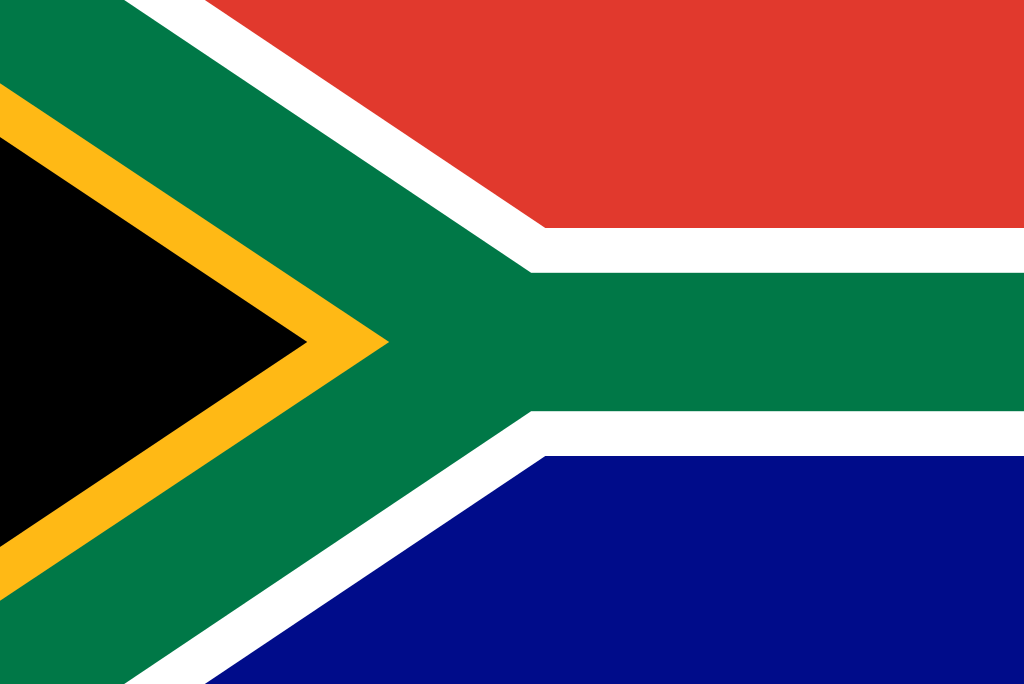
To conclude, we find this diversity in many aspects such as the origins and skin colors : we call South Africa the “Rainbow nation”. That’s why, the identity of South Africa is represented through its flag in the “Y” that represents the union between different cultures.
Lily-Mei, Estelle, Clothilde, Elisabeth, Agathe et Yoan
Published: May 4, 2021
Latest Revision: May 4, 2021
Ourboox Unique Identifier: OB-1126792
Copyright © 2021

 Skip to content