






Arctic Ecosystem: Do You Know What Lives in the Arctic

Copyright © 2016

Table of Contents
Page 4 Snow Hills
Page 5 Introduction
Page 6 Polar Bears Near The North Pole
Page 7 Plants of the Arctic
Page 8 Flowers That Live in the Arctic
Page 9 The Interesting Climate
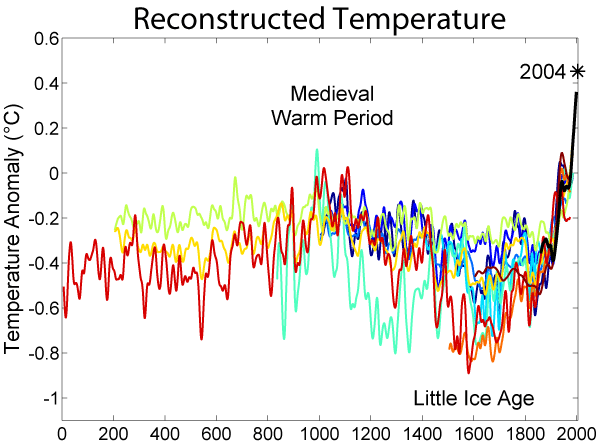
Page 10 Reconstructed Temperature
Page 11 Animals in the Arctic
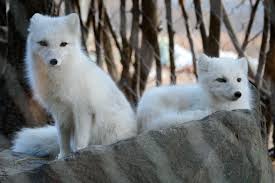
Page 12 Arctic Foxes
Page 13 Concluding
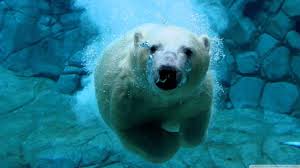
Page 14 Polar Bear Under the Water
Pave 15 Sources
Do you know anything about the Arctic? Surprisingly lots of plants live in the Arctic. Then the temperature is very interesting. Lastly animals, wow they are amazing. Do you want to learn more about plants?
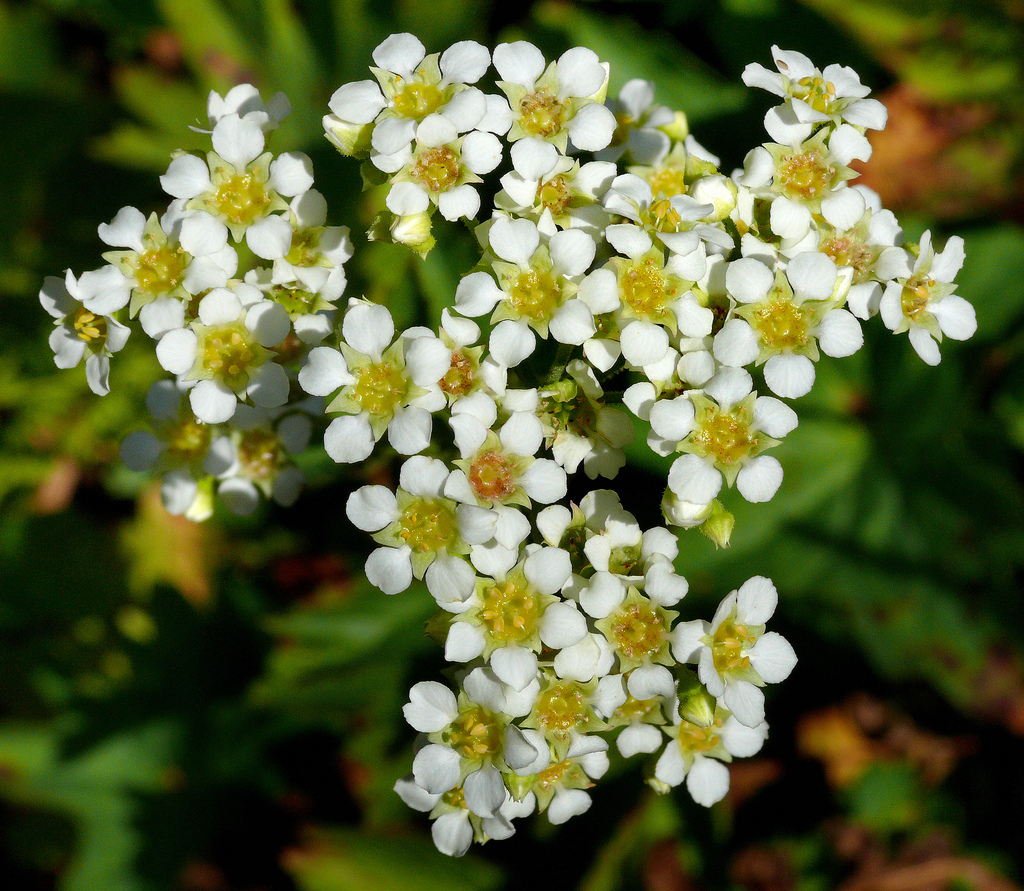
Did you know that plants live in the Arctic? Trees are very, very rare in the Arctic. Plants have to adapt to the weather and grow very close to each other. Other plants that live in the Arctic are grasses, mosses, lichens, flowers, saxifrages, avens, and more. Saxifrages is holarctic perennial plant, also avens is a plant in the rose family. Do you know what the highest temperature is in Antarctica?
The climate in Antarctica is very interesting! Antarctica’s highest temperature is 63.5 degrees fahrenheit. In addition to that the heat affects the ecosystems and humans. In Enderby Land, Antarctica the temperature is usually in the – teens. Enderby Land, Antarctica is in the north. The water is heating up from the summer melts. I am scared for the animals.
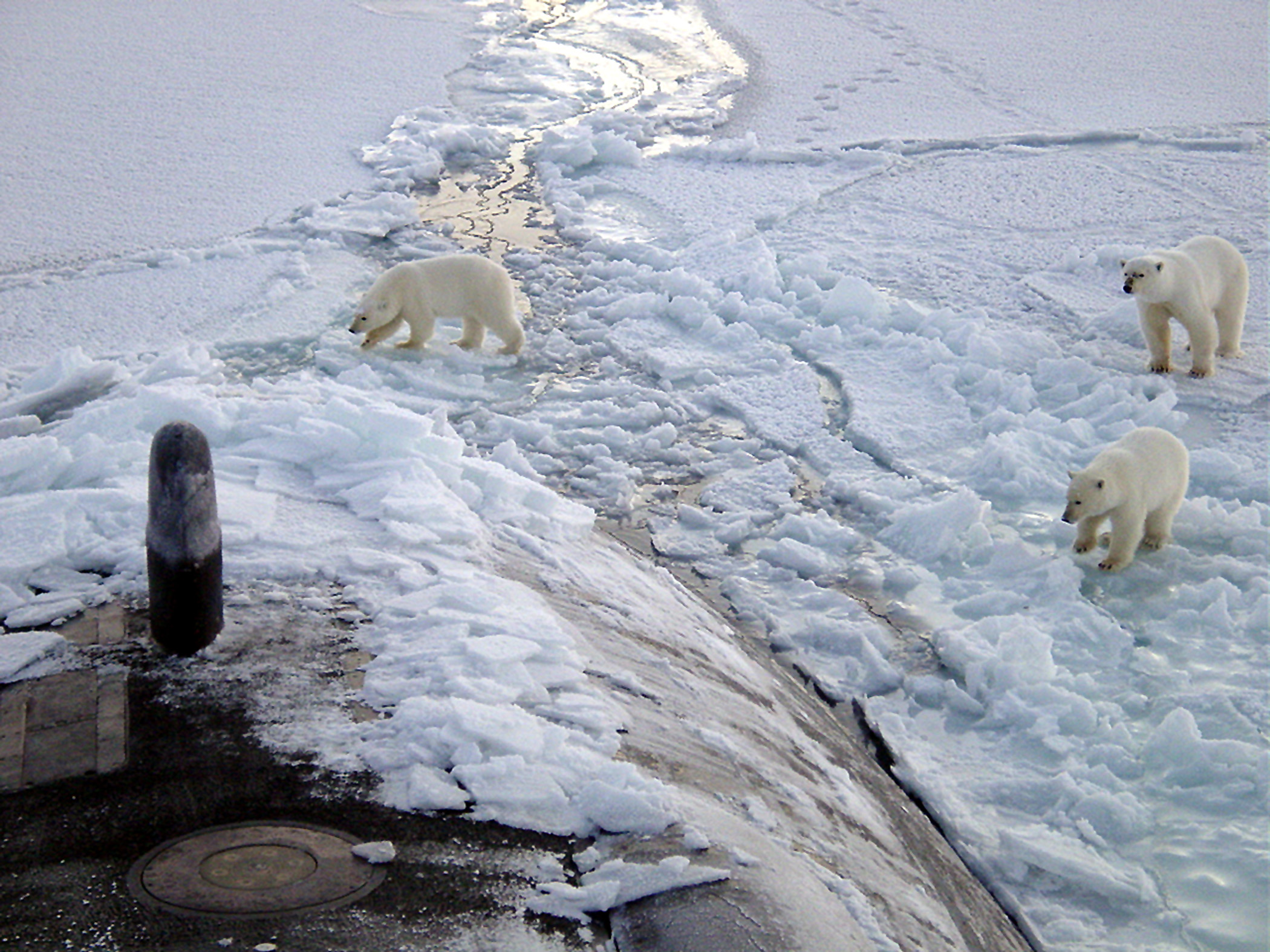
Arctic foxes, polar bears, reindeer, and much more. Animals are very interesting. Arctic foxes eat lemming most of the time, lemming is a rodent like creature. Polar Bears eat seals, seabirds, and fish. Reindeers eat mosses, plants and lichens. Animals will not attack you unless you scare them.
The arctic land is very lumpy because melts and freezes. Plants surprisingly live in the arctic. Temperature is very interesting. Animals are amazing too. Now you can tell people about the arctic and see what they think.
Wayman, Erin. “Taking Antarctica’s Temperature: Frozen Continent May Not Be Immune To Global
Warming.”Science News 184.2 (2013): 18-23. Health Source – Consumer Edition. Web. 4 Feb. 2016.
Farndon, John. “Arctic Plants.” Plants (2003): 22. Book Collection Nonfiction: Elementary School Edition. Web. 11 Feb. 2016.
“Arctic Animals.” Scholastic News — Edition 3 72.10 (2015): 7. Primary Search. Web. 11 Feb. 2016.
“Antarctica.” Funk & Wagnalls New World Encyclopedia (2015): 1p. 1. Funk & Wagnalls New World Encyclopedia. Web. 25 Feb. 2016
Wayman, Erin. “Taking Antarctica’s Temperature: Frozen Continent May Not Be Immune To Global Warming.”Science News 184.2 (2013): 18-23. Health Source – Consumer Edition. Web. 1 Mar. 2016..
“Antarctic Animals.” Science Spin Grade 2 (2015): 4. Primary Search. Web. 3 Mar. 2016.
“Antarctica.” Britannica School. Encyclopædia Britannica, Inc., 2016. Web. 5 Feb. 2016.
“Arctic Animals.” Scholastic News — Edition 3 72.10 (2015): 7. Primary Search. Web. 11 Feb. 2016.
“Antarctica.” The New Book of Knowledge. Grolier Online, 2016. Web. 18 Feb. 2016.
Wikipedia. Wikimedia Foundation, n.d. Web. 29 Mar. 2016.
http://www.yr.no/place/Antarctica/Other/Enderby_Land/
By Brian Clark Howard, National Geographic PUBLISHED Tue Mar 31 16:13:16 EDT 2015. “Antarctica May Have Hit Highest Temperature on Record.” National Geographic. National Geographic Society, n.d. Web. 29 Mar. 2016.
Lewis, Tanya. “Polar Opposites: Why Climate Change Affects Arctic & Antarctic Differently.” LiveScience. TechMedia Network, 02 Oct. 2013. Web. 29 Mar. 2016.
Q, By Charles. “How Antarctica Got So Cold.” LiveScience. TechMedia Network, 27 June 2011. Web. 29 Mar. 2016
Published: Apr 7, 2016
Latest Revision: Apr 9, 2016
Ourboox Unique Identifier: OB-125187
Copyright © 2016