






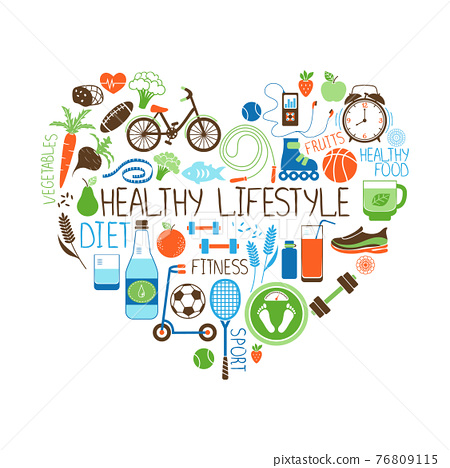
Healthy Lifestyle

Copyright © 2022
Healthy Lifestyle
Get enough sleep
Exercise regularly
Stay away from VAPE
Eat healthy food
Fast food
2

Get enough sleep
Sleep needs can vary from person to person, but in general, experts recommend that healthy adults get an average of 7 to 9 hours per night of shuteye. If you regularly need more than 8 or 9 hours of sleep per night to feel rested, it might be a sign of an underlying problem.
4

Exercise regularly
Exercise helps people lose weight and lower the risk of some diseases. Exercising regularly lowers a person’s risk of developing some diseases, including obesity, type 2 diabetes, and high blood pressure. Exercise also can help keep your body at a healthy weight.
6

stay away from VAPE
E-cigarettes are popular among teens and are now the most commonly used form of tobacco among youth according to the Centers for Disease Control and Prevention
the U.S. Food and Drug Administration stated that 3.6 million middle and high school students were current users of vape
Kids who use vape are more likely to become smokers than kids who do not, according to a three-year study.
The study followed high school students as they transitioned from e-cigarettes to traditional ones.
8

Eat healthy food
1. Water
Drink 8 to 12 cups of water daily.
2. Dark Green Vegetables
Eat dark green vegetables at least three to four times a week. Good options include broccoli, peppers, brussel sprouts and leafy greens like kale and spinach.
3. Whole Grains
Eat whole grains sat least two or three times daily. Look for whole wheat flour, rye, oatmeal, barley, amaranth, quinoa or a multigrain. A good source of fiber has 3 to 4 grams of fiber per serving. A great source has 5 or more grams of fiber per serving.
4. Beans and Lentils
Try to eat a bean-based meal at least once a week. Try to add legumes, including beans and lentils, to soups, stews, casseroles, salads and dips or eat them plain.
5. Fish
Try to eat two to three serving of fish a week. A serving consists of 3 to 4 ounces of cooked fish. Good choices are salmon, trout, herring, bluefish, sardines and tuna.
6. Berries
Include two to four servings of fruit in your diet each day. Try to eat berries such as raspberries, blueberries, blackberries and strawberries.
7. Winter Squash
Eat butternut and acorn squash as well as other richly pigmented dark orange and green colored vegetables like sweet potato, cantaloupe and mango.
8. Soy
25 grams of soy protein a day is recommended as part of a low-fat diet to help lower cholesterol levels. Try tofu, soy milk, edamame soybeans, tempeh and texturized vegetable protein (TVP).
9. Flaxseed, Nuts and Seeds
Add 1 to 2 tablespoons of ground flaxseed or other seeds to food each day or include a moderate amount of nuts – 1/4 cup – in your daily diet.
10. Organic Yogurt
Men and women between 19 and 50 years of age need 1000 milligrams of calcium a day and 1200 milligrams if 50 or older. Eat calcium-rich foods such as nonfat or low-fat dairy products three to four times a day. Include organic choices.
10
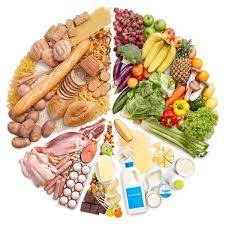
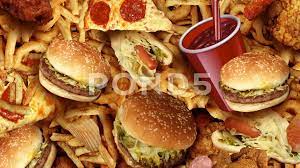
Fast food
Fast food is typically poor in terms of nutrition. fast food tends to contain various substances that are generally unhealthy. It is high in sugar, salt, saturated or trans fats, and many processed preservatives and ingredients. It also lacks some beneficial nutrients .
However, not all fast food has negative impacts, and a person can make an informed choice by researching the nutritional content of particular fast food items. People can find this information on the websites of most major restaurants .
That said, even the more healthy fast food items are generally high in sugar, salt, saturated fats, and trans fats. The Office of Disease Prevention and Health PromotionTrusted Source notes that the typical person in the United States consumes too much of these food components .
12
THANKS FOR WATCHING
14

Published: Feb 23, 2022
Latest Revision: Feb 23, 2022
Ourboox Unique Identifier: OB-1285370
Copyright © 2022

 Skip to content