







The Solar System

Copyright © 2022
Introduction:
This book is targeted for fourth grade students, this book will explain the planets throughout our solar system. The goal of this book is to give students a basic understanding of our solar system by going in depth on each planet.
This book includes:
-
A video explaining the solar system
-
A description of each planet in the solar system
-
A photo of each planet in our solar system
-
A brief explanation of asteroids and light years
-
A description of the sun
Lesson Objectives:
After this lesson, students will be able to..
-
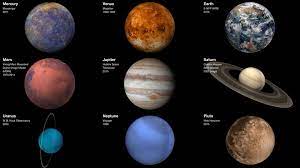
Identify each planet in the solar system by photos.
-
Understand basic facts on each planet in the solar system.
-
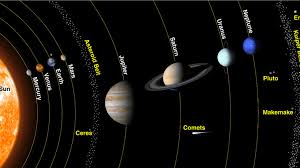
Know the correct order of planets in the solar system starting with the sun.
The Milky Way
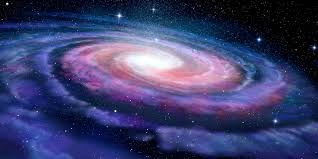
Our solar system is located in the Milky Way. The Milky Way is galaxy is a gigantic collection of stars, dust and clouds of gas. It is one of the billion galaxies in the universe. If you look from above, the Milky Way looks like a giant pinwheel! Can you guess how many planets are in our solar system?
The Sun
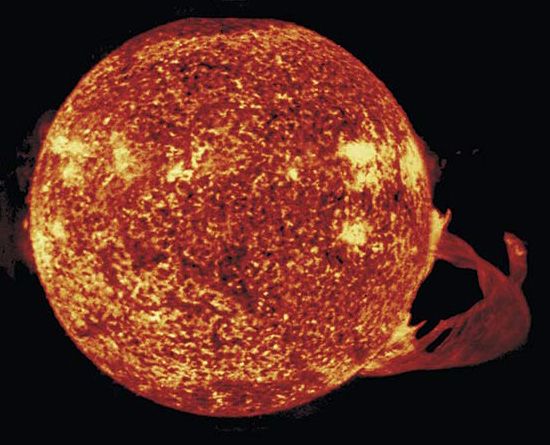
The sun is the star at the center of our solar system. It is a hot ball of gases that gives off a lot of energy. Our life on Earth depends on the sun. In this picture, you can see a huge flare of energy from the sun!
Mercury
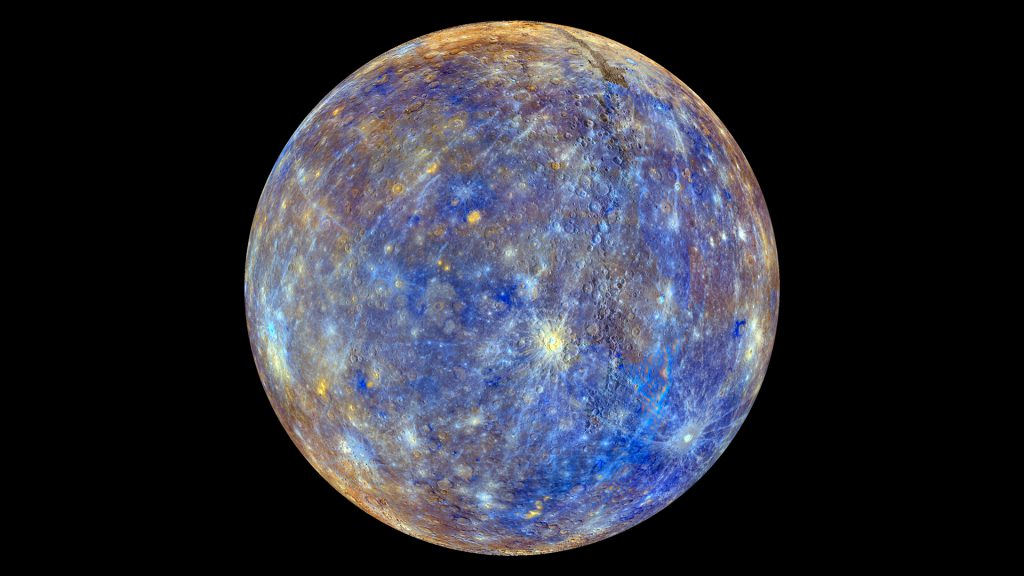
If you guessed 8, you are correct! Mercury is one of the eight planets in the solar system. Mercury is the closest planet to the sun, it is about 36 million miles away from the sun! Mercury is the smallest planet. Mercury travels around the sun faster than any other planet. Mercury does not have a moon. Can you guess which planet comes after Mercury?
Venus
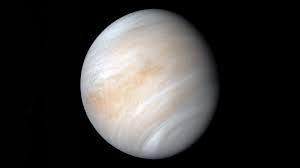
Venus comes next! Venus is located in between Mercury and Earth, Venus is the second planet closest to the sun. Venus is the brightest planet in our solar system, and is the closest planet to Earth. Venus is the hottest planet in the solar system. Venus is about 67 million miles away from the sun. Venus does not have a moon.
Fun Fact: Venus is called Earth’s “sister planet”.
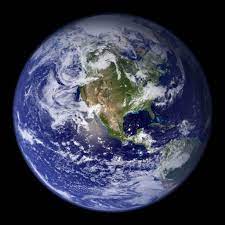
Earth
Earth is the third planet in our Solar System, and the only planet that is known to support life, Earth is our home! Earth’s bodies of oceans take up to 70% of the planet. Earth has one moon, and is 93 million miles from the sun. Earth looks like a bright blue ball from outer space, the blue is our oceans, the green is land and the white is clouds.
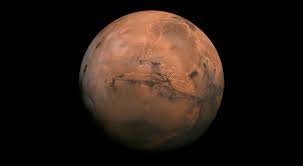
Mars
Mars is one of the planets that travels around the sun in the solar system. It is the fourth planet away from the sun, Earth’s outer neighbor. Mars travels around the Sun at about 142 million miles away from the sun. It has two small, rocky moons, Phobos and Deimos. Some believe that there is or there could be life on Mars, though we have no evidence, it is an idea! Do you think there could be life on Mars?
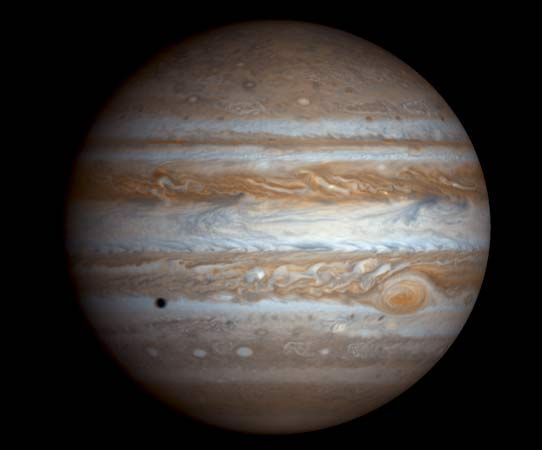
Jupiter
The fifth planet away from the sun is Jupiter. Jupiter is the largest planet in our solar system, it is bigger than all of the other planets put together. Imagine how big that is! Jupiter travels around the Sun at an average distance of about 483 million miles. Jupiter has 67 moons! Wow!
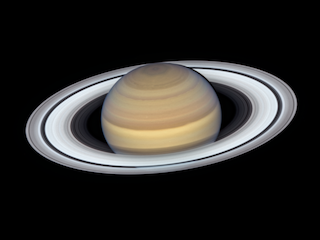
Saturn
Saturn is the second largest planet in the solar system. Saturn is known for its beautiful rings, Saturn is the sixth planet from the sun in our solar system. It travels around the Sun at an average distance of about 890 million miles. Saturn has a total of 62 moons. Imagine seeing 62 moons in the sky, we only see one!
Uranus
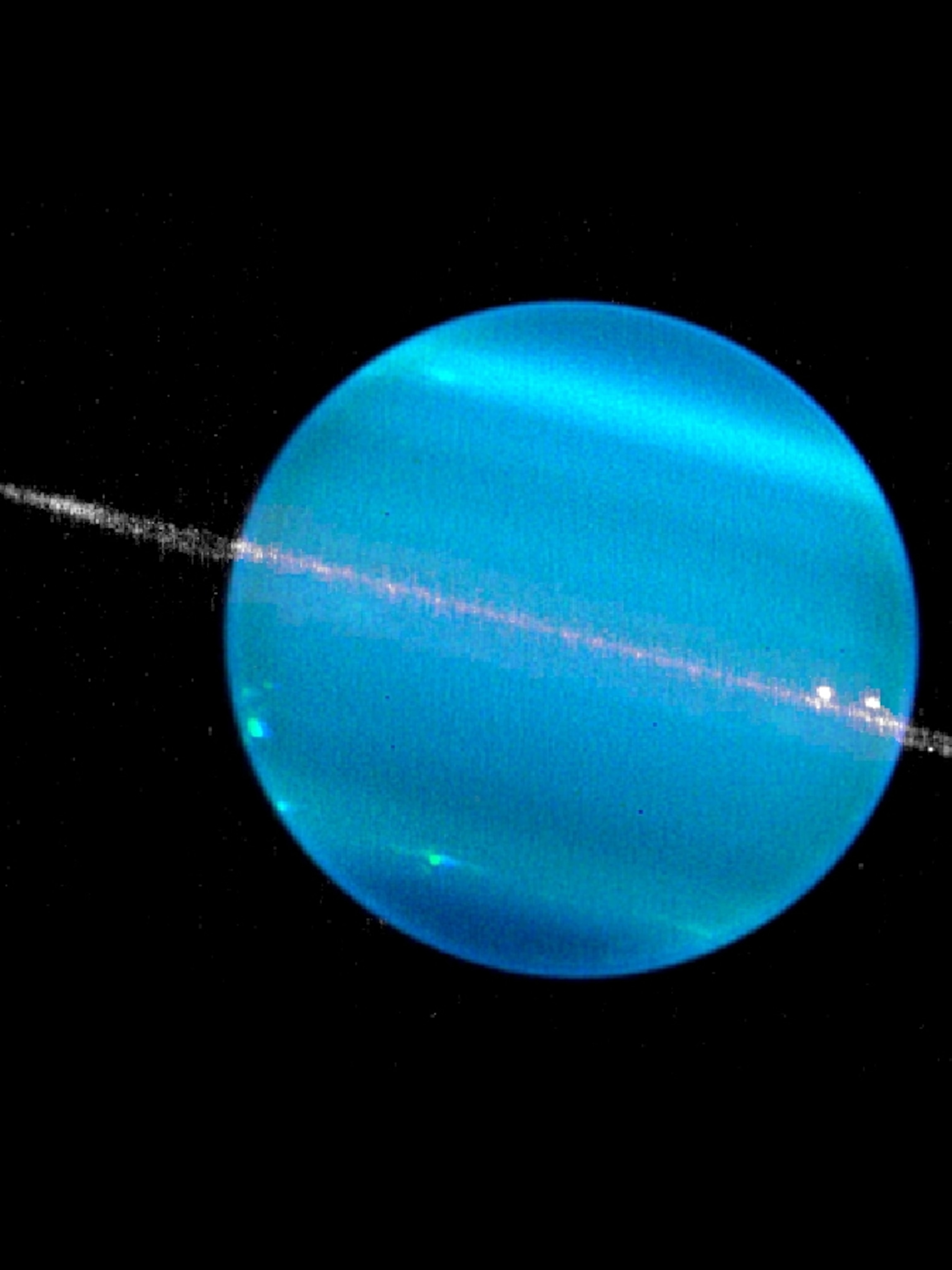
Uranus is the seventh planet in our solar system. Uranus was the first planet to be discovered after the invention of a telescope. Isn’t that crazy? It is one of the furthest planets from Earth but the first to be discovered, wow! Uranus travels around the Sun at an average distance of about 1.8 billion miles. Uranus has 27 moons and is known for its beautiful blue colors.
Fun fact: It rains diamonds on Uranus.
Neptune
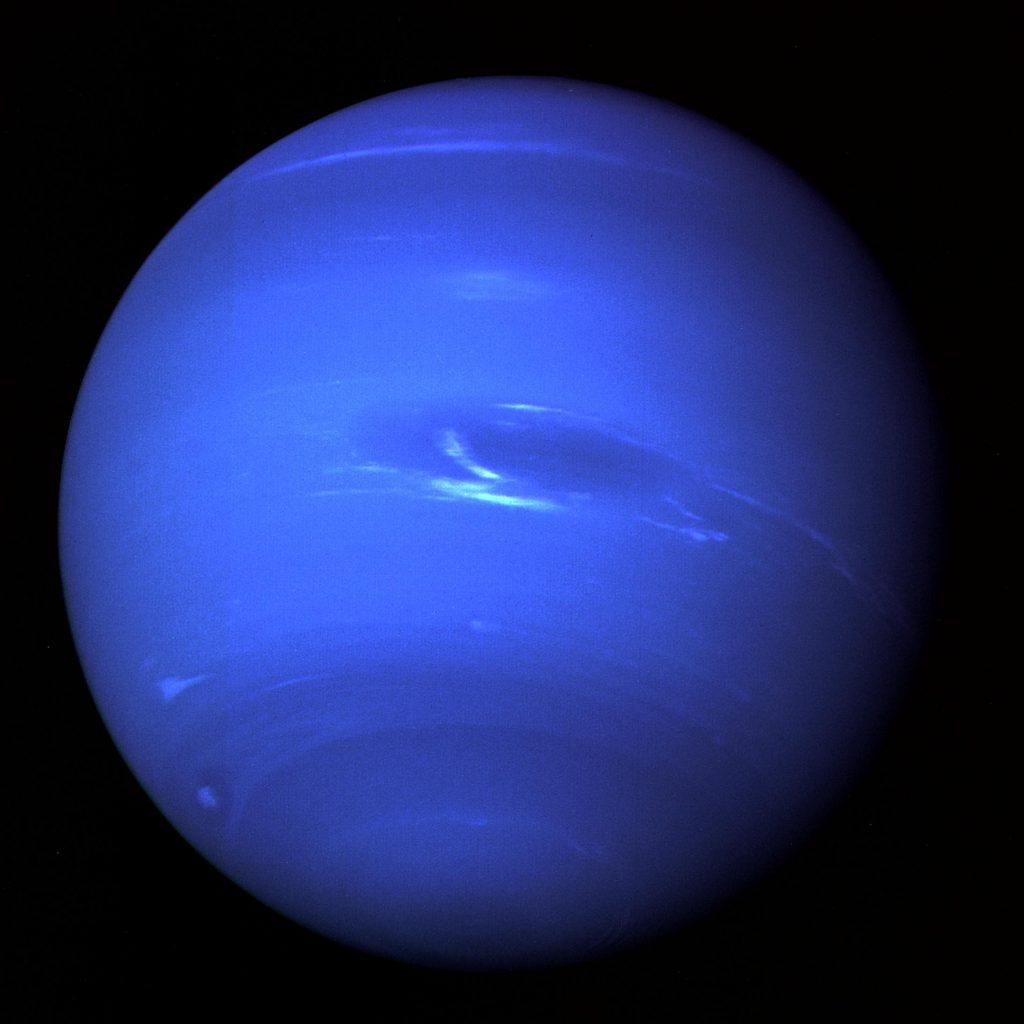
Neptune is the eight planet in our solar system. Neptune is a huge, distant planet with a dark blue color. Neptune is a stormy planet, it has the fastest winds seen in our solar system, it is the coldest planet. Neptune is the farthest planet from the Sun. Neptune has 14 moons. It is about 2.8 billion miles. Neptune is also known to rain diamonds! Out of the 8 planets, which one would you want to visit if you could? Why?
Discussion Questions:
- Which planets rain diamonds?
- How many planets are in our solar system?
- Which planet is Earths “sister planet”?
- Which planet has the most moons?
- Which planets have no moons?
- Which planet is the closest to the sun?
- What is the center of our solar system?
- Where is our solar system located?
- Which is the coldest planet?
- Which is the only planet that we know can support life?

Answers
- Neptune and Uranus
- Eight
- Venus
- Jupiter
- Mercury and Venus
- Mercury
- The sun
- The Milky Way
- Neptune
- Earth
Activity
Pick a planet! Over the next week, you will make a poster that will include a sculpture of the planet and ten facts about the planet. Include photos of the planet. You will have an option of different sized balls and art materials where you can create your planet sculpture during class time, once the sculpture is created, you will create the poster at home. Make sure to include:
- Where the planet is located in the solar system
- The amount of moons of the chosen planet
- An accurate sculpture of the chosen planet
- 10 fun facts
Published: Feb 23, 2022
Latest Revision: Feb 23, 2022
Ourboox Unique Identifier: OB-1285425
Copyright © 2022

 Skip to content