







The Story Behind “Lili Marleen”

Copyright © 2022
The song “Lili Marleen” was written by Hans Leip in 1915 during world war I
Leip was drafted into the German military. He wrote a song from the point of view of a soldier who left his girlfriend, “Lili Marleen”. He describes how Lili is standing under a street light and waiting for her boyfriend to come back from the bloody war.
The soldier already missing his girlfriend and hopes he will stay alive.
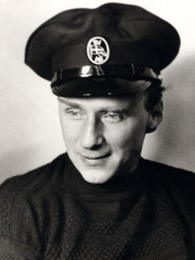
Leip reportedly combined the nickname of his friend’s girlfriend, Lili, with the name of another friend, Marleen.
Lyrics:
Outside the barracks
By the corner light
I always stand and wait for you at night
We will create a world for two
I’ll wait for you, the whole night through
For you, lili Marleen
For you, lili Marleen
beugler tonight, don’t play the call to arms
I want another evening with it’s charms
Then we will say goodbye and pass
I’ll always keep you in my heart
With me, lili Marleen
With me, lili Marleen
מוּל פְּנֵי הַשַּׁעַר
מוּל צְרִיפֵי הַגְּדוּד
שָׁם נִצַּב אֵי פַּעַם
פַּנָּס בְּרֹאשׁ עַמּוּד
אִם שָׁם בַּחוּץ פַּנָּס עוֹד יֵשׁ
שׁוּב לְיָדוֹ עוֹד נִפָּגֵשׁ
כְּמוֹ אָז, לִילִי מַרְלֶן
שְׁנֵי צִלֵּי גּוּפֵנוּ
יֵרָאוּ אֶחָד
עָצְמַת אַהֲבָתֵנוּ
גְּלוּיָה לַכֹּל מִיָּד
אֵיךְ עוֹד נֹאהַב וְנִתְרַגֵּשׁ
יִרְאוּ כֻּלָּם כְּשֶׁנִּפָּגֵשׁ
כְּמוֹ אָז, לִילִי מַרְלֶן
It was set to music by Norbert Schultze in 1938 and recorded by Lale Andersen for the first time in 1939.
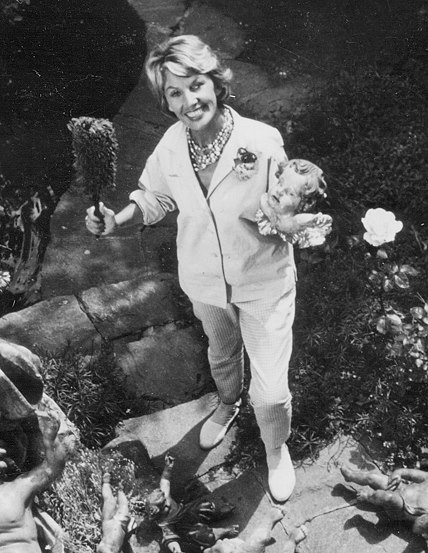
The Nazi propaganda minister Joseph Goebbels disliked the song and initially banned it from the radio, probably because it expresses a preference for staying at home rather than going off to war.
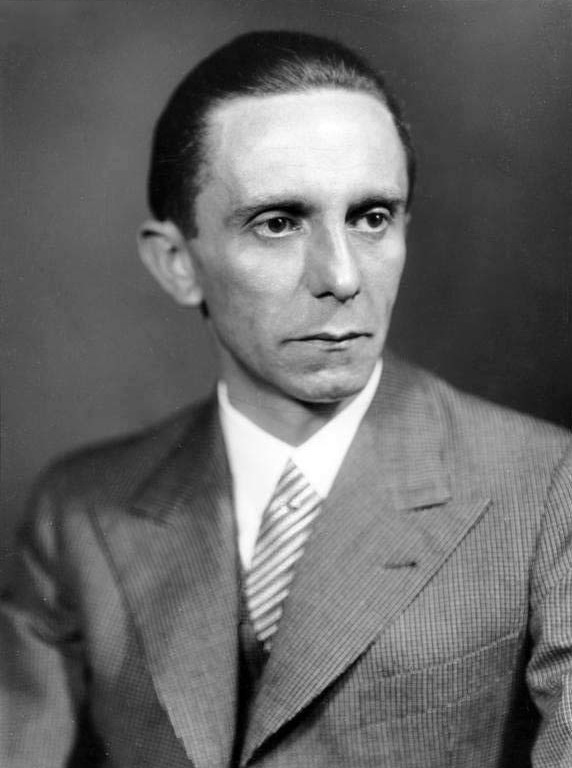
But in 1941 he granted a Belgrade-based radio station in German-occupied Yugoslavia permission to broadcast it. Apparently, Rommel, commander of the German troops in North Africa, liked the song, Goebbels relented, and soon Radio Belgrade (which had a very limited supply of disks available) was playing it every night as their sign-off tune. It quickly became popular with both German and allied forces. Anderson recorded an English version in 1942.
Unintentionally the song united rival armies in the war, British and French forces listened to the song in addition to German troops
Everybody hoped to stay alive and meet their girlfriends back home.
The song became popular in the U.S.A when Marlene Dietrich, a germen movie star who left Germany after the nazi party became the ruling party translated and sang it in English.
Marlene opened her house in the U.S.A for European refugees who escaped the war.

Meet Marlene Dietrich:
During the sixties Dietrich came to visit Israel:
The English version of “Lili Marleen” by Marlene Dietrich:
Watch a part from the movie “Judgment at Nuremberg in 1961
Dietrich begins to sing along with the song
She said: “the german soldier knows he’s going to lose his girl and his life”
The song was translated into Hebrew as well. Listen to Sharon’s Haziz version:
Published: Apr 12, 2022
Latest Revision: Apr 12, 2022
Ourboox Unique Identifier: OB-1311064
Copyright © 2022

 Skip to content