






by Aviv Segev
Copyright © 2022
2rd Year Pedagogy Reflection

Copyright © 2022
In this book, you are about to find out about my journey on my path to becoming a young English teacher. You will read about everything I learned and the knowledge I drew from my lecturer, the field, and classmates.
I invite you to dive with me into my past and future.
At the beginning of the year, I had many pedagogical expectations; I wanted to learn how to teach English from the basics. In the first lesson, our lecturer, Mrs. Jennifer Hoyzman, explained what we would learn during the year, and everything sounded scary. Mrs. Jennifer taught us last year, and I learned a lot from her, so the whole list of “scary” topics that were presented to us at the beginning of the year was a little less scary because I knew she was our lecturer and from her, we would learn the material in the best way.
We started from the basics. We learned how to plan a good lesson, which helped us in “student teaching”. We learned how to present a topic, start a lesson and slowly build the lesson until we get to the topic itself, and finally, we learned how to end the lesson with special and unique techniques that will leave students with a desire to learn more.
A true, good, and responsible teacher needs to know how to reflect on her his work to know what was good in the lesson and what was not, what she he should give up, and what should be added or maintained. That is what our lecturer wanted us to learn to do, to know how to reflect on our lesson and thus improve from lesson to lesson.
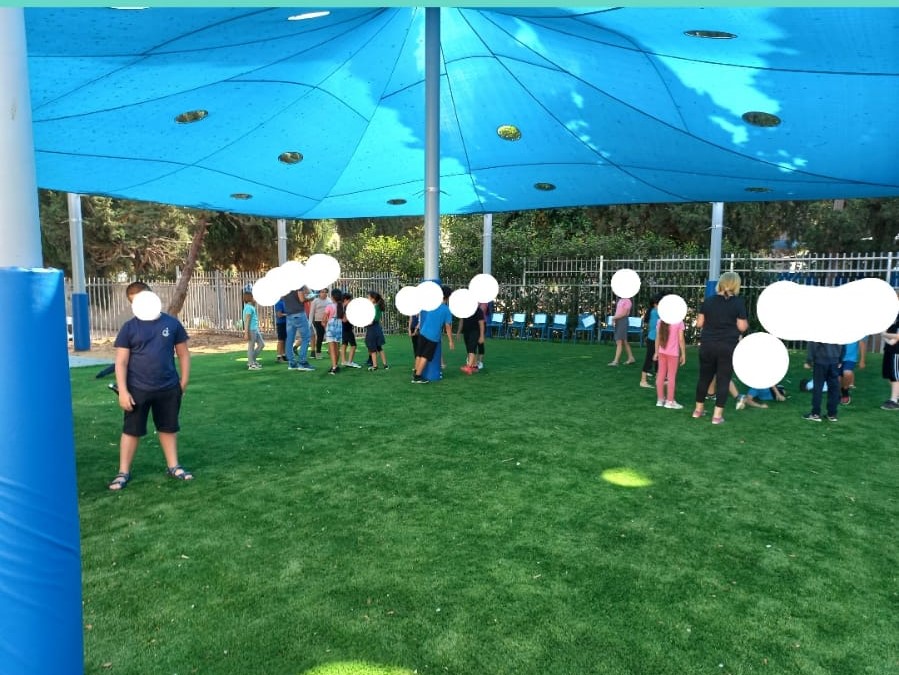
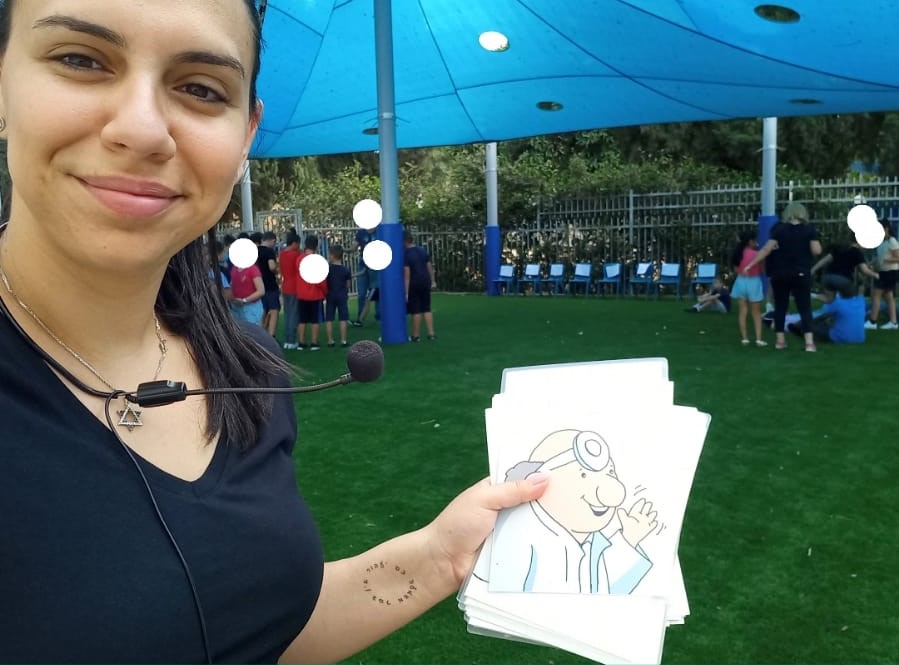
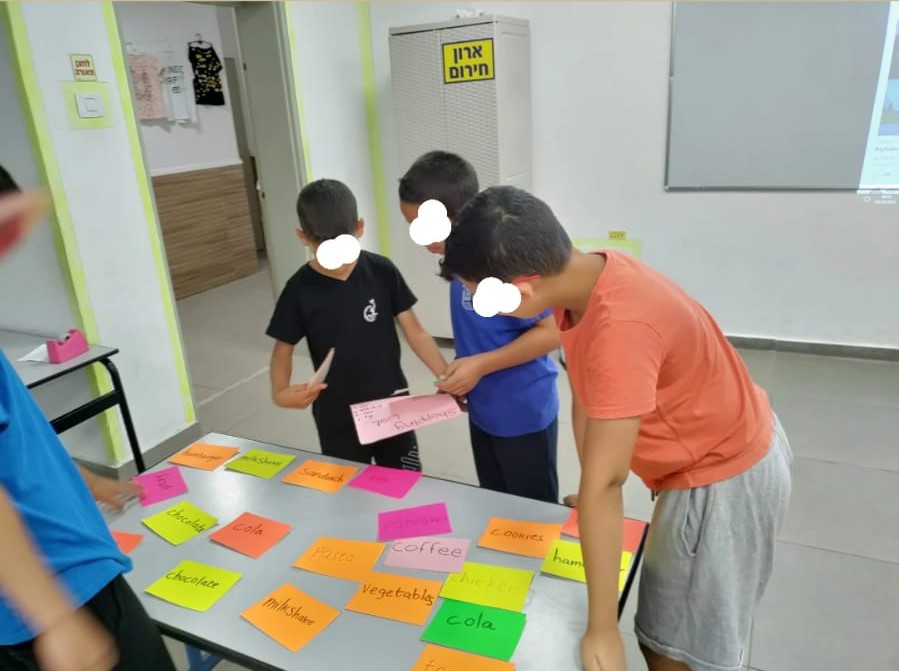
I remember the apprehension I had in the first class of the year when Mrs. Jennifer informed us that next week we were starting to go to school, and she told me a sentence I would never forget: “The water would always be cold.” This sentence accompanied me all year and encouraged me. The truth is that we learned many inspiring sentences from Mrs. Jennifer, and the sentence: “What does not kill you makes you stronger” has become the slogan of our class. We learned from her unique techniques for teaching and planning; for example, we started each lesson with a game after which we had to say its pros and cons, and each game was recorded with us because every game is wonderful for teaching English in class.
At first, it was challenging to plan a lesson in all aspects. Some had a hard time planning a lesson with 45 minutes of content, and some had a hard time planning a lesson in which the content would be exactly 45 minutes and no more. Mrs. Jennifer gave us different techniques, one of which would accompany me for a long time. I can say that this is my favorite technique: plan a lesson and count minutes according to our experience, which is built slowly, but always plan another activity just in case there is time left for the lesson if we have finished doing everything we have planned.
During the year, we worked a lot in groups and learned from each other, we wrote lesson plans, and one said opinion about the other; we improved ourselves and learned from the lecturer’s feedback. We presented to the class our lesson plans that the lecturer found good and meaningful, and we were inspired by some of the ideas. We summarized articles in pairs; each couple summarized a short section and explained it in class. During the year, we read many articles in a fun way. I will use this method in my classroom because we did not have to read a long article alone but only a small part, and that’s how we could express ourselves and also learn how to stand in front of a class. Regarding young students, it encourages them to be able to read, speak, listen, and write by summarizing their part on a page. In addition, this method teaches students to work collaboratively with their partners and encourages a learning and collaborative dialogue between the two.
Pedagogy lessons took place on Tuesdays and on Wednesdays we taught in schools. That means that we learned new techniques, drew ideas, and learned what could be added to our lessons and applied it all the next day in our classrooms. That was significant because everything we learned in class remained fresh in our minds. After all, we had already taught the next day.
During the year, we learned a lot: we learned technological teaching methods, formal teaching methods, different and varied teaching methods, we learned how to combine games and activities in class, and we learned how to regain students’ attention with unique techniques that each student chose the proper method for him and his students. We stumbled upon a simulation center, and we got the opportunity to watch two very significant simulations: one of a second-year student and the other of an experienced teacher for several years who comes from the field every week to study with us. We were at a conference that taught us so much, and the right to choose on our own the lectures that we had to participate in was significant. Each student chose the most appropriate lecture for him or her and a week later our lecturer, Mrs. Jennifer, asked us to tell our classmates about each lecture we attended. Like the article summary method, after the lesson, we felt we had participated in all the lectures.
We learned how to teach whole topics such as reading, listening, writing, and speaking. We learned how to make the material we teach accessible and fun to teach at the same time. For me, the only thing I was missing within the myriad of significant subjects we learned is how to deal with discipline issues in and out of class, i.e., how to best deal with a student who is interfering during the lesson and what are the ways of coping after class. Of course, it is impossible to learn everything in one year, and we are expected to have another two years of learning, but it is a thought that worries me, and I want to know how to deal with the issue of disruptions in class.
All my expectations from the year met the results. I learned a lot, got better, was inspired, and my dream of teaching the future generation intensified. At this point, I would like to thank our pedagogical instructor, Mrs. Jennifer Hoyzman, who taught and accompanied us and did not give up on any student and any topic, was our address, available to us at all times, and always available to listen, give advice, and support.
Published: Jun 14, 2022
Latest Revision: Jun 14, 2022
Ourboox Unique Identifier: OB-1348451
Copyright © 2022

 Skip to content