






BOX OF INSPIRATIONS – International Day of Women and Girls in Science

Copyright © 2023
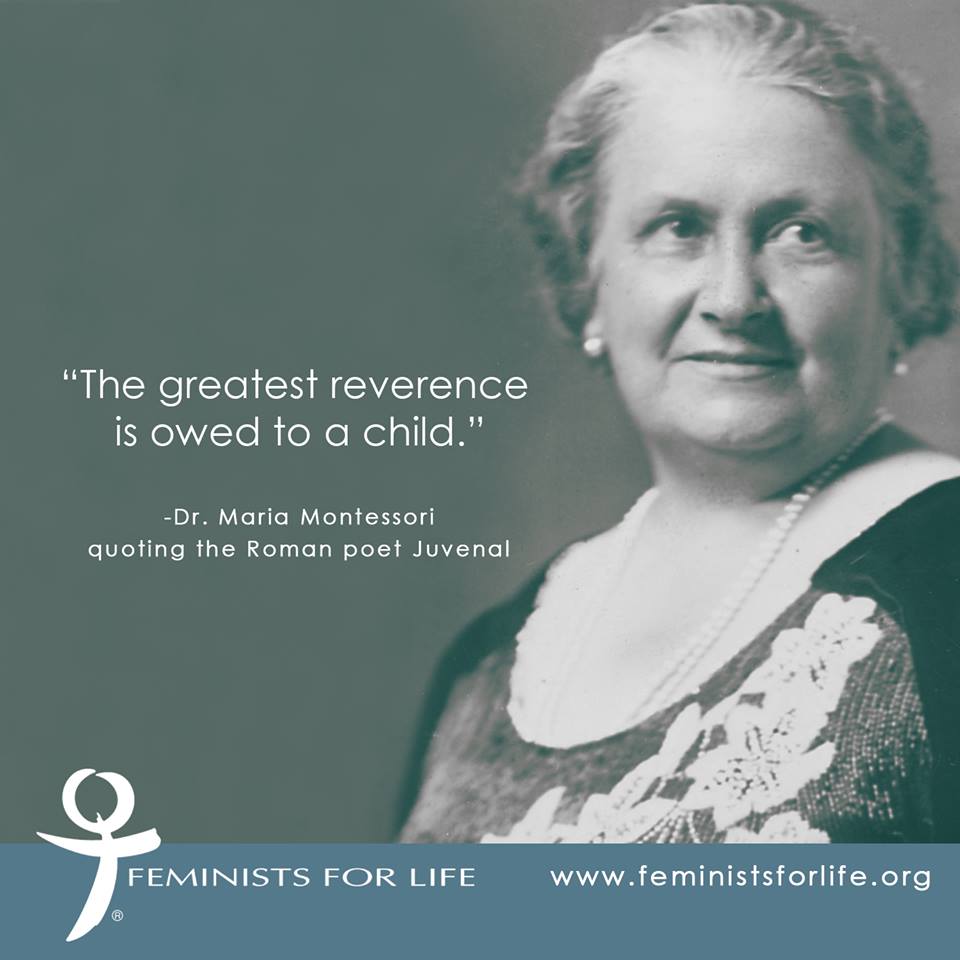
Maria Montessori – HIDIRBEY SECONDARY SCHOOL
Maria Montessori was an Italian physician, educator, and innovator, acclaimed for her educational method that builds on the way children learn naturally.She opened the first Montessori school—the Casa dei Bambini, or Children’s House—in Rome on January 6, 1907. Subsequently, she traveled the world and wrote extensively about her approach to education, attracting many devotees. There are now thousands of Montessori schools in countries worldwide.Maria Montessori was born on August 31, 1870, in the provincial town of Chiaravalle, Italy. Her father was a financial manager for a state-run industry. Her mother, raised in a family that prized education, was well schooled and an avid reader—unusual for Italian women of that time. The same thirst for knowledge took root in young Maria, and she immersed herself in many fields of study before creating the educational method that bears her name.Beginning in early childhood, Maria lived in Rome, growing up in a paradise of libraries, museums, and fine schools.
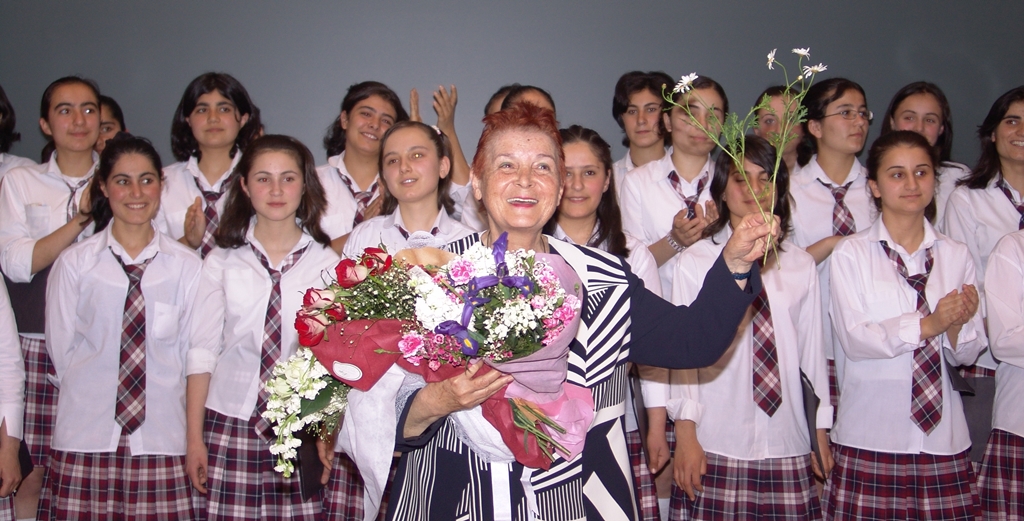
Professor Dr Türkan Saylan – GÜNGÖR CERİT CUMHURİYET İHO SECONDARY SCHOOL
Saylan was born in Istanbul on 13 December 1935, the daughter of a Turkish father, Fasih Galip, and a Swiss mother, Lili Mina Raiman who converted to Islam and changed her name to Leyla after she was married.
After finishing Kandilli Girls High School, Saylan went on to study medicine at the University of Istanbul. During this period, she suffered from spinal tuberculosis, and was forced to spend a year lying face down in bed as she recovered. She graduated from medical school in 1963, still wearing the steel corset for her spine that she had worn for two years.
Saylan specialised in diseases of the skin and became one of the first female dermatologists in Turkey. Her professional life started at the University of Istanbul School of Medicine in 1968. Four years later she was made Associate Professor, before becoming a Professor in 1977.
She began working with leprosy in 1976, and founded the Turkish Leprosy Relief Association and in 1981 the Istanbul Leprosy Hospital, working voluntarily as director at the hospital until she retired in 2002. She spearheaded both medical research and humanitarian projects in leprosy, and went on to work as a consultant in leprosy for the World Health Organisation (WHO).
Under her direction, the Istanbul Leprosy Hospital expanded to include an outpatient clinic, specialised eye care, a shoe workshop, surgery, physiotherapy and dental units serving both inpatients and outpatients. In 1986, she was awarded the International Gandhi Award for her work with leprosy.
Alongside her leprosy work, Saylan became a strong advocate for secularism and women’s rights in Turkey. In 1989, together with Turkish psychiatrist and professor Aysel Ekşi she established ÇYDD, a charitable foundation devoted to promoting women’s rights, education, and the modernisation principles of Mustafa Kemal Atatürk.
Tens of thousands of people turned out for Türkan Saylan’s funeral in Istanbul on 19 May 2009.
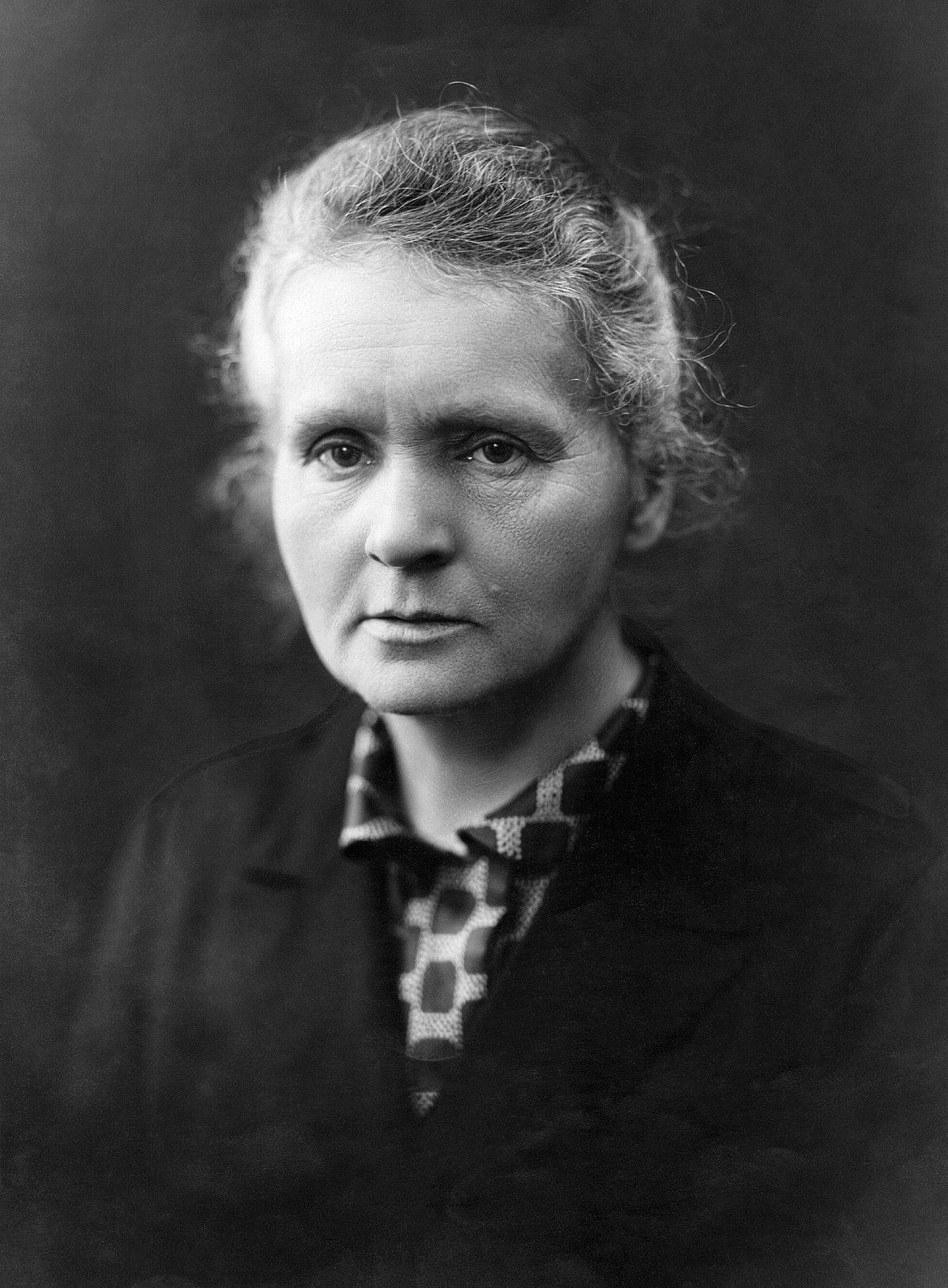
Marie Curie – ŞEHİT AHMET ÇAMUR IHO
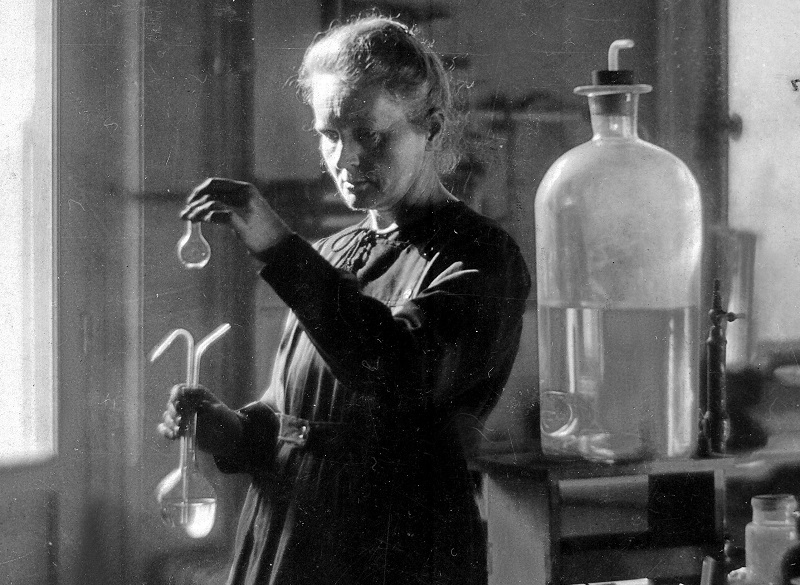
Marie Curie was a Polish-French scientist who won two Nobel prizes. Her work focused on radioactivity, which is a property of some chemical elements. (Radioactive elements give off unending rays of energy.) She was born Maria Salomea Sklodowska on November 7, 1867. Her parents were teachers who valued education. But women in Poland could not get university degrees. So, Maria and her sister, Bronislawa, saved enough money to study in France. In 1891 Maria entered the Sorbonne, a university in Paris. She began calling herself Marie. Within three years, Marie completed degrees in physics and math. She began working with a French scientist, Pierre Curie, whom she married in 1895. The Curies had two daughters, Irène and Ève. In 1896 a French scientist named Henri Becquerel discovered the unusual rays of energy given off by the element uranium. Marie began studying the phenomenon, which she named radioactivity. In 1898 the Curies announced their discovery of radium and polonium. They named polonium after Marie’s homeland of Poland. In 1903 the Curies shared the Nobel Prize for Physics with Becquerel. After Pierre died in 1906, Marie carried on their research. She also became the first woman professor at the Sorbonne. In 1911 she won the Nobel Prize for Chemistry for isolating pure radium. During World War I, Marie helped to build a car that carried X-ray equipment to doctors treating wounded soldiers. After the war, Marie continued her study of radioactive substances and their use in medicine. Her Radium Institute in Paris became an important center of scientific research. Marie did not realize that working with radioactive material could make her ill. She died of leukemia, a type of cancer, on July 4, 1934.
JANE AUSTEN- UZUNBAĞ SECONDARY SCHOOL
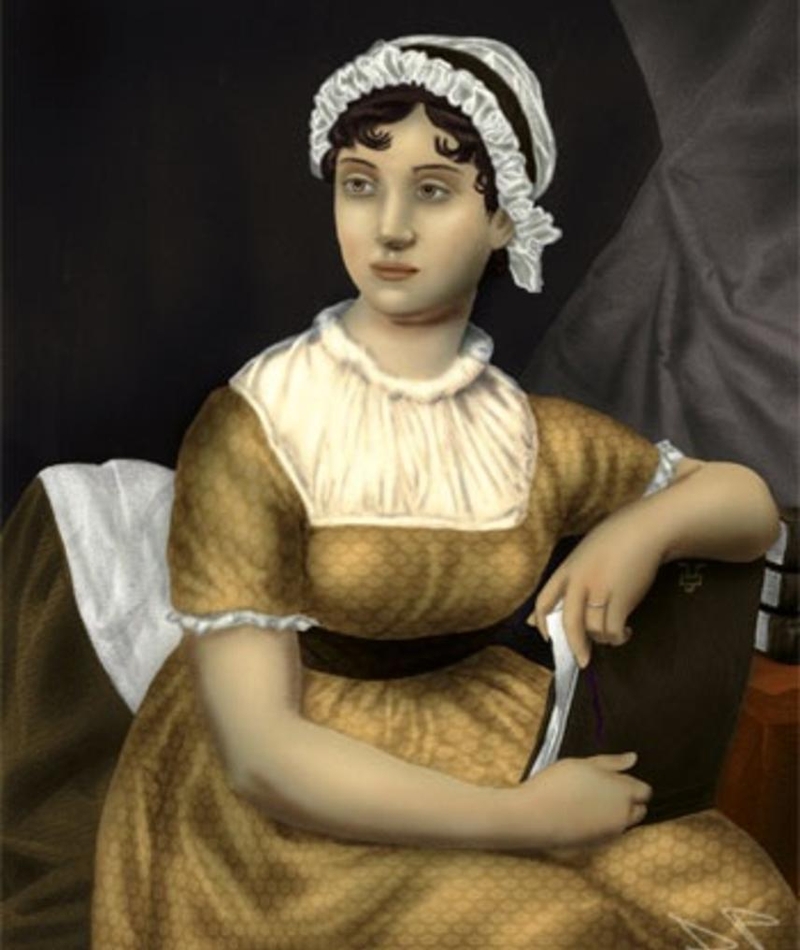
Jane Austen was a great woman novelist of the early 19th century. Jane was born on 16 December 1775 in Steventon Rectory. She was the second daughter of The Reverend George Austen and his wife Cassandra. Apart from her older sister, also called Cassandra Jane also had 6 brothers.
In 1783 Jane and her sister were sent to boarding school. While at school they both caught a fever (possibly typhus) and Jane nearly died. Jane Austen left school in 1786.
Even as a child Jane Austen loved writing and she wrote a lot of short stories called the Juvenilia. About 1795 she wrote a novel called Elinor and Marianne. In the years 1796-97, Jane Austen wrote another novel called First Impressions. It was later published as Pride and Prejudice. Then in 1798-99, Jane wrote a novel named Susan. It was published posthumously as Northanger Abbey in 1817.
In 1801 Jane Austen moved with her sister and parents to Bath. Jane Austen was a tall, slim woman. In 1802 she received a proposal of marriage from a man named Harris Bigg-Wither. At first, Jane accepted but she quickly changed her mind. Jane Austen never married. Her father George Austen died in 1805.
In 1807 Jane Austen moved to Southampton. She lived there until 1809. At that time Southampton was a flourishing port and town with a population of over 8,000. However, in 1809 Jane Austen moved to the little village of Chawton in north Hampshire.
Then in 1811 Sense and Sensibility was published. Pride and Prejudice was published in 1813. Mansfield Park was published in 1814. Another book called Emma followed in 1816. Meanwhile, Jane Austen wrote Persuasion but she died before it could be published. It was published posthumously in 1817.
Jane Austen died on 18 July 1817. Jane was only 41 years old. She was buried in Winchester Cathedral.
CANAN DAĞDEVİREN – FATİH SECONDARY SCHOOL
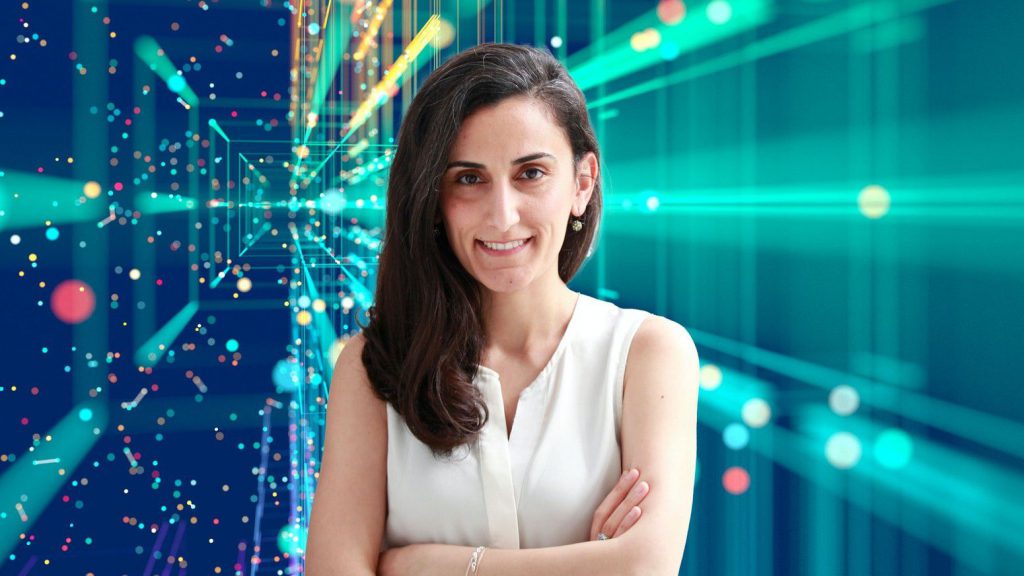
Canan Dağdeviren (born May 4, 1985) is a Turkish academic, physicist, material scientist, and assistant professor at the Massachussets Institue of Technology (MIT), where she currently holds the LG Career Development Professorship in Media Arts and Sciences. Dagdeviren is the first Turkish scientist in the history of the Harvard Society to become a Junior Fellow at Harvard University.As a faculty member, she directs her own Conformable Decoders research group at the MIT media lab.The group works at the intersection of materials science, engineering and biomedical engineering. They create mechanically adaptive electromechanical systems that can intimately integrate with the target object of interest for sensing, actuation, and energy harvesting, among other applications. Dagdeviren believes that vital information from nature and the human body is “coded” in various forms of physical patterns. Her research focuses on the creation of conformable decoders that can “decode” these patterns into beneficial signals and/or energy.
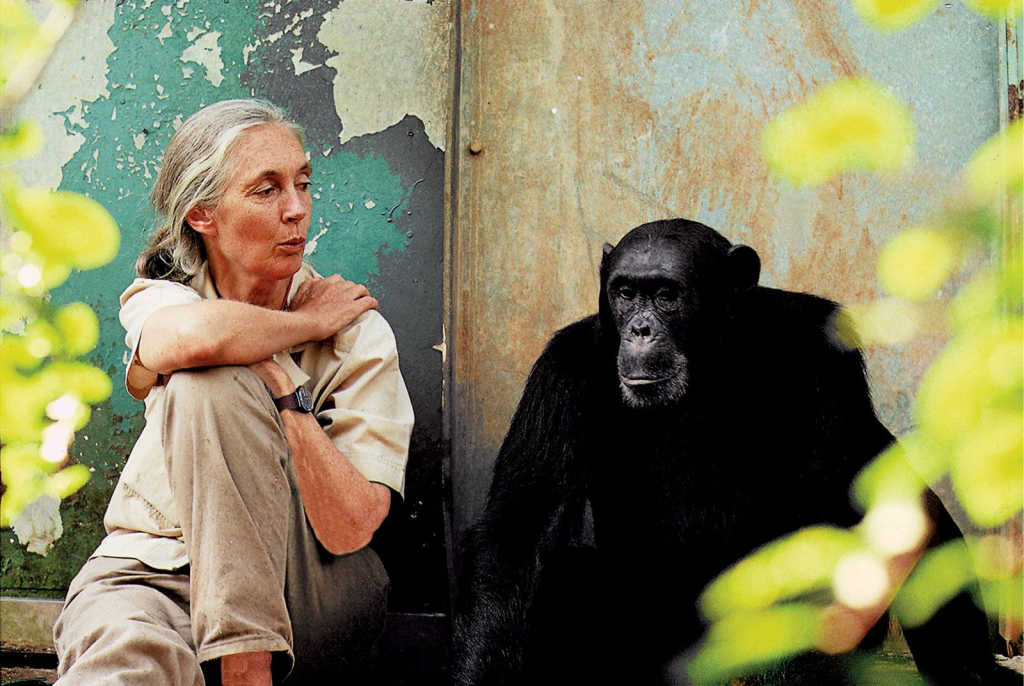
JANE GOODALL – Jurbarkas Naujamiestis Progymnasium, Lithuania
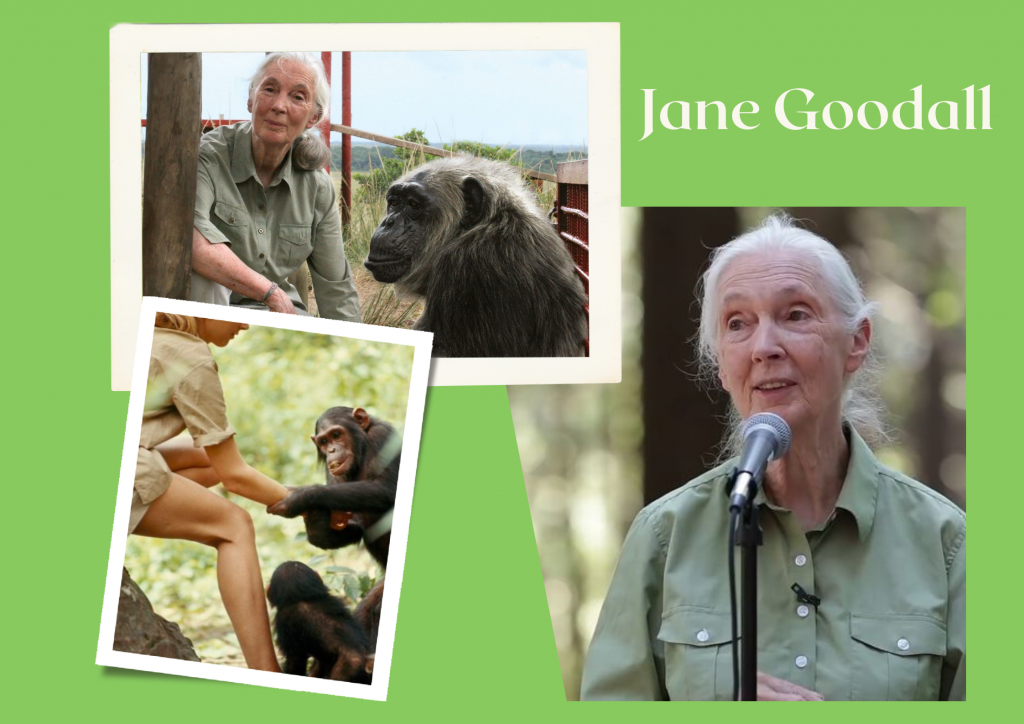
Jane Goodall, in full Dame Jane Goodall, original name Valerie Jane Morris-Goodall, (born April 3, 1934, London, England), British ethologist, known for her exceptionally detailed and long-term research on the chimpanzees of Gombe Stream National Park in Tanzania. She was interested in animal behaviour from an early age. She worked as a secretary and as a film production assistant until she gained passage to Africa. Once there, Goodall began assisting paleontologist and anthropologist Louis Leakey. Her association with Leakey led eventually to her establishment in June 1960 of a camp in the Gombe Stream Game Reserve (now a national park) so that she could observe the behaviour of chimpanzees in the region.
Goodall remained in Gombe until 1975, often directing the fieldwork of other doctoral candidates. In 1977 she cofounded the Jane Goodall Institute for Wildlife Research, Education and Conservation (commonly called the Jane Goodall Institute) in California. She also created various other initiatives, including Jane Goodall’s Roots & Shoots (1991), a youth service program.
Over the years Goodall was able to correct a number of misunderstandings about chimpanzees. She found, for example, that the animals are omnivorous, not vegetarian; that they are capable of making and using tools; and, in short, that they have a set of hitherto unrecognized complex and highly developed social behaviours. Goodall wrote a number of books and articles about various aspects of her work, notably In the Shadow of Man (1971). She summarized her years of observation in The Chimpanzees of Gombe: Patterns of Behavior (1986). Goodall continued to write and lecture about environmental and conservation issues into the early 21st century. In 2002 she became a UN Messenger of Peace.
The recipient of numerous honours, Goodall was created Dame Commander of the Order of the British Empire (DBE) in 2003. She also was awarded the 2021 Templeton Prize and the 2022 Stephen Hawking Medal for Science Communication. Jane, a documentary about her life and work, appeared in 2017.
Today, Dr. Jane Goodall, aged 88, travels around the world, writing, speaking and spreading hope through action, encouraging each of us to “use the gift of our life to make the world a better place.“
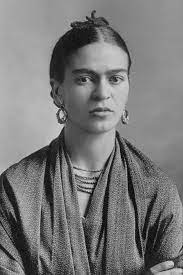
FRIDA KAHLO –ÖZENGİLİ SECONDARY SCHOOL
Magdalena Carmen Frida Kahlo y Calderón (6 July 1907 – 13 July 1954), usually known as Frida Kahlo, was a Mexican Painter. She was known for her surreal and very personal works. She was married to Diego Rivera, also a well-known painter.
She was born in Coyoacan, Mexico. She had polio that left her disablaed when she was 6 years old and some think that she may have had spina bifida (a birth defect affecting the development of part of the spine) as well. She studied medicine and was going to become a doctor. Because of a traffic accident in a tram at age 18 which badly injured her, she had periods of severe pain for the rest of her life. After this accident, Kahlo no longer continued her medical studies but took up painting. She used ideas about things that had happened to her. Her paintings are often shocking in the way they show pain and the harsh lives of women, especially her feelings about not being able to have children. Fifty-five of her 143 paintings are of herself. She was also influenced by native Mexican culture, shown in bright colors, with a mixture of realism and symbolism. Her paintings attracted the attention of the artist Diego Rivera, whom she later married.
Kahlo’s work is sometimes called “surrealist”, and although she organized art shows several times with European surrealists, she herself did not like that label. Her attention to female themes, and the honesty in her painting them, made her something of a feminist cult figure in the last decades of the 20th century. Some of her work is seen at the Frida Kahlo Museum, found in her birthplace and home in suburban Mexico City
Published: Jan 29, 2023
Latest Revision: Feb 5, 2023
Ourboox Unique Identifier: OB-1411938
Copyright © 2023

 Skip to content