






by harun
Copyright © 2023
her auto showroom

Copyright © 2023
why should we by a car?
A new buyer’s first step is to determine the sort of vehicle they need, and their budget.
Selection takes some thought. A small sports car might work for a single person or couple, but not if they’re planning on starting a family. A large SUV might be great for camping and road-tripping with friends, but isn’t likely to be much fun when it comes time to fuel up, pay for insurance, or find street parking.
“Think about your actual needs, how long your commute is, how much you have to carry, and if you actually enjoy driving and might want something sporty,” said Ronald Montoya, the senior consumer advice editor and content strategist at Edmunds. “Avoid overbuying – you can probably get by with a smaller vehicle for most of your needs, and just rent something bigger once or twice a year, when you really need it.”

what is the classics car?
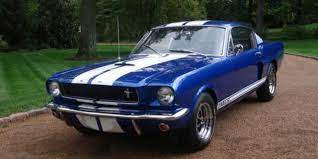
There is no fixed definition of a classic car. They are usually older cars, typically 25 years or older, though definitions vary. A common theme is of an older car of historical interest to be collectible and tend to be restored rather than scrapped, though sometimes age is not a factor. Classic cars are often considered a subset of a broader category of “collector cars” (which includes both restored classic cars vehicles and newer exotic vehicles). A subset of what is considered classic cars are known as antique cars (manufactured before 1980) or vintage cars (manufactured pre-World War II).
Organizations such as the Classic Car Club of America (CCCA) maintain lists of eligible unmodified cars that are called “classic”. These are described as “fine” or “distinctive” automobile, either American or foreign built, produced between 1915 and 1948.
Post-World War II “classic cars” are not precisely defined and the term is often applied to any older vehicle.
Ferdinand Verbiest, a member of a Jesuit mission in China, built a steam-powered vehicle around 1672 as a toy for the Kangxi Emperor. It was small-scale and could not carry a driver but it was, quite possibly, the first working steam-powered vehicle.
Steam-powered self-propelled vehicles large enough to transport people and cargo were first devised in the late 18th century. Nicolas-Joseph Cugnot demonstrated his fardier à vapeur (“steam dray”), an experimental steam-driven artillery tractor, in 1770 and 1771. As Cugnot’s design proved to be impractical, his invention was not developed in his native France. The center of innovation shifted to Great Britain. By 1784, William Murdoch had built a working model of a steam carriage in Redruth and in 1801 Richard Trevithick was running a full-sized vehicle on the roads in Camborne.

Published: Dec 1, 2023
Latest Revision: Dec 1, 2023
Ourboox Unique Identifier: OB-1521888
Copyright © 2023

 Skip to content