






Zone of Proximal Development

Copyright © 2024
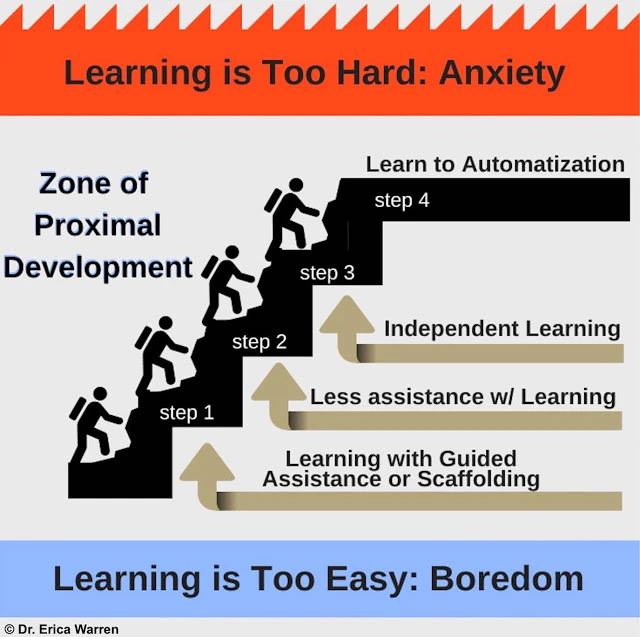
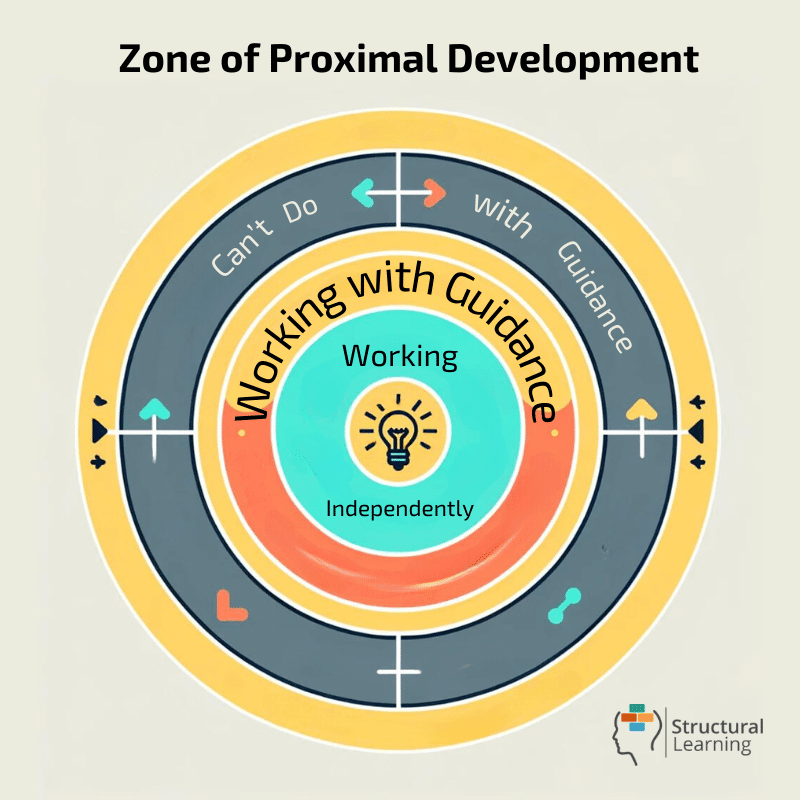
Vygotsky’s Zone of Proximal Development (ZPD) is a concept describing the difference between what a learner can do independently and what they can achieve with guidance or collaboration. In other words, the ZPD is the “sweet spot” for learning, where students are challenged just beyond their current abilities but still have the potential to succeed with support from a more knowledgeable individual, such as a teacher, mentor, or peer.
According to Vygotsky, learning occurs most effectively within this zone because it represents tasks that are within reach if the learner receives the right support. This support can come in the form of guidance, hints, encouragement, or examples, and is often referred to as “scaffolding.” As the learner progresses, the support is gradually removed, allowing them to perform the task independently.
In educational practice, ZPD is used to tailor instruction to each learner’s current level of understanding and to provide just enough challenge to stimulate growth without causing frustration.
Published: Oct 28, 2024
Latest Revision: Oct 28, 2024
Ourboox Unique Identifier: OB-1622503
Copyright © 2024

 Skip to content