






Mrs. Robinson

Copyright © 2025
Mrs. Robinson: A Cultural Icon of the 1960s
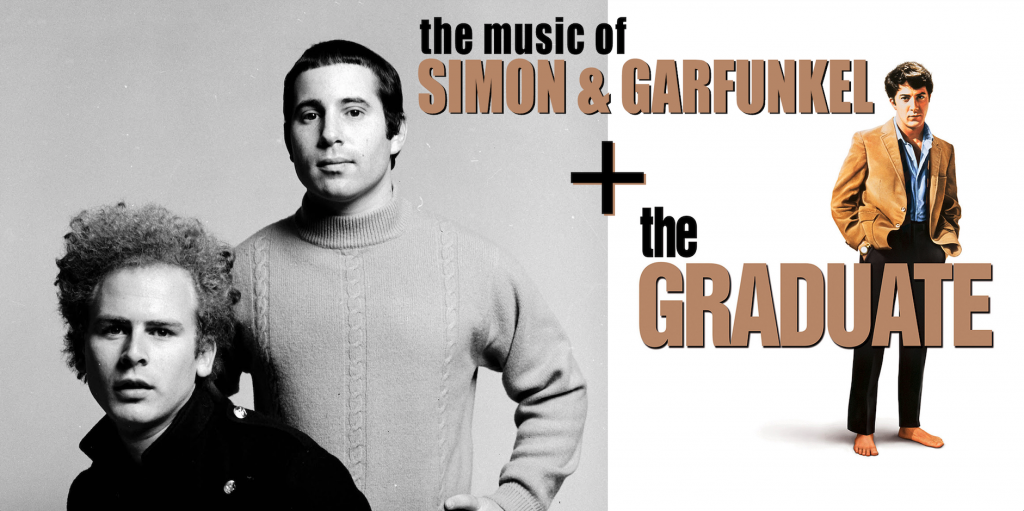
This e-book explores the enduring legacy of “Mrs. Robinson,” a song that became emblematic of the 1960s. Written by Paul Simon and performed by the folk-rock duo Simon & Garfunkel, the track gained prominence through its association with the film The Graduate. We’ll delve into the artists’ background, the song’s creation and themes, its chart success and accolades, notable covers, and some of its appearances in film and television.
About Simon & Garfunkel
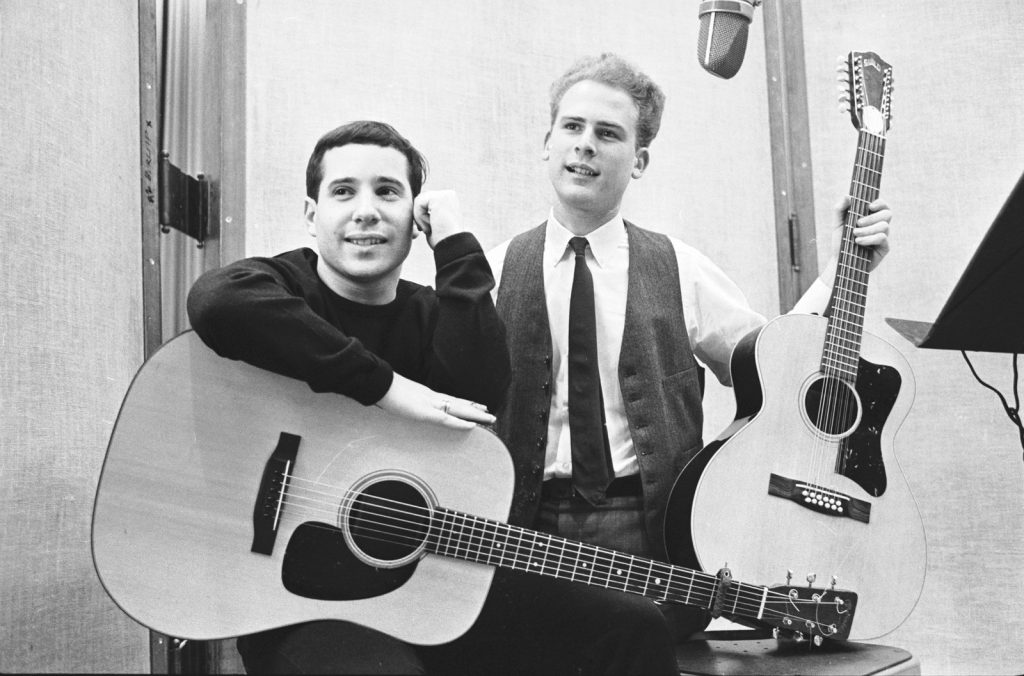
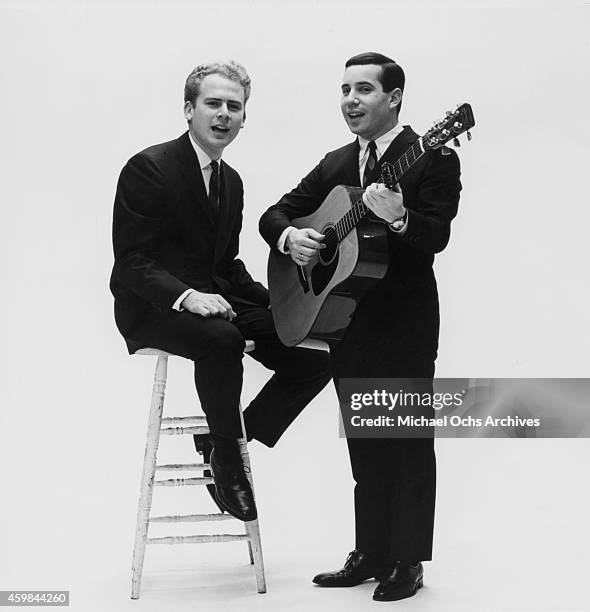
Simon & Garfunkel were an American folk-rock duo consisting of Paul Simon and Art Garfunkel. Emerging in the 1960s, they became known for their harmonious vocals and introspective lyrics. Their music captured the zeitgeist of a generation grappling with social change and personal introspection.
The Song “Mrs. Robinson”
Originally conceived as “Mrs. Roosevelt,” the song was adapted for The Graduate after director Mike Nichols requested music from the duo. The full version was later released on their 1968 album Bookends. The song’s lyrics reference cultural figures like Joe DiMaggio and include the memorable phrase “coo-coo-ca-choo,” echoing the Beatles’ “I Am the Walrus” .
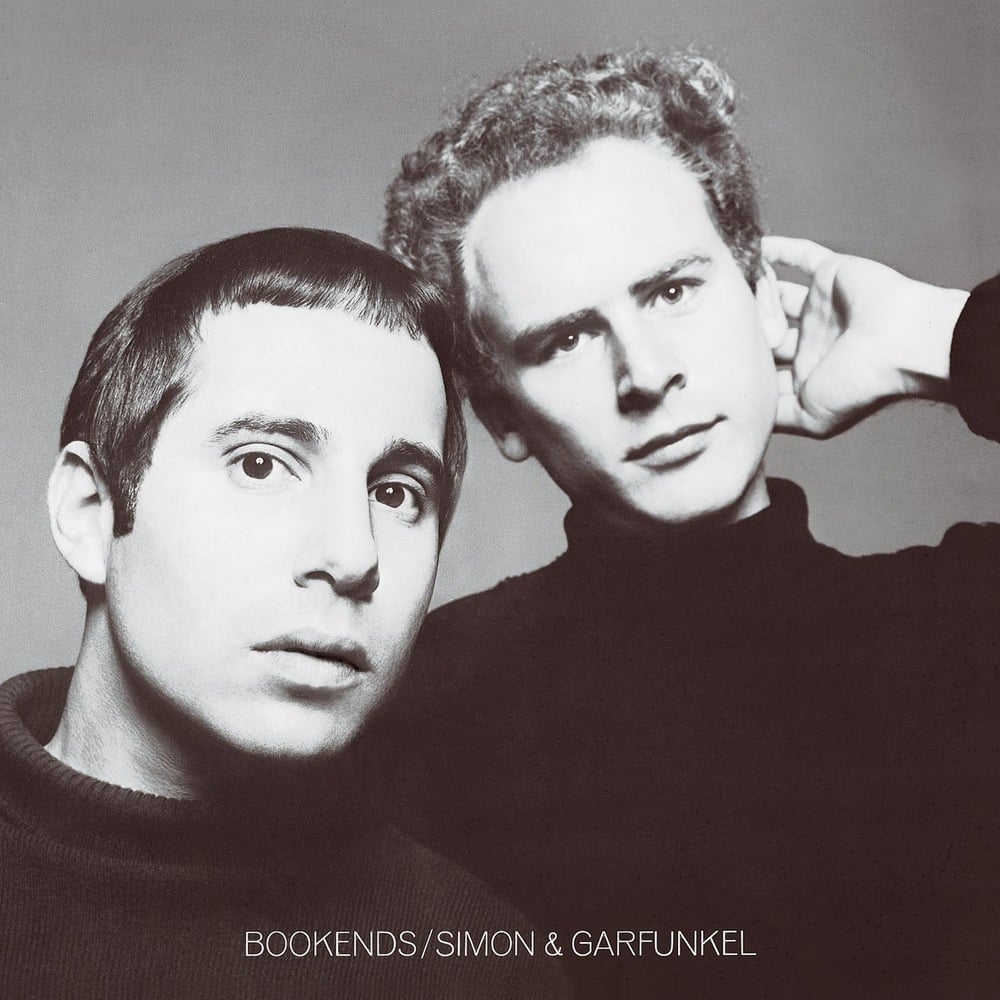
Chart Performance and Awards
“Mrs. Robinson” achieved significant commercial success:
-
Billboard Hot 100: Reached No. 1 in 1968 .
-
UK Singles Chart: Peaked at No. 4 .
The song garnered critical acclaim, winning two Grammy Awards in 1969:
-
Record of the Year: First rock song to receive this honor.
-
Best Contemporary-Pop Performance – Vocal Duo or Group .
In 1999, it was inducted into the Grammy Hall of Fame.
Cultural Impact and Covers
“Mrs. Robinson” has been covered by various artists, including:
-
Frank Sinatra: Offered his rendition of the song.
-
The Lemonheads: Their 1992 cover introduced the song to a new generation and was featured in the film The Wolf of Wall Street (2013) .
The song’s inclusion in The Graduate significantly contributed to its popularity, with the film’s soundtrack becoming a defining element of its success.
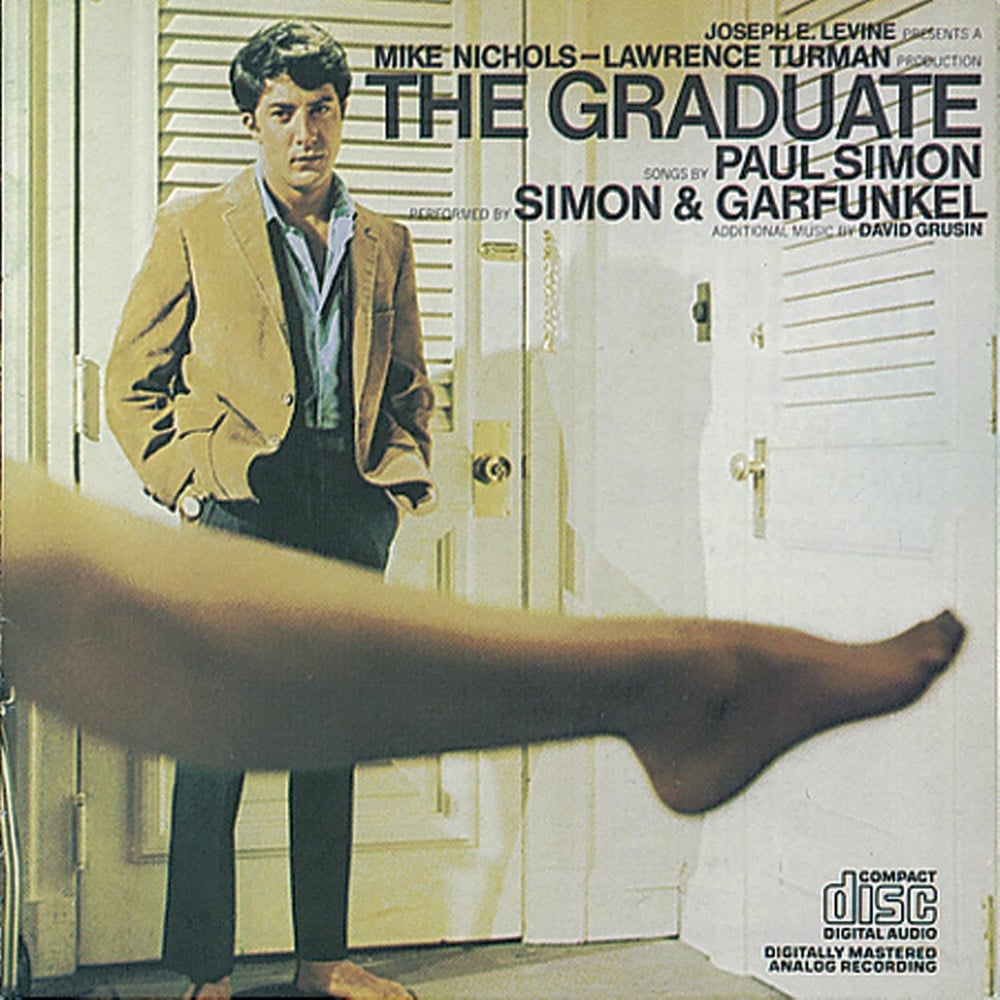
The Graduate (1967)
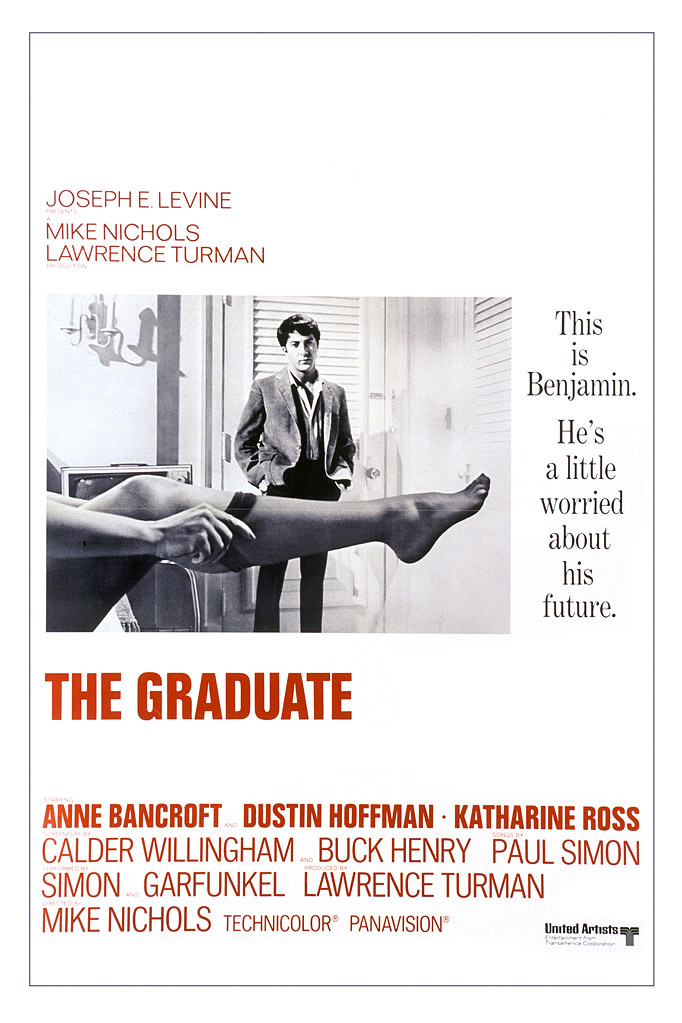
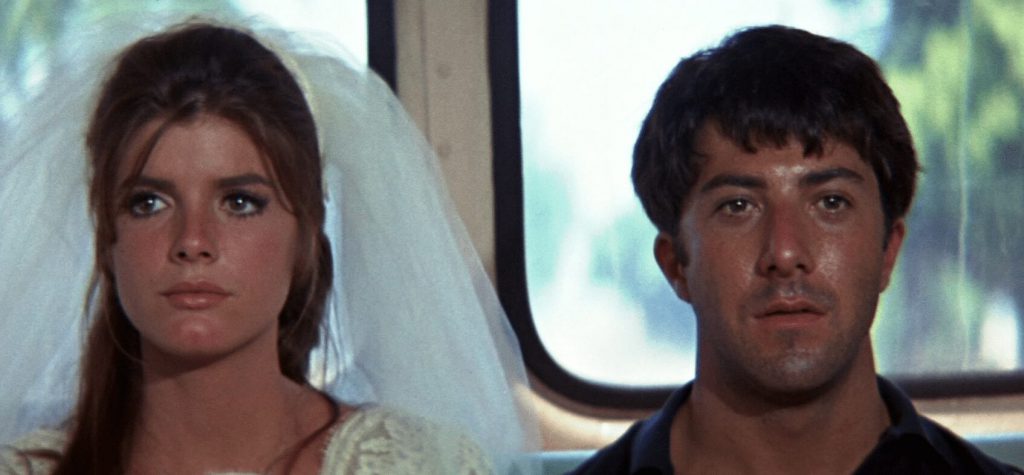
The Graduate is a landmark American film directed by Mike Nichols and starring Dustin Hoffman, Anne Bancroft, and Katharine Ross. The story follows Benjamin Braddock, a recent college graduate who finds himself disillusioned and directionless. He is seduced by an older woman, Mrs. Robinson, only to fall in love with her daughter.
The film explores themes of alienation, generational conflict, and rebellion against societal expectations, capturing the spirit of youth discontent in the 1960s.
The Role of “Mrs. Robinson” in the Film
At the time, Simon & Garfunkel had already been approached by director Mike Nichols to contribute music to the soundtrack. While “Mrs. Robinson” was not fully written when the film was in production, Nichols heard an early version and loved it.
-
A fragmentary version of “Mrs. Robinson” was used throughout the film, including in instrumental form.
-
The full studio version of the song wasn’t released until 1968, on the Bookends album.
The song’s inclusion—alongside others like “The Sound of Silence” and “Scarborough Fair”—helped define the movie’s emotional tone and modern feel, which was unusual for mainstream cinema at the time.
Why the Connection Matters
“Mrs. Robinson” elevated the film’s cultural impact and vice versa:
-
The song helped turn The Graduate into a youth anthem of the late ’60s.
-
The film, in turn, catapulted the song to fame, even before its full release.
-
The character of Mrs. Robinson became an iconic symbol of seduction, cynicism, and female power.
Together, the film and the song created one of the first major integrations of pop music into cinema in a way that served both narrative and mood—not just as background but as thematic commentary.
Conclusion
“Mrs. Robinson” stands as a testament to the power of music in capturing and influencing cultural moments. Its blend of catchy melodies and poignant lyrics resonated with audiences, cementing its place in music history. The song’s enduring appeal lies in its ability to evoke the complexities of its era while remaining relevant to contemporary listeners.
Thank you!
Published: Jun 13, 2025
Latest Revision: Jun 13, 2025
Ourboox Unique Identifier: OB-1671617
Copyright © 2025

 Skip to content