






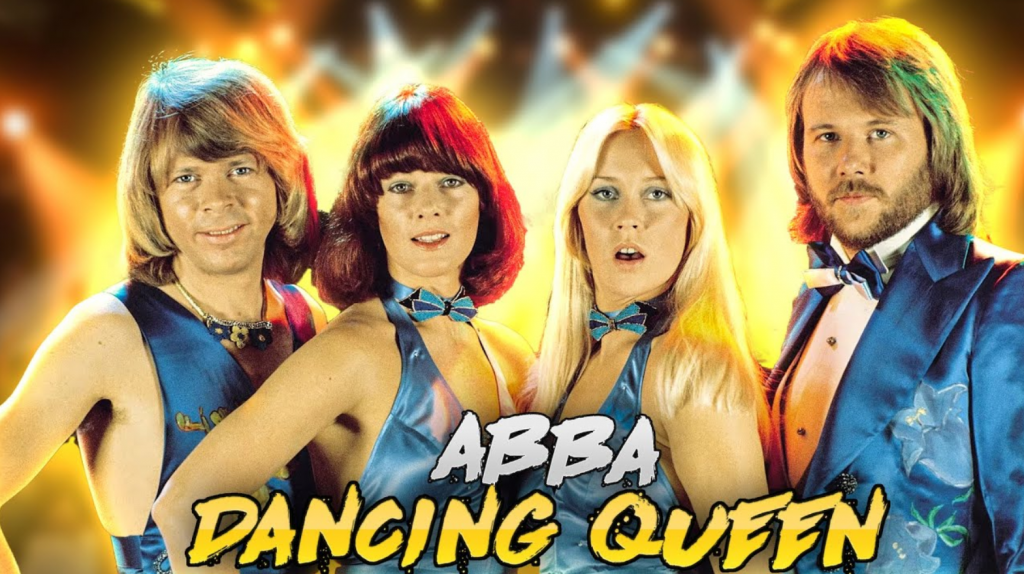
“Dancing Queen”- ABBA

Copyright © 2025
“See that girl, watch that scene”…..
If while reading this sentence you’ve completed it in your mind- you probably know the song “Dancing queen” by ABBA.
Not only is it one of ABBA’s big hits, its cultural significant is still relevant to this day.
“Dancing queen” is one of the most iconic songs by abba,
its uplifting beat and lyrics combined with a pinch of nostalgic melody are probably why this song so memorable.
in this E- book I will elaborate on this song’s effects and importance.
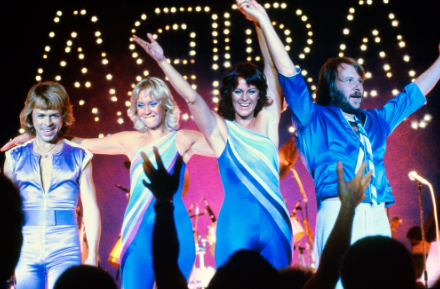
History of the Song:
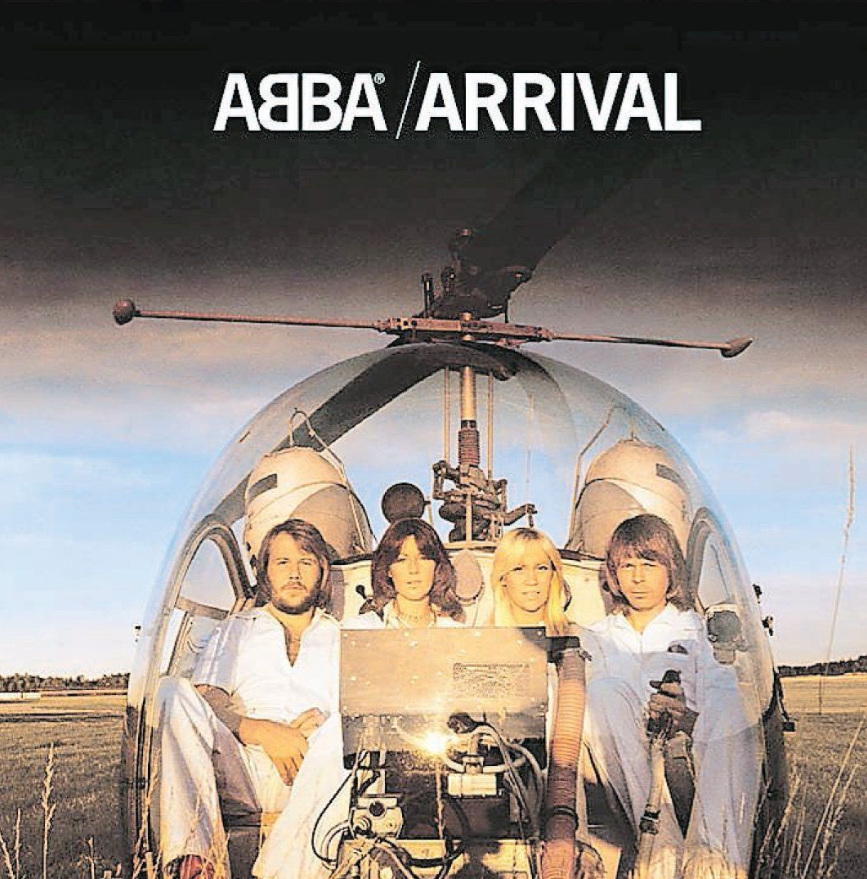
“Dancing Queen” was released in 1976 as the lead single from ABBA’s fourth studio album, Arrival. Written by band members Benny Andersson and Björn Ulvaeus, and Stig Anderson the song quickly became a global sensation. It marked ABBA’s first and only number one hit in the United States, while also topping charts across Europe and Australia, and even the Soviet Union. The track blends pop and disco elements, capturing the spirit of the mid-1970s dance scene in the US, the group decided to follow the trend, by adding catchy melody and uplifting rhythm.
Andersson and Ulvaeus have cited George McCrae’s “Rock Your Baby” as a source of inspiration for the style of the song. The song alternates between “languid yet seductive verses” and a “dramatic chorus that ascends to heart-tugging high notes”.
As the song talks about a young girl’s excitement and freedom on the dance floor, “Dancing Queen” showcased ABBA’s signature harmonies and polished production, helping to solidify their status as one of the world’s most successful pop groups. Over the years, the song has remained a timeless classic, beloved across generations and cultures.
Here is a picture of the album “arrival”
lyrics
[Intro]
Ooh
You can dance, you can jive
Having the time of your life
Ooh, see that girl, watch that scene
Diggin’ the dancing queen
[Verse 1]
Friday night and the lights are low
Looking out for a place to go
Where they play the right music
Getting in the swing
You come to look for a king
Anybody could be that guy
Night is young and the music’s high
With a bit of rock music
Everything is fine
You’re in the mood for a dance
And when you get the chance
[Chorus]
You are the dancing queen
Young and sweet, only seventeen
Dancing queen
Feel the beat from the tambourine, oh, yeah
You can dance, you can jive
Having the time of your life
Ooh, see that girl, watch that scene
Diggin’ the dancing queen
About ABBA:
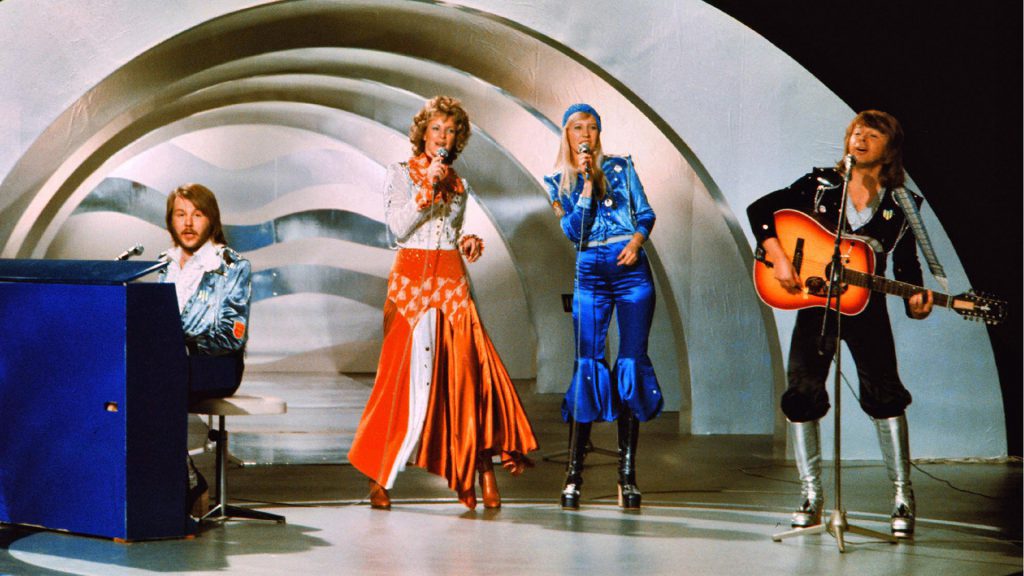
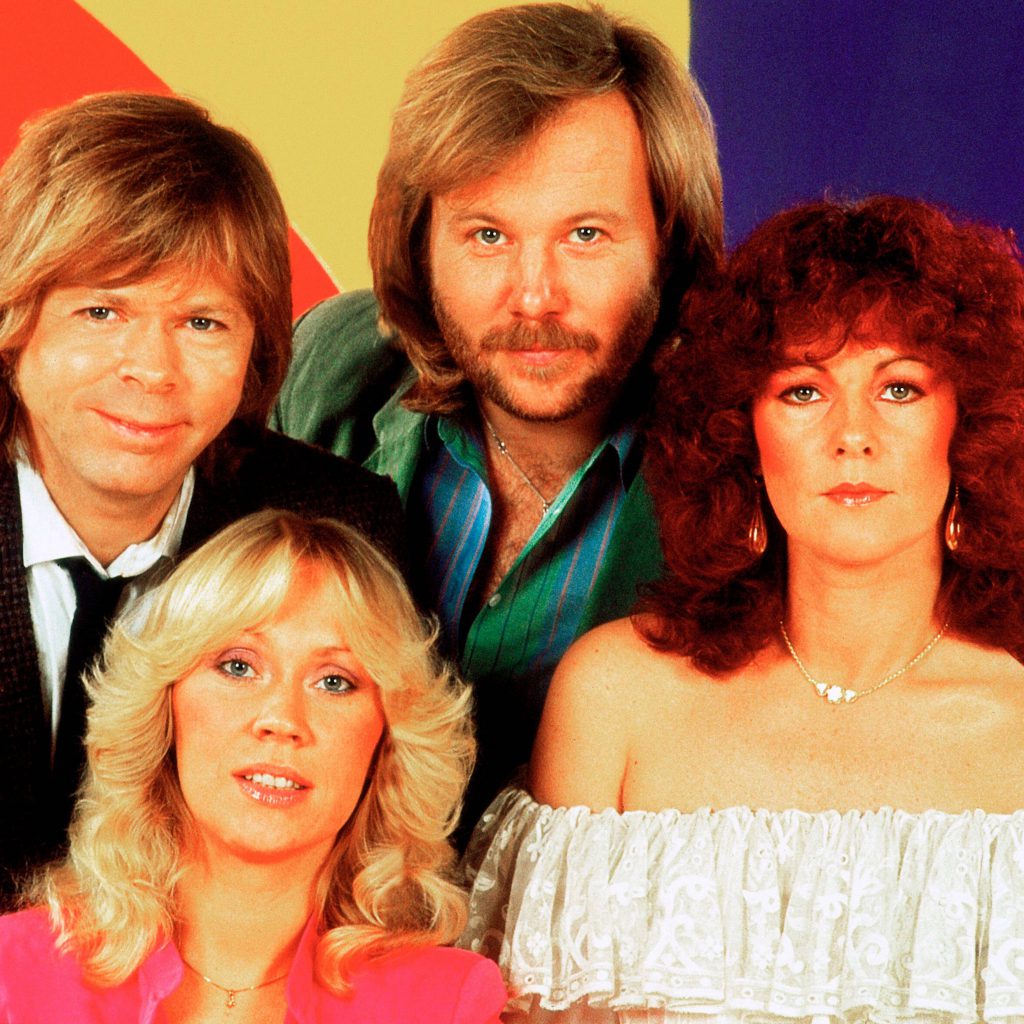
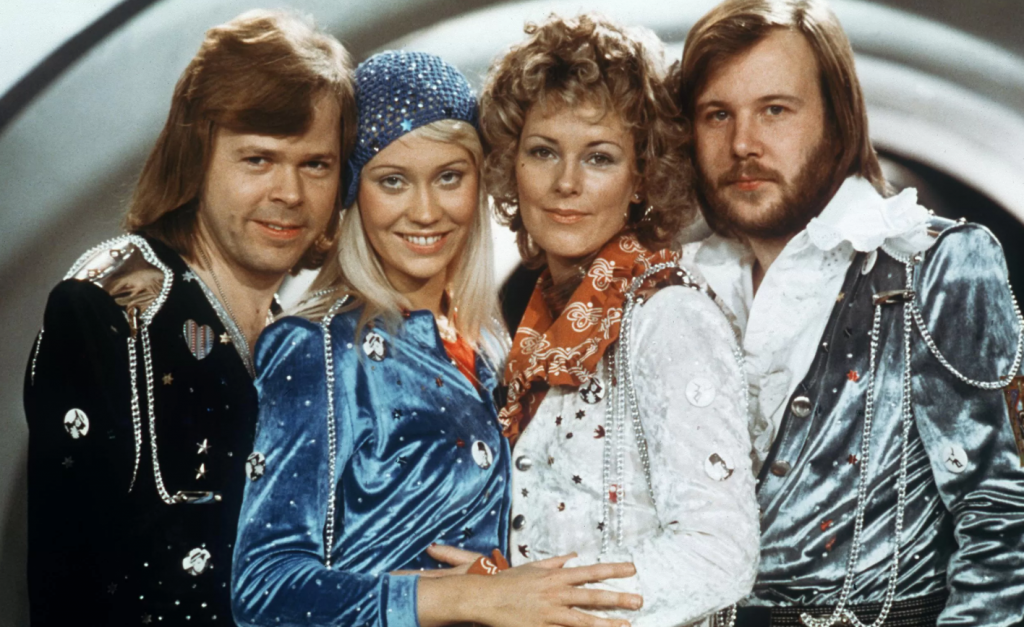
ABBA was a Swedish pop group formed in Stockholm in1972, consisting of members Agnetha Fältskog, Björn Ulvaeus, Benny Andersson, and Anni-Frid Lyngstad. They gained international fame after winning the Eurovision Song Contest in 1974 with the song “Waterloo.” During the band’s main active years, it consisted of two couples: Fältskog and Ulvaeus, and Lyngstad and Andersson. With the increase of their popularity, their personal lives suffered, which eventually resulted in the collapse of both marriages.
Known for their catchy melodies, rich harmonies, and polished production, ABBA became one of the most successful music acts of the 1970s and early 1980s.
Their unique blend of pop, disco, and rock, combined with relatable lyrics and memorable performances, earned them global fame. Hits like “Dancing Queen,” “Mamma Mia,” and “Take a Chance on Me” remain popular today, and reaching new audiences through films and stage musicals.
Cultural Significance and LGBTQ+ Connection:
Over the decades, “Dancing Queen” has become more than just a hit song it has taken on a powerful cultural identity, particularly within the LGBTQ+ community. The word “queen” in the title carries a dual meaning. On one level, it refers literally to a young woman dancing like royalty, full of grace, confidence, and charm. But in queer culture, the term “queen” holds a deeper, symbolic significance. Commonly used in phrases like “Yes queen,” it celebrates fierce self-expression, empowerment, and individuality, especially among drag performers and queer icons. In this sense, “Dancing Queen” has become a celebratory anthem for those embracing their identity and claiming space on the dancefloor as their own.
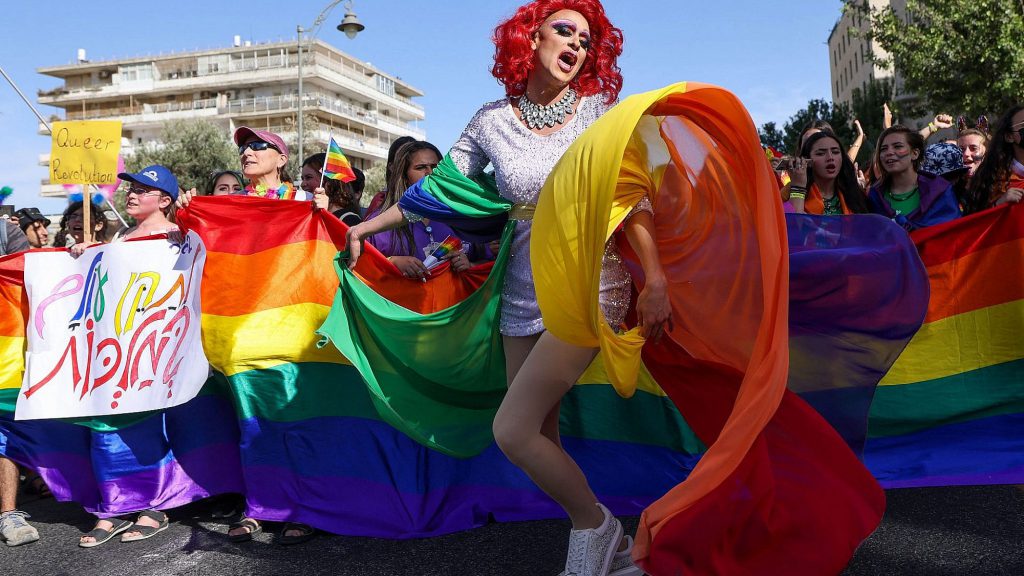
Another of the song contributions
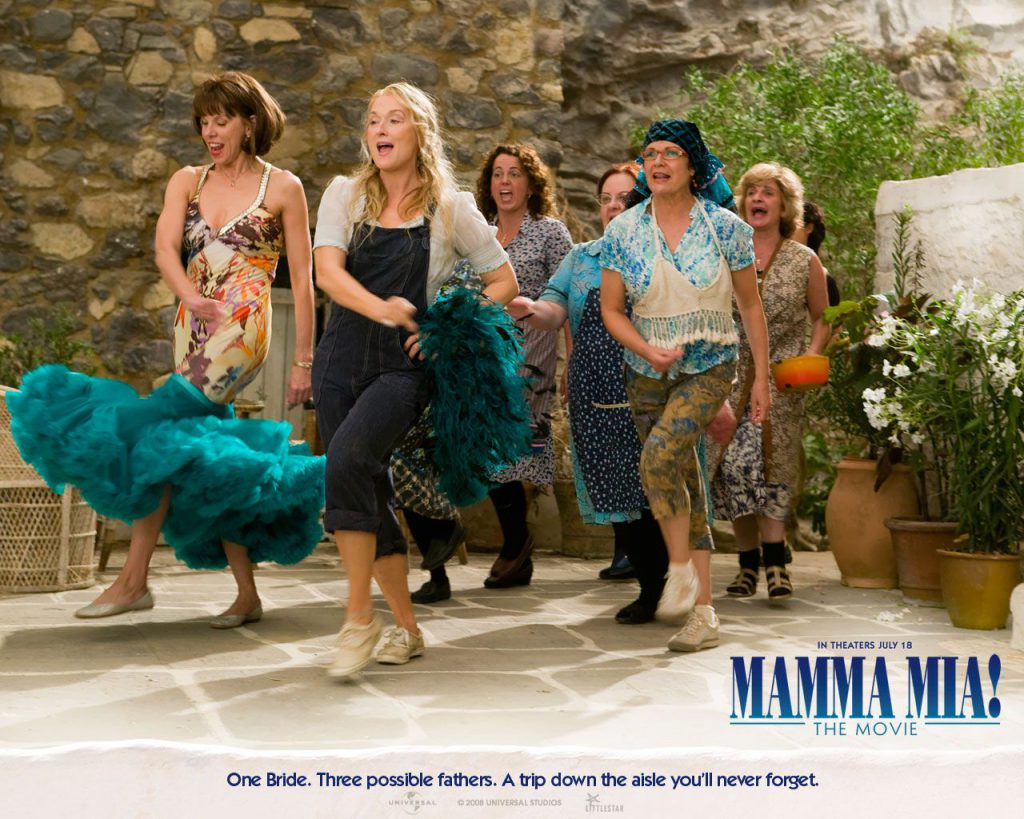
The song’s uplifting melody and message of joyful liberation resonate deeply in LGBTQ+ spaces, where music and dance often serve as expressions of identity, resilience, and community. Moreover, “Dancing Queen” is one of the most iconic and emotionally charged moments in the film Mamma Mia! (2008). In the movie, the song is performed by female characters rediscovering their sense of joy, youth, and power running through the hills, dancing freely, and inspiring others to join them. This scene perfectly captures the spirit of the song as a celebration of freedom and self-expression, echoing its meaning within queer culture.
The film itself, much like ABBA’s music, has been embraced by LGBTQ+ audiences for its vibrant energy, camp sensibility, and themes of chosen family. Through “Mamma Mia!”, the song “Dancing Queen” reached a new generation of fans, reinforcing its role as both a cinematic and queer cultural anthem.
Conclusion:
More than four decades after its release, “Dancing Queen” remains a timeless anthem of joy, freedom, and identity. Its musical brilliance, emotional depth, and dual-layered meaning both as a story of youthful liberation and as a celebration of queer empowerment have solidified its place in pop culture history. Through its iconic presence in the film Mamma Mia!, the song was reimagined as a moment of collective awakening and joy, reaching audiences across generations and identities. For the LGBTQ+ community especially, “Dancing Queen” is not just a nostalgic disco hit, it’s a powerful expression of pride, chosen family, and unapologetic self-love. It reminds us all, of the power of music to uplift, unite, and give voice to what words alone often cannot.
And on a personal note:
“Dancing Queen” is one of my all-time favorite songs. From the very first chords, it never fails to bring a smile to my face. For me, this song brings back happy memories of dancing and singing with friends and family ever since I was a child.
I chose this song because June symbolizes a time of celebrating love, diversity, and the beginning of summer a season full of light, joy, and togetherness. It also represents the kind of optimism and unity we all need during difficult and complicated times.
So, I hope this e-book brought a smile to your face, or at the very least, left you with a song in your head that you won’t be able to stop humming for the next three days!
Thank you for reading!
references
“Dancing Queen”, Wikipedia
“ABBA”, Wikipedia
Published: Jun 20, 2025
Latest Revision: Jun 20, 2025
Ourboox Unique Identifier: OB-1675367
Copyright © 2025

 Skip to content