






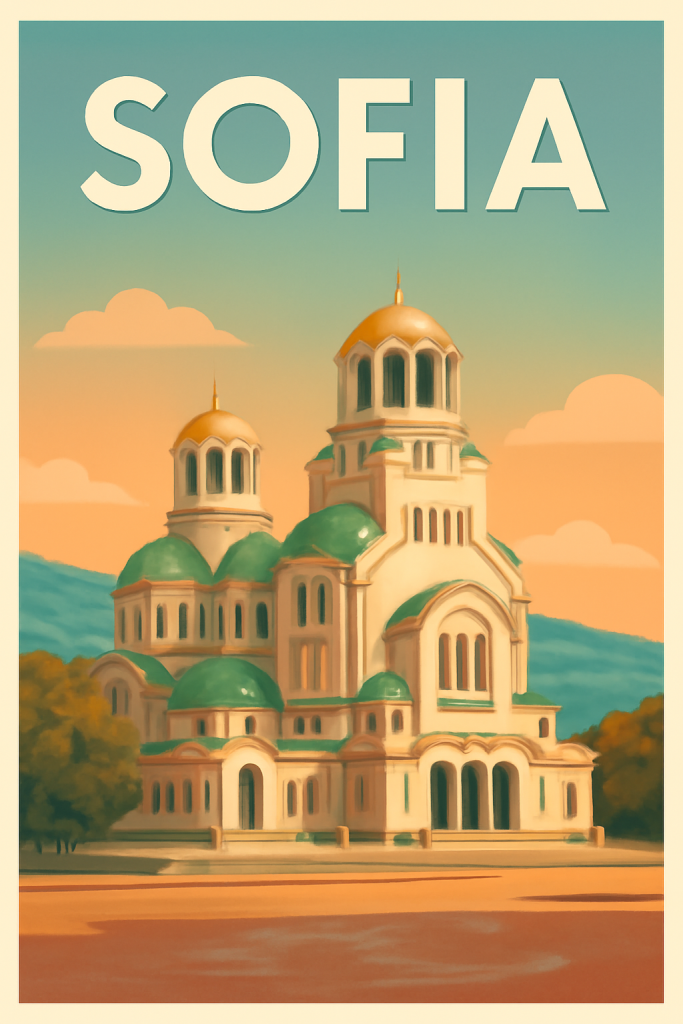
sofia

Copyright © 2025
Discover Sofia’s Timeless Charm with Balkonava Tourism Agency
-DON’T MISS OUR ONE OF A LIFE TIME CHANCE OF A HOLIDAY!!-
Dates: 3 july-7 july
Fee: 600 €
Bus fees are included in to the price.
Watch it!
DAY 1
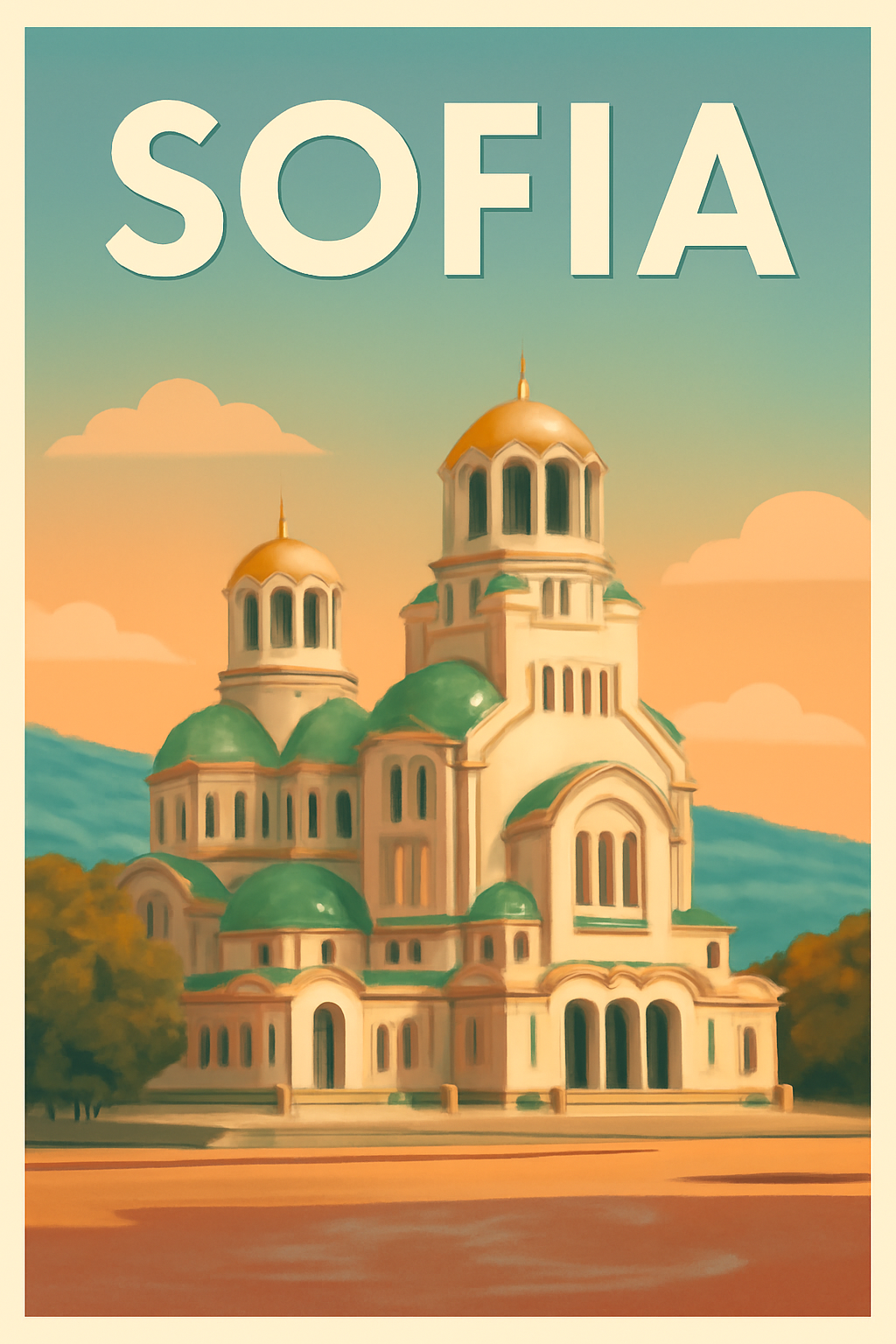
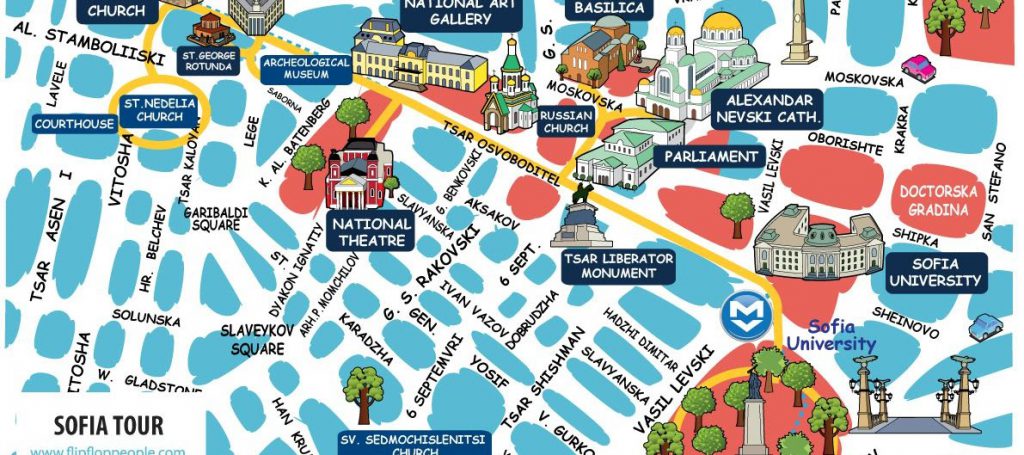
– Alexander Nevsky Cathedral
St. Alexander Nevsky Cathedral (Bulgarian: Храм-паметник “Свети Александър Невски”, Hram-pametnik “Sveti Aleksandar Nevski”) is a Bulgarian Orthodox cathedral in Sofia, the capital of Bulgaria. Built in Neo-Byzantine style, it serves as the cathedral church of the Patriarch of Bulgaria and it is one of the 50 largest Christian church buildings by volume in the world. It is one of Sofia’s symbols and primary tourist attractions. St. Alexander Nevsky Cathedral in Sofia occupies an area of 3,170 square metres (34,100 sq ft) and can hold 5,000 people inside.[3][1] It is among the 10 largest Eastern Orthodox church buildings. It is the largest cathedral in the Balkans. It is believed that up until the year 2000 it was the largest finished Orthodox cathedral.
About cathedral!
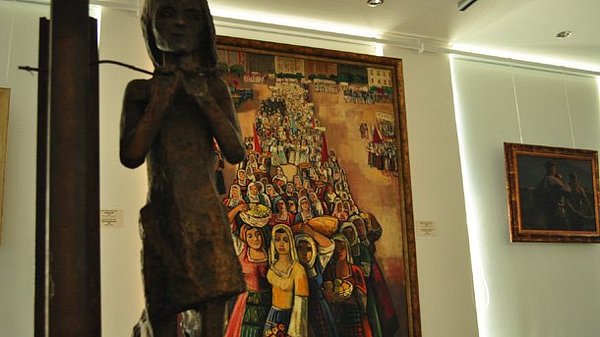
Museum Of Socialist Art
The Museum of Socialist Art (Bulgarian: Музей на социалистическото изкуство, romanized: Muzey na sotsialisticheskoto izkustvo) in Sofia is a museum of art which covers the history of the communist era in Bulgaria. It was established on 19 September 2011 amidst a controversy over the name, which was initially proposed as “Museum of Totalitarian Art”. The museum’s collection of large and small statues, busts, and paintings represents the period from 1944 to 1989, from the establishment of the People’s Republic of Bulgaria to the fall of communism. The museum spread over an area of 7,500 square metres (81,000 sq ft) in the Sofia suburb known as “Red Star” is in three parts – a park with sculpture installations drawn from the communist period, an exhibition hall with paintings and easel representations, and a media or video hall in which films and newsreels related to communist period are screened.
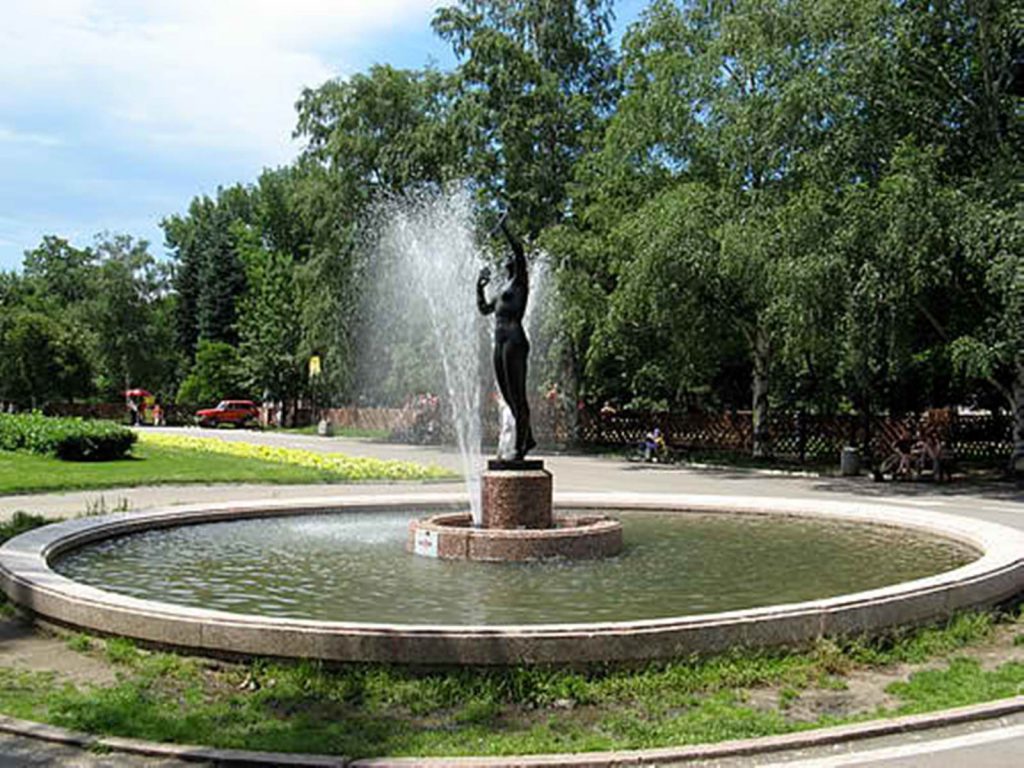
Zaimov Park: A Cultural and Recreational Heart in Sofia
Zaimov Park stands as a pivotal urban green space within Sofia, Bulgaria, offering residents and visitors a necessary blend of historical significance, recreational opportunities, and cultural enrichment. Named in honor of General Vladimir Zaimov
While its boundaries clearly define it as a separate entity from the busy city streets, the park remains deeply connected to the urban environment. Historically, Zaimov Park holds a notable distinction: it was reported to be the first public space in Sofia to provide free Wi-Fi access, marking it as a progressive and modern amenity in the capital city’s landscape.
In terms of physical amenities, Zaimov Park is well-equipped for diverse recreational activities. Large green lawns and manicured walking paths facilitate strolling, jogging, and general relaxation. There’s also fitness equipment. Families are particularly drawn to its comprehensive play areas, most famously the “Fairy Tale House,” an interactive attraction that delights children with moving platforms and character displays. Additionally, the presence of several cafes and restaurants ensures the park is a destination for social gatherings and leisurely dining.
Rather than purely focusing on nature, the park grounds encompass the Sofia Theatre and the Sfumato theater workshop. This unique combination of public space and performance venues transforms the area into a focal point for the arts. This cultural foundation is further strengthened by the park’s frequent hosting of public events, including seasonal festivals, exhibitions, and concerts.
DAY 2
The National Historical Museum
In Sofia, Bulgaria, it’s one of the largest museums in the Balkans, with over 650,000 artifacts showing Bulgaria’s history from prehistoric times to today. Founded in 1973, it is located in the Boyana district, at the foot of Mount Vitosha, inside a former government residence. The exhibits include prehistoric tools, Thracian gold treasures, medieval relics, and items from the Ottoman and modern periods. The museum is open daily (around 9:00 AM–6:00 PM) and tickets cost about BGN 10. Visitors often combine it with a trip to the nearby Boyana Church, another major historical site.
National museum of history
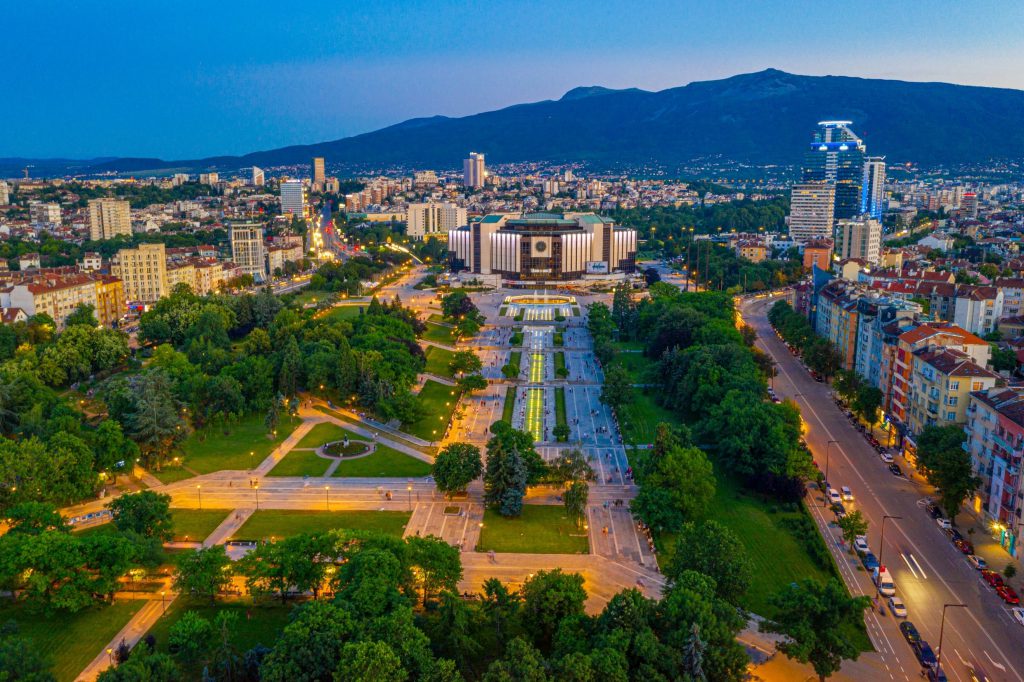
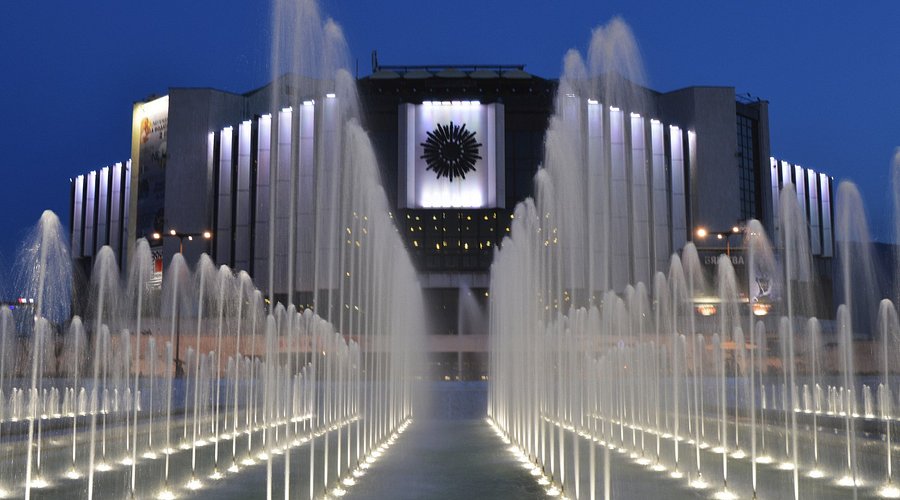
The National Palace of Culture
is a major cultural and congress center located in the heart of Sofia, Bulgaria. Opened in 1981 to commemorate Bulgaria’s anniversary, it was designed by architect Alexander Barov and is one of the largest multifunctional complexes in Southeast Europe, covering over 123,000 square meters across multiple floors. The building hosts concerts, exhibitions, conferences, and festivals in its numerous halls and meeting rooms. Architecturally, it represents a striking example of late socialist modernism, featuring grand spaces, geometric motifs, and monumental artworks, including the famous sun sculpture by Georgi Chapkanov on its façade.
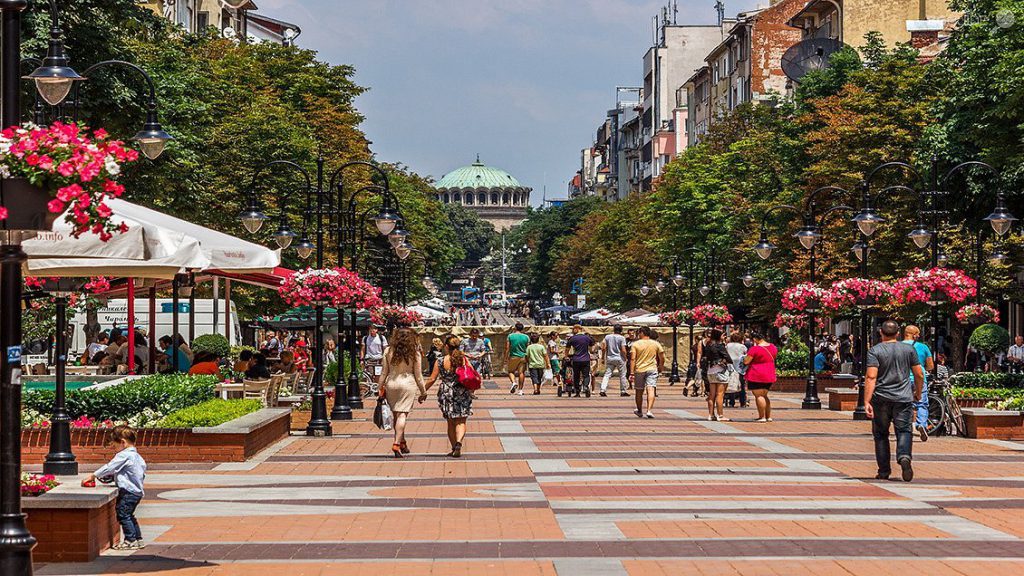
Vitosha Boulevard (Витоша булевард)
often called simply “Vitoshka,” is the main pedestrian street in the center of Sofia, Bulgaria. Stretching from the National Palace of Culture (NDK) to St. Nedelya Square, it is one of the city’s most vibrant and stylish areas. The boulevard is lined with cafés, restaurants, shops, and boutiques featuring both international brands and local designers. With its wide sidewalks, elegant facades, and clear views of Mount Vitosha in the distance, it’s a favorite spot for walking, dining, and people-watching.
Vitosha Boulevard has become a symbol of modern Sofia, combining a lively atmosphere with a touch of historical charm. Street musicians, outdoor terraces, and seasonal decorations give it a dynamic feel year-round. Whether you’re looking to enjoy a coffee, shop for souvenirs, or simply take in the city’s rhythm, Vitosha Boulevard offers the perfect setting to experience the everyday life and energy of Bulgaria’s capital.
DAY 3
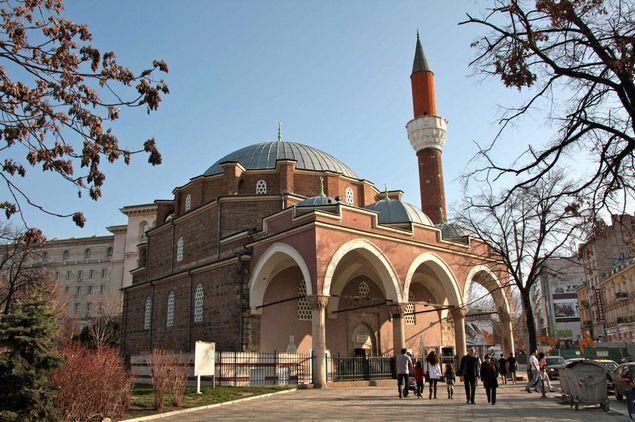
Banya Bashi Mosque
The mosque was designed by the famous Ottoman architect Mimar Sinan and completed in 1566, during the years the Ottomans had control of the city. The mosque derives its name from the phrase Banya Bashi, which means many baths. In the Turkish language Banyo means bath and Baş (pronounced Bash) means ‘head’ or ‘main’, so looking at the location it is built on, a more logical translation of the name would be ‘Head of the bath mosque’. The most outstanding feature of the mosque is that it was actually built over natural thermal spas; one can even see the steam rising from vents in the ground near the mosque walls. The mosque is famous for its large dome, diameter 15m, and the minaret.
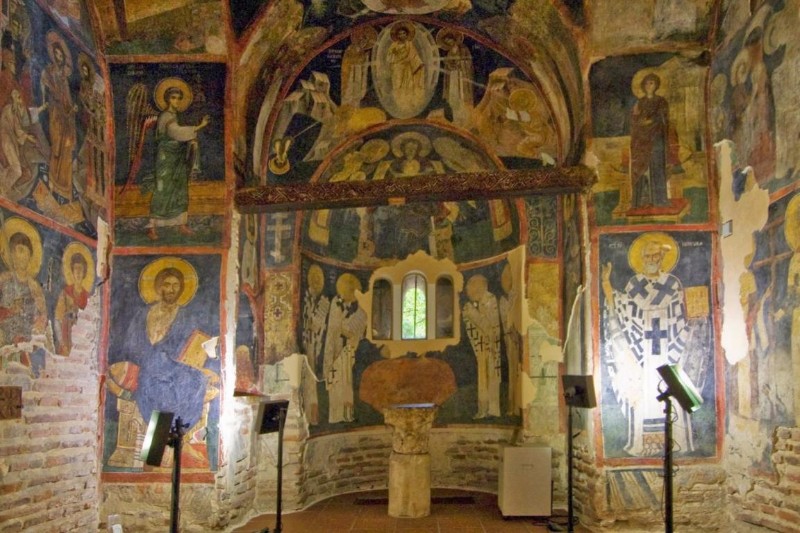
Boyana Church
The Boyana Church is a medieval Bulgarian Orthodox church situated on the outskirts of Sofia, the capital of Bulgaria, in the Boyana quarter. In 1979, the building was added to the UNESCO World Heritage List.
The east wing of the two-story church was originally constructed in the late 10th or early 11th century, then the central wing was added in the 13th century under the Second Bulgarian Empire, the whole building being finished with a further expansion to the west in the middle of the 19th century. A total of 89 scenes with 240 human images are depicted on the walls of the church.
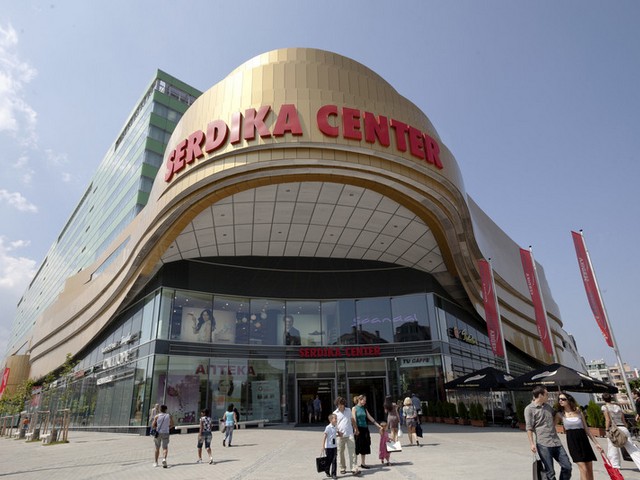
Serdica Mall Center
Serdika Center Sofia is a shopping mall located in Sofia, Bulgaria, opened in the spring of 2010 and has more than 210 stores. Serdika Center Sofia is located on Sitnyakovo Boulevard in the municipality of Oborishte. The shopping mall is a 5-minute drive from Sofia’s main motorway Trakiya, 10 minutes from Sofia Airport and 10 minutes from the central part of Sofia.
Published: Oct 28, 2025
Latest Revision: Oct 28, 2025
Ourboox Unique Identifier: OB-1692771
Copyright © 2025

 Skip to content