






by Mel Rosenberg - מל רוזנברג
Copyright © 2017
Mel Talks at CDTM, Center for Digital Technology and Management
Copyright © 2017
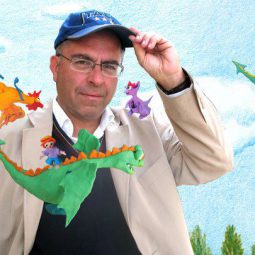
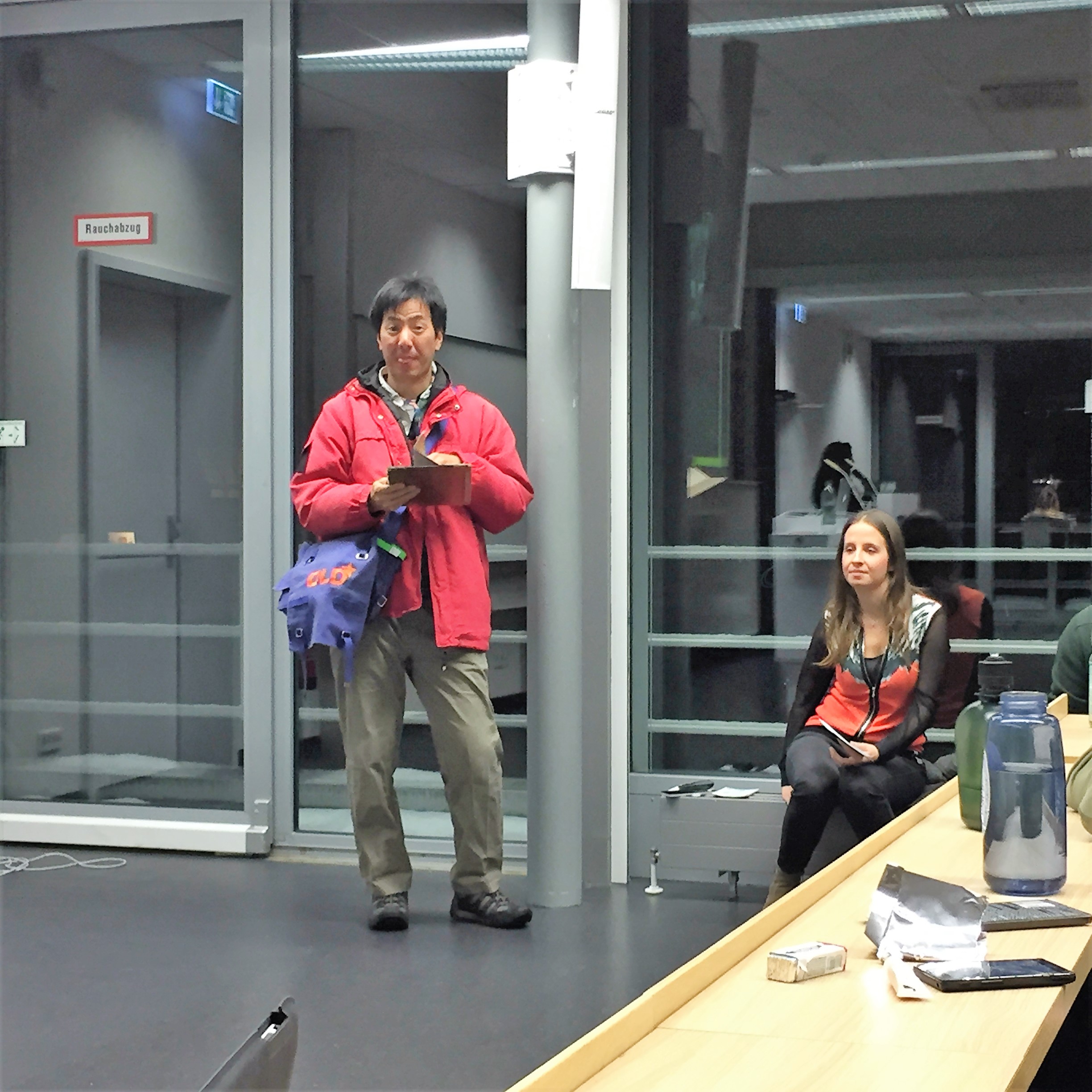
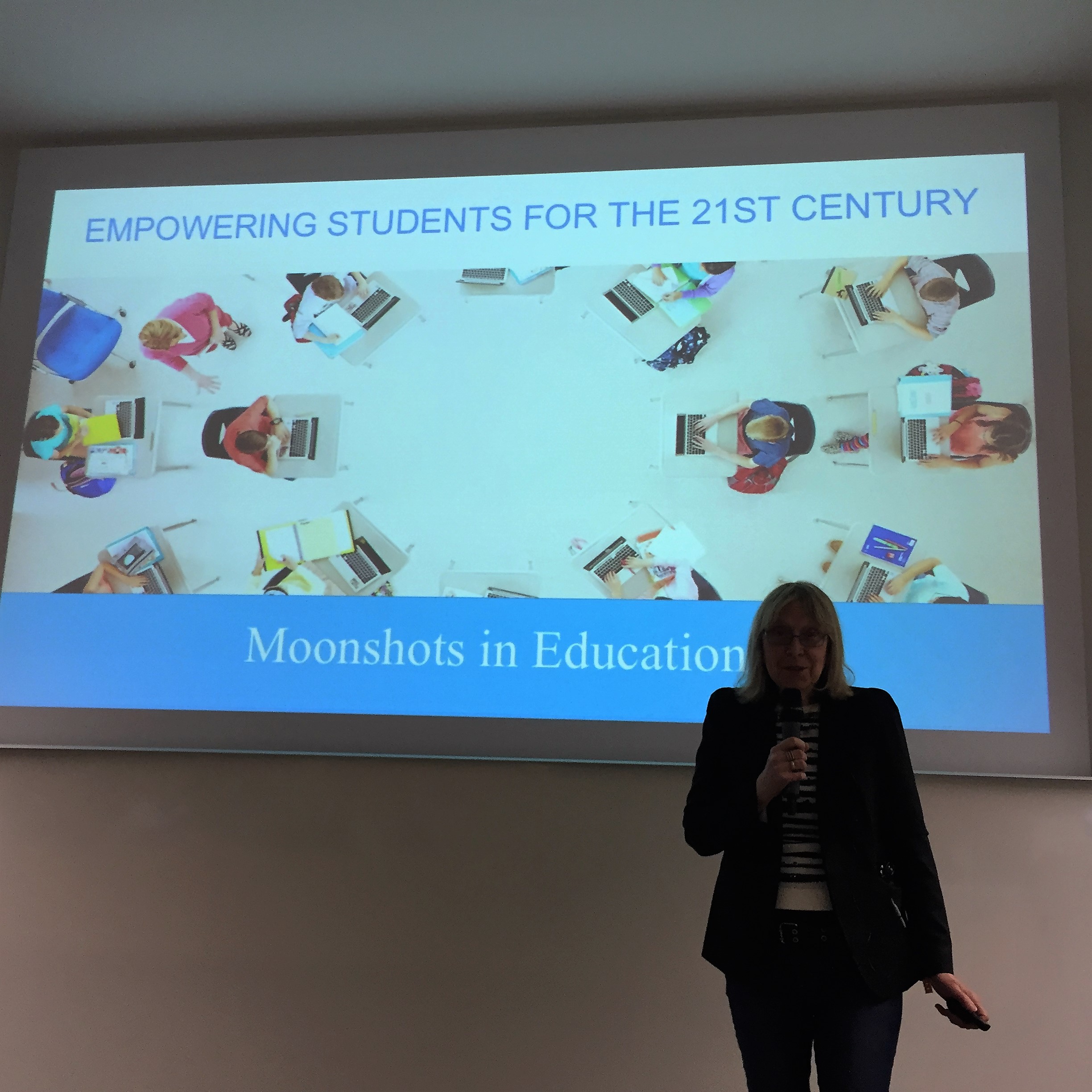
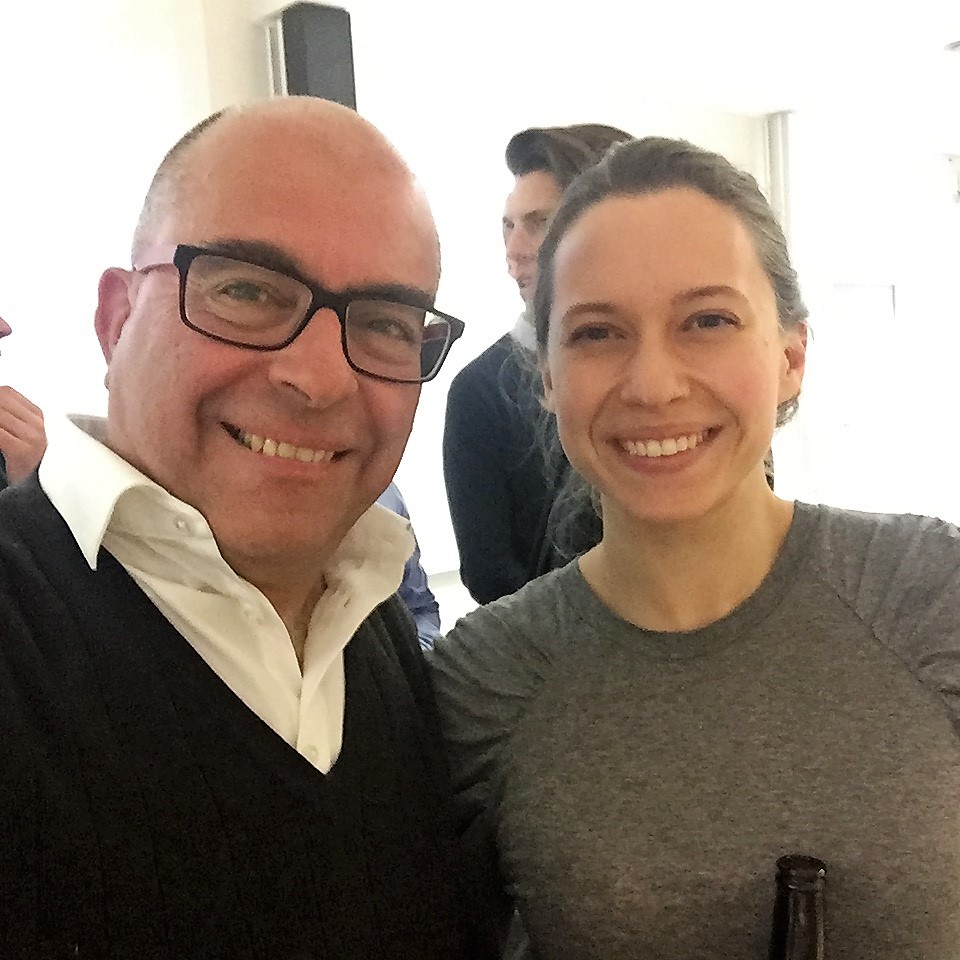
I’ve been invited to talk to several hundred young innovative young people at Center for Digital Technology and Management (CDTM) in Munich on Monday.
I’ll be giving my talk entitled “The Way We Aren’t”. I’ll be explaining how I left my career as a scientist to spend more time to things I love more, including writing children’s books. This is the talk I planned to give, but I will probably be changing it quite a bit before Monday (this always happens).
Please scroll down to read it.
As a scientist, I spent over three decades as a scientist, studying the way we are. But at the same time, as a writer of children’s books and stories, I spent the same decades writing about the way we aren’t. Scientists, after all try to discover a few things about the way that the universe works. If a certain bacterial species causes a specific disease, for example, then it is not caused by other bacteria. But in the world of make believe, the opposite rule applies. There are countless ways to tell a story and the ones that work are usually the ones that have elements of fantasy, not of truth. In the world of make believe, there is no reason in the world that buses cannot fly off into outer space. Fish such as Jeff can take showers and wear goggles. Why the heck not?
But can both careers co-exist? Should they co-exist? Shouldn’t a scientist dedicate all his waking hours studying the way we are. And shouldn’t a writer of fiction dedicate himself or herself to making up stories?
As a young child, we are all scientists, finding out about how the world works. One of my first experiments was to try to grow watermelons from seeds in the cold Canadian winter. That was during the daytime. But at night my father would read me stories. Many stories. Madeleine by Bemelmans. Peter Pan. You name it we read it. What was fact? What was fiction? We had two Peter Pan books illustrated by different artists, so he looked different in each book. That in particular drove me crazy. “Which is the REAL Peeter Pan”, I wanted to know.
And so I grew up somewhere in between science and storytelling. I had a book about life on Mars. I wanted to be an astronomer. But mostly, I wanted to write.
So unsurprisingly, my first children’s book was one about bacteria. Telling their true story, not like carius and bactus, which I hated at the time. I wrote a story about the Tower of Babel, not taking into consideration that I had serious competition with the original Biblical version. At some stage I tried to find ways to publish the books, but didn’t succeed. So I went back to science which seemed to provide a safer way of having a good career. As a Ph.D student I had some luck trying to understand how bacteria from oil spills are able to stick to oil droplets. The observation turned into a simple method for understanding bacterial behavior that became quite popular. A few years later together with Prof. Ervin Weiss and others we developed a two-phase mouthwash that became very popular in the UK and elsewhere. The mouthwash got me interested in bad breath and I became a top expert in the diagnosis and treatment of halitosis. I say this with some modesty as there were only three of us and we all claimed to be top experts. I smelled about 10,000 mouths, armpits and other things during a career that spanned several decades. Sometimes I blame all those odors for what subsequently happened to my hair.
But the hope was that my writing career would take off as well. In 1996, twenty years after it was written, the university published my children’s book about bacteria. I was nervous about coming out of the closet as a scientist who writes for children. What would my peers think? After all, it was bad enough that my scientific career was so well, shall we say peculiar. And a guy that writes children’s books when he should be writing scientific papers and boring grant proposals?
So for quite a while, I wrote and published on subjects that were close to my scientific career. My next book, also illustrated by Tali Niv-Dolinsky, was about a witch with bad teeth who turns a young impertinent girl into a toothbrush. I even got to play the role of the dentist in the film version!
But at some stage, I began writing about whatever I felt like. It was frightening. It was liberating. I let the ideas bounce back and forth between science and fantasy. My most recent book is about a dragon. Actually the idea came from the term ‘dragon breath’ is used in the UK to describe someone with halitosis. Well, the story is about a dragon who falls in love with garlic and onion-flavored ice cream. In the book there are of course areas that you can scratch and sniff.
Sometimes the ideas for stories come from scientists and professors. A professor with no sense of humor was the basis for a story entitled “Gloomeris: The Serious Laughing Hyena”. Gloomeris goes to see Dr. Cluck, a rooster-veterinarian with a know-it-all personality, perhaps a bit like me. Dr. Cluck drinks tonic and gin between patients, though, something I don’t do. Any more. This book is one of a trilogy of Dr. Cluck stories. I’m waiting for other interesting animals to serve as the basis for more stories.
Another professor who thought too highly of himself, in my opinion turned into “ The King who wasn’t Tell Enough”, a story about a king who dreams about being the tallest in his kingdom and succeeds in the end, but with dire results.
As a scientist, I have always liked concocting simple methods and techniques. About a dozen years ago, together with Dr. Alon Amit, we developed a technique called 48create which helps students come up with wacky ideas and inventions. About four years ago, we revised it so that it would help students come up with original ideas for writing children’s stories. In this technique, you choose from one out of a group of characters, choose an object, choose a feeling or attitude, and write your heart away. It worked not only for the students I taught, but also for me. So for example, combine yogurt, surprise and mice, and come up with “Why I Love Yogurt” a story of a child who falls in love with yogurt. His parents think he is on a health craze but actually he needs the empty cups to hide away the talented mice who come to visit him every evening.
Three years ago, here in Munich, we launched Ourboox, a website which allows anyone to upload free e-books incorporating story and pictures. Guess who the best customer is! But the most amazing thing is that leading illustrators have come forward to illustrate my books. Out of love, not money.
Three weeks ago I made New Year’s resolution to write 1000 stories in 2017. So I may not become the best children’s book writer in the western world, but probably one of the most prolific.
.
Published: Jan 12, 2017
Latest Revision: Jan 23, 2017
Ourboox Unique Identifier: OB-224139
Copyright © 2017

 Skip to content