






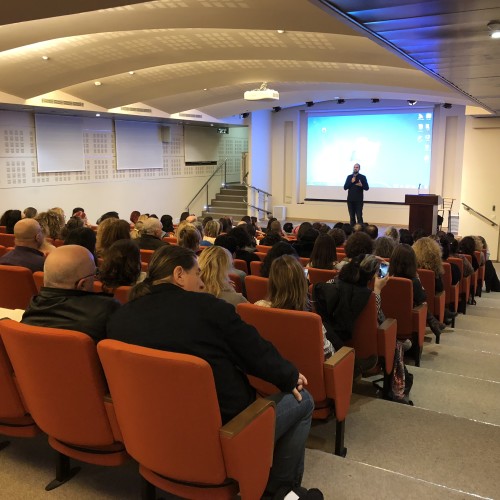
Mel’s Ten Tips on How to Find Your Amazing Job

Copyright © 2018
In the ‘old days’, professions were more or less stable. You could work in a profession for your entire career. You could choose a profession that you think you love, one that suits your personality, one that you might be skilled at.
2
But even back then many people ended up in professions that they didn’t like. In the US, only half of employees are satisfied with their jobs. Furthermore, professions are disappearing like handkerchiefs into a magician’s hat. And today’s technological skills may become obsolete rather quickly.
3
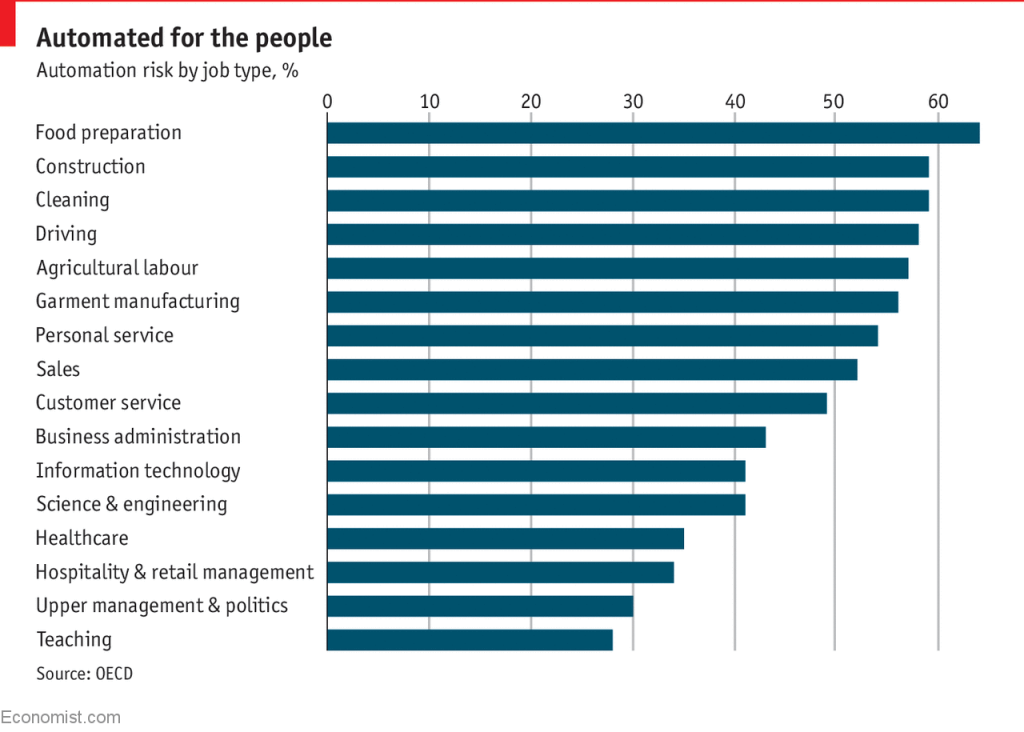
Within five to ten years, many current jobs will cease to exist. How will you succeed in the world of talented robots and chatbots and apps?
4
Here is what the World Economic Forum has to say. In 2020 young people like you will need the social skills, the creative skills, the cooperation skills. Ones that you can’t easily get at university.
6

Top Ten Skills in 2015
-
Complex problem solving
-
coordinating with others
-
people management
-
critical thinking
-
negotiation
-
quality control
-
service orientation
-
judgment and decision making
-
active listening
-
creativity
8
Top Ten Skills in 2020
Complex problem solving
critical thinking
creativity
people management
coordinating with others
emotional intelligence
judgment and decision making
service orientation
negotiation
cognitive flexibility
9
The biggest jump in the list is ‘creativity’ (from number 10 to number 3). My best creative secret? Innovators don’t think outside the box, they think between boxes and make unanticipated connections between them.
10
11
12
Tip Number One: You won’t get that amazing job by sending in a CV. You get the amazing job via connections, networking, recommendations. Reach out! Meet people, make friends, find mentors. Volunteer. Go to meetups, events and conferences. Linked in can help too!
13
Networking – so important!
14
Tip Number Two: Communicate! Share your vision. Storytelling and oral presentation skills are critical to success. But remember: communicating means becoming a good storyteller but an even better listener.
15
16
Oral presentations in Hebrew
17
Tip Number Three: Your first meeting or appointment is key. Come on time! Better, come early (thank you Richard Lucase!) Read up on who you are meeting and the company! Treat it like the most important encounter of your career! Don’t forget to follow up!
18
first meeting
19
Tip Number Four: Identify your “Achilles Heel” and do something about it. Very often if it will turn into your “winning card”.
20
Tip Number Five: Study something that appears ‘useless’. A microlesson, a course, or even a whole degree. It worked for Steve Jobs.
21
Tip Number Six: Consider what kind of job is going to make you happy and fulfilled. You will succeed doing something that you love and excel in. Money is an issue, but remember: it’s not the issue.
22
23
Tip Number Seven: Learn to embrace mistakes and failure as a learning process on the way to success.
24
Tip Number Eight: Learn to speak as many languages as you can. Being able to say a few words in someone else’s language is a real bonus. And if you are the only person in your firm who can make a presentation to an English or Chinese delegation, well… you are on your way.
26
27
Tip Number Nine: One great way to have an amazing job is to invent it. One way is to become a master of two or more fields and then to combine them.
28
What new opportunities could you create for yourself if you were an expert in two or more areas?
Chemist and Blogger
Archaeologist and Expert Chinese speaker
Soccer coach and Lawyer
29
Tip Number Ten: Dream. Dream often. Dream big. Dreams don’t always come true, but if you don’t dream, they certainly won’t. And remember, dreaming is something that computers still have trouble with.
30
31
Double Bonus Tip: Turn the people you admire (professors, successful entrepreneurs) into mentors and supporters.
32

Published: Mar 8, 2018
Latest Revision: Oct 23, 2020
Ourboox Unique Identifier: OB-443884
Copyright © 2018

 Skip to content