







Grammar for me and you – Rivi’s 7th grade

Copyright © 2019
Table of Content:
Unit 1: Pronouns………………………………p.2-7
Unit 2: To Be…………………………………..p.8-19
Unit 3: a, an, the……………………………..p.20-23
Unit 4: To Have……………………………….p.24-26
Unit 5: Nouns…………………………………p.27-31
Unit 6: Present Simple………………………p.32-45
Unit 7: Present Progressive………………..p.46-55
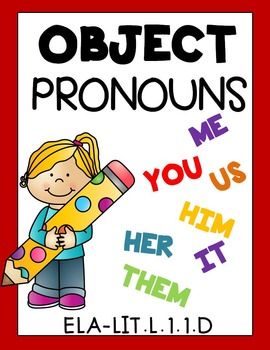
Unit 1: Pronouns – שמות גוף
שמות גוף באים במקום שמות עצם
Tom is tall – He is tall
The boy is happy. He is happy
The bag is red – It is red
The pronouns:
רבים יחיד
I – אני We – אנחנו
He – הוא They – הן, הם
She – היא You – אתן, אתם
It – זה
You – את, אתה
***שים לב: למילה יש יש פירושים גם ביחיד וגם ברבים!
- Click the title pronouns below.
- Read the rules.
- Play the games (There are Two games)
Pronouns – grammar rules
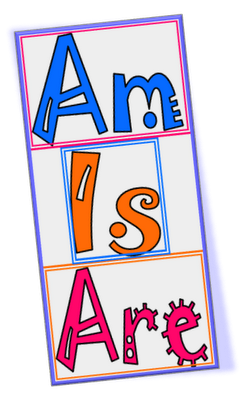
Unit 2: The verb – To Be(Positive)
משפטי חיוב:
פירוש הפועל to be הוא “להיות”.
לפועל to be יש שלוש צורות: am, is, are
I am a boy.
He is sad.
She is sad.
It is sad.
We are here.
You are here.
They are here.
שים לב: אין משמעות ל: am, is, are בעברית.
- Click the title To Be below.
- Read the rules.
- Play the games (There are Two games)
To Be – grammar rules
The verb – To Be:(Negative)
משפטי שלילה:
I am not a boy.
He is not sad.
She is not sad.
It is not sad.
We are not here.
You are not here.
They are not here.
צורות קצרות:
I am not I’m not (אין צורה נוספת מקוצרת)
He is not He’s not He isn’t
She is not She’s not She isn’t
It is not It’s not It isn’t
We are not We’re not We aren’t
You are not You’re not You aren’t
They are not They’re not They aren’t
The verb – To Be:(Yes / No) Questions
שאלות כן/לא:
שאלות אלו נקראות כך כי עונים עליהן בכן ולא.
כדי לחבר שאלה מסוג זה. מחליפים את סדר המילים במשפט. הפועל to be עובר למקום הראשון והנושא למקום השני.
I am happy. – Am I happy?
He is sad. – Is he sad?
She is sad. – Is she sad?
It is sad.- Is it sad?
We are at home. – Are we at home?
You are at home. – Are you at home?
They are at home. – Are they at home?
The verb – To Be:(Wh Questions)
שאלות Wh:
שאלות אלו נקראות כך כי הן מתחילות במילות Wh.
מילות Wh:
Who? מי
What? מה
Where? איפה
When? מתי
Why? למה
How? איך
Who is happy?
What is your name?
Where is your book?
When is your birthday?
Why are you here?
How are you today?
Unit 3: a, an, the
לפני שם עצם ביחיד מוסיפים a או an.
a – אם שם העצם מתחיל באות רגילה , מוסיפים a לפני שם העצם.
This is a boy.
I have a bag.
an – אם שם העצם מתחיל באות ניקוד (a, e, i, o, u), מוסיפים an לפני שם העצם.
This is an apple.
I have an umbrella.
אין תרגום בעברית לa/an.
the – ה’ הידיעה. משתמשים ב the במקום a או an, כשכבר יודעים על מי או על מה מדובר במשפט.
This is a boy.
The boy is tall.
- Click the title a, an, the below.
- Read the rules.
- Play the games (There are Two games)
a, an, the: grammar rules
Unit 4: To Have (Positive)
משפטי חיוב:
לפועל to have יש שתי צורות: have, has
He I
She has We have
It You
They
I have a pen.
He has a book.
Unit 5: Nouns
שמות עצם ביחיד:
שם עצם (noun) הוא שם של בן אדם, מקום, בעל חיים או חפץ.
I am a girl.
We are at home.
The baby is happy.
The bag is red.
.a , an לפני שם עצם ביחיד נוסיף
בכדי להפוך שם עצם מיחיד לרבים:
א – משמיטים a, an.
ב – מוסיפים סיומת ‘s’ לצורת היחיד של שם העצם.
רבים יחיד
a boy boys
a dog dogs
a pen pens
a book books
כללי איות:
בדרך כלל נוסיף רק סיומת ‘s’ בסוף שם העצם.
יש שמות עצם יוצאי דופן שצריך לעשות להם שינוי נוסף.
1. כאשר שם העצם מסתיים בסיומת שורקת (s, ss, sh, ch, x) והאות ‘o’, נוסיף סיומת ‘es’:
dress – dresses
brush – brushes
sandwich – sandwiches
box – boxes
tomato – tomatoes
2. כאשר שם העצם מסתיים באות ‘y’ולפניה יש אות רגילה (עיצור), משמיטים את ה’y’ ומוסיפים סיומת ‘ies’:
baby – babies
party – parties
**שים לב! אם שם העצם מסתיים ב’y’ולפניה אות ניקוד, נוסיף רק סיומת ‘s’ כרגיל.
שמות עצם יוצאי דופן:
יש שמות עצם מיוחדים שלא מוסיפים להם סיומת ‘s’. צריך לשנן אותם בעל פה.
child – children
foot – feet
mouse – mice
man – men
woman – women
fish – fish
sheep – sheep

Unit 6: Present Simple (positive)
1.שימוש:
אנו משתמשים בזמן זה כדי לתאר פעולות המתבצעות באופן קבוע – הרגלים ובכדי לתאר עובדות.
I go to school every day.
The sun rises in the morning.
2.ביטויי זמן:
every day/week/year – כל יום/שבוע/שנה
sometimes – לפעמים
usually – בדרך כלל
always – תמיד
never – לעולם לא
3. צורה:
בכדי ליצור משפט בזמן זה, אנו מחלקים את שמות הגוף לשתי קבוצות:
I, we, you, they
he, she, it
I
we + verb
you
they
he
she + verb + s
it
4.כללי איות:
כעת נתייחס למשפטים בהם הנושא הוא: he,she,it וצריך להוסיף לפועל סיומת ‘s’.
יש פעלים יוצאי דופן שצריך להרחיב את כללי האיות ולא מספיק להוסיף רק ‘s’:
-כאשר הפועל מסתיים בסיומת שורקת (s,ss,ch,sh,x) והאות ‘o’, נוסיף סיומת ‘es’:
dress – dresses
brush – brushes
watch – watches
fix – fixes
go – goes
-כאשר הפועל מסתיים באות ‘y’ולפניה יש אות רגילה (עיצור), משמיטים את ה’y’ ומוסיפים ‘ies’.
cry – cries
study – studies
**יש שני פעלים יוצאי דופן שאינם מקבלים סיומת ‘s’:
-הפועל to be:
I am happy.
She is happy.
We are happy.
-הפועל to have:
I have a book.
He has a book.
**Watch the video on the next page for more rules
Present Simple (negative)
כדי לחבר משפט שלילה, נוסיף את מילת השלילה not ואת פועל העזר do/does.
I do not play tennis.
We do not play tennis.
They do not play tennis.
You do not play tennis.
He does not play tennis.
She does not play tennis.
It does not play tennis.
Present Simple (yes/no questions)
כדי לחבר שאלת yes/no, מוסיפים את פועל העזר do/does בתחילת המשפט.
Do you speak English?
Yes, I do. / No, I don’t.
Does she play the guitar?
Yes, she does. / No, she doesn’t.
שים לב: בשאלות yes/no, הפועל נשאר בצורת הבסיס שלו ולא מקבל סיומת ‘s’.
Present Simple (Wh non-subject questions)
כדי לחבר שאלת wh, מוסיפים את מילת wh, לפני פועל העזר do/does.
wh words: wh, what, where, when, why, how
Where do you live?
When do you play football?
Why does he play tennis?
How does she read?
**שים לב: הפועל נשאר בצורה הבסיסית שלו.
Present Simple (Wh subject questions)
כדי לחבר שאלת wh, מוסיפים who/what.
who – לבני אדם
what – לבעלי חיים או דומם
Who reads a book every morning?
Dan reads a book every morning. / The boys read a book every morning.
What makes the noise?
The dog makes the noise? The dogs make the noise.
**שים לב: הפועל יהיה תמיד בתוספת ‘s’ לא משנה אם הנושא יהיה ביחיד או רבים.
Unit 6: Present Progressive (positive)
1.שימוש:
אנו משתמשים בזמן זה כדי לתאר פעולות המתרחשות ברגע זה.
I am reading a book now.
She is playing basketball now.
We are eating a sandwich at the moment.
2.ביטויי זמן:
now – עכשיו
right now – כרגע
at the moment – ברגע זה
3. צורה:
to be + verb + ing
4.חוקי איות:
– בדרך כלל אנו מוסיפים לפועל סיומת ing:
jump – jumping
יש פעלים יוצאי דופן:
-פעלים המסתיימים ב’e’, משמיטים אותה ומוסיפים סיומת ing.
bake – baking
-פעלים המסתיימים בצירוף של 3 אותיות אחרונות: אותר רגילה, אות ניקוד, אות רגילה (cvc), נכפיל את האות האחרונה ונוסיף סיומת ingץ
run – running
stop – stopping
*כאשר הפועל מסתיים באותיות w,x,y חוק הcvc לא עובד ונוסיף סיומת ing כרגיל.
**Watch the video on the next page for more rules
Present Progressive (negative)
כדי לחבר משפטי שלילה מוסיפים את מילת השלילה not אחרי הפועל to be.
I am not reading a book now.
He is not baking a cake at the moment.
We are not eating now.
Present Progressive (yes/no questions)
כדי לחבר שאלות yes/no נעביר את הפועל to be לתחילת המשפט.
Am I reading a book at the moment?
Yes, I am. / No, I am not.
Is she fixing her bike now?
Yes, she is. / No, she isn’t.
Are they washing the dishes now?
Yes, they are. ? No, they aren’t.
Present Progressive (wh-non subject questions)
כדי לחבר שאלות wh, מוסיפים את מילת ה wh, לפני הפועל to be.
What am I doing?
I am reading a book.
Where is he going?
He is going home.
Why are they eating?
They are eating because they are hungry.
Present Progressive (wh-subject questions)
כדי לחבר שאלת נושא, נוסיף who/what.
Who is playing tennis?
The boy is playing tennis. / The boys are playing tennis.
What is making the noise?
The dog is making the noise. / The dogs are making the noise.
**שים לב: בשאלה נשתמש תמיד ב’is’. לא משנה אם התשובה ביחיד או ברבים.
Published: Apr 13, 2019
Latest Revision: Jan 6, 2020
Ourboox Unique Identifier: OB-610205
Copyright © 2019

 Skip to content