






Democracy in tunisian’s schools

Copyright © 2019
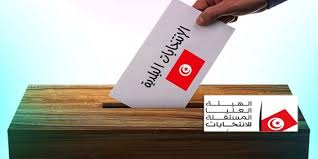
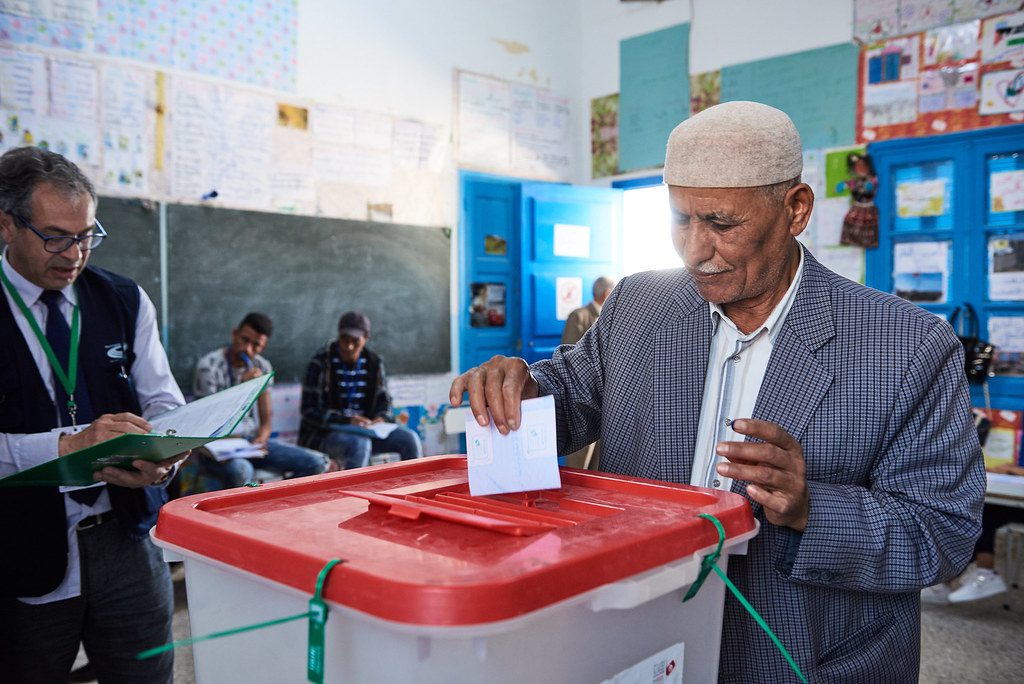
video a bout democracy in Tunisia: Tunisia is an example of Arab democracy
The country has been experiencing a political transition since Zine El Abidine Ben Ali was overthrown in 2011, giving way to Ennahda, the country’s Islamist movement that won the parliamentary elections. Due to the deal between Ennahda and two other parties, the presidency of Tunisian Parliament was given to Ennahda’s ally Moncef Marzouki, who secured the power in December 2011. Now Tunisia’s moderate Islamists, who won the election immediately after the 2011 revolution, remain the second largest party in the parliament but are not expected to be part of the coalition.
Tunisia became an example of democracy and stability for the entire region. Beji Caid Essebsi has defined the Dignity Revolution “a success that could not have been achieved without the contribution of successive governments since the Revolution, without the Tunisian administration, free press, civil society, national organisations and without those who chose to do something to serve Tunisia in difficult conditions for the sake of the national flag”. The Revolution has not stopped, it is in the text of the Constitution and in Tunisian institutions and development programmes. It is an unique example of free elections, free press and vibrant civil society, so that the country has been selected by “The Economist” as country of the year. 2015 will be a year of transition and challenges that will be faced by the government that will be created by the Prime Minister designate, Habib Essid. Restore security, establish political stability and foster economic growth reducing unemployment and ameliorating living standards in the interior regions are three objective strongly interconnected. What measures the institutions will adopt for solving the economic underperformance will have repercussions on addressing social divisions and the hoplessness that led many young Tunisians to depose Zine El Abidine Ben Ali in 2011
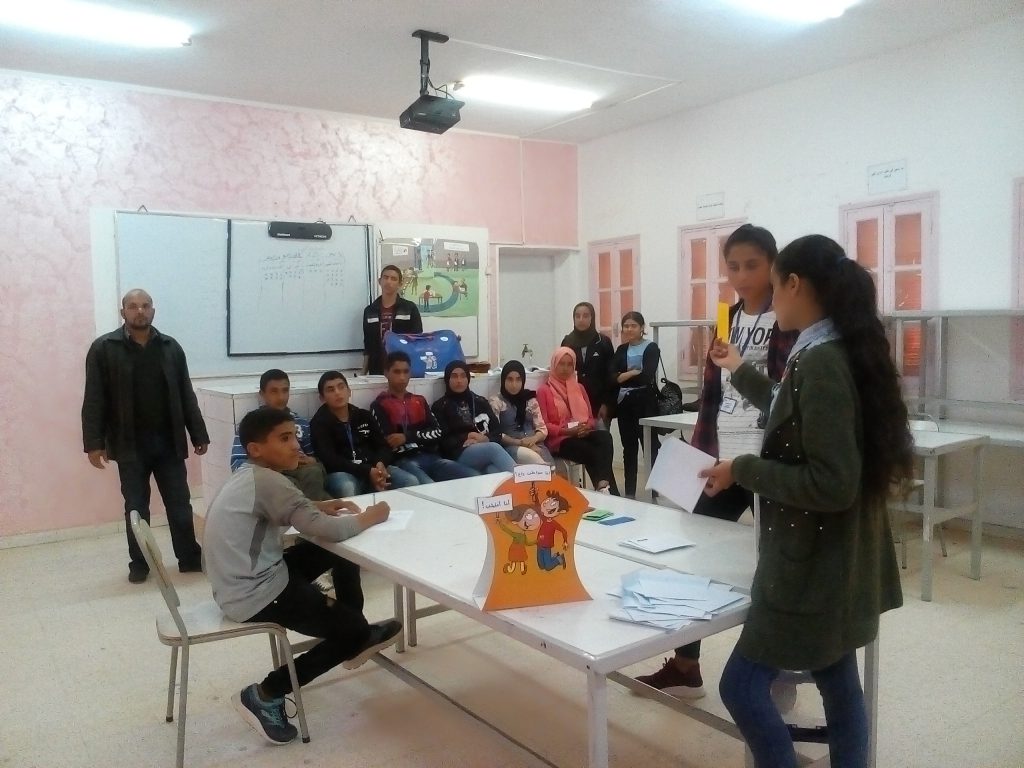
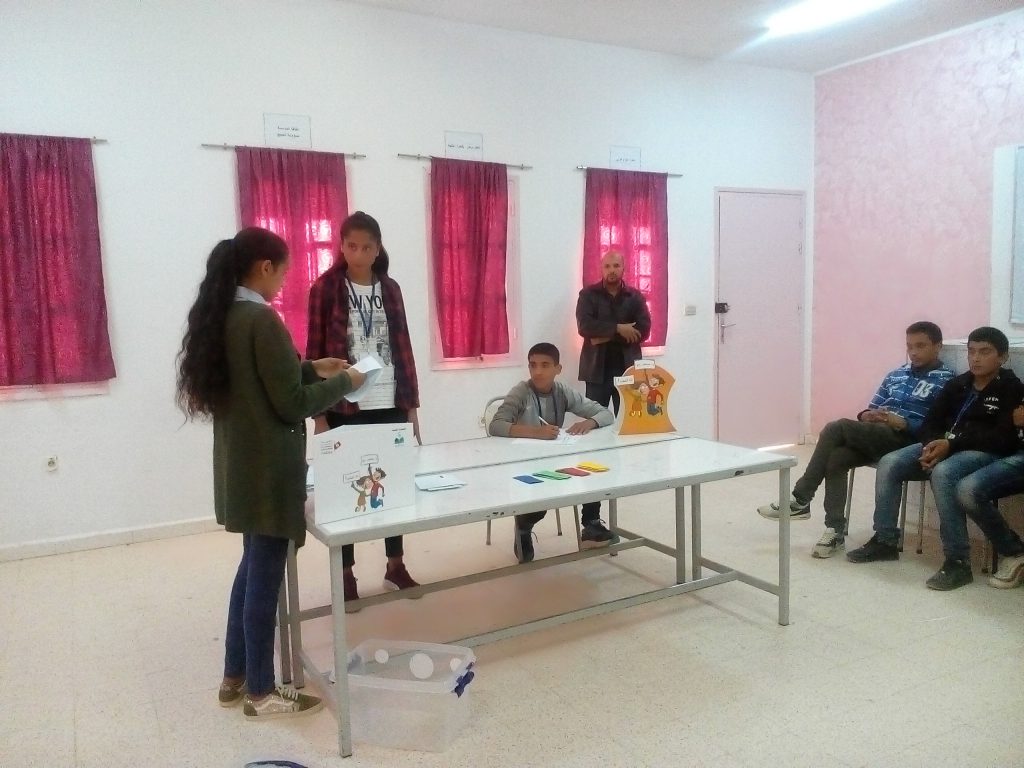
democratic classroom
Creating a democratic classroom environment means involving students, on a regular basis and in developmentally appropriate ways, in shared decision making that increases their responsibility for helping to make the classroom a good place to be and learn
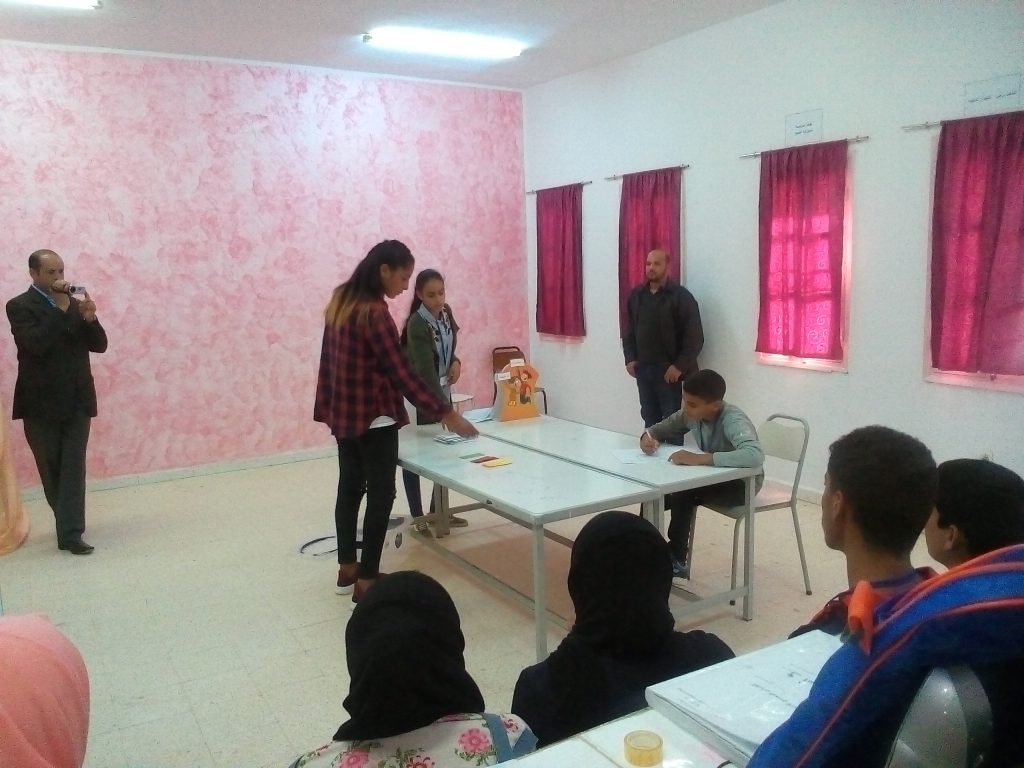
What role does the education system play in a democratic country?
While general education and civic education contribute to preparing citizens, more is needed. Citizens must develop democratic abilities and skills, moral values that reflect democratic ideals and principles, motivation to get involved and act, and knowledge of democracy, its principles and practices.
Why is democratic education important?
As a result of democratic education, it is aimed that individuals internalize democratic values. … The most important places where democracy can be learned are schools. Even though democracy is a learnable way of life, it is a system of values that are difficult to get only by education.
12 WAYS TO CREATE A DEMOCRATIC CLASSROOM
Have students come up with their own list of agreements for the classroom
Have a daily or weekly evaluation of your class.
Ask students how they best like to learn.
Ask them what makes them feel close to each other and comfortable in the classroom.
Be transparent
Have them teach your lesson plan
Have each student perform a different role in the classroom
Give them options for projects
Develop a relationship with each student
Move the desks into a circle
Make sure your content is culturally competent
Always provide different methods of learning/teaching
Published: Jul 14, 2019
Latest Revision: Jul 14, 2019
Ourboox Unique Identifier: OB-664588
Copyright © 2019

