






Climate changes
by Riccardo Perna
Copyright © 2020
Climate changes

Copyright © 2020
What are climate change?
Thediscovery of the phenomenon of global warming dates back to the late
nineteenth century when Svante Arrhenius, a Swedish chemist and physicist
who received the Nobel Prize for Chemistry in 1903, first illustrated the
heory that carbon dioxide would have a impact on the climate, ie causing
climate change.
From that moment on, the awareness that humanity has an influence on the
climate and causes anthropogenic effects (climate change) has grown
considerably. In the first half of the twentieth century, many scientists
believed, perhaps they hoped, that the oceans would succeed in keeping the
level of CO2 in the atmosphere constant, absorbing most of the anthropogenic
emissions.

2
What are the risks involved?
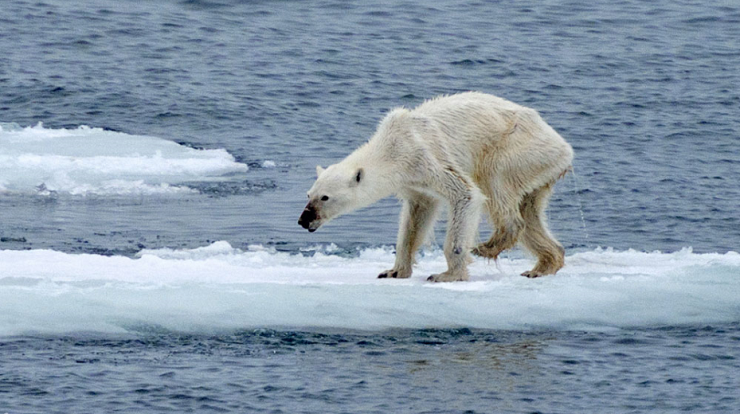
The most evident consequences are the melting of the ice, of the cryosphere, that is, of that part of the earth’s surface covered by solid state water such as polar ice caps, glaciers on the mountains and permafrost is perennially frozen). According to some forecasts, the ice of the Article could be subject to a complete melting in the hottest periods of the year (already in summer) already towards the end of the century. The crisis obviously plays a fundamental role in the global climate system and a variation in its extent can lead to changes in the system itself. Fragile ecosystems such as those of seas, mountains and swamps will risk being definitively compromised.
A reduction in the Antarctic ice sheet and that of Greenland almost certainly has a rise in sea levels between 1993 and 2003 of 3.1 mm per year according to the IPCC. It is expected that by 2100 the rise will be between 15 and 95 centimeters.
Desertification (and with it the heat waves) is expanding towards those regions that currently enjoy a temperate climate such as, for example, the areas north and south of the Sahara desert, as an area of the Mediterranean Sea (including Italy) causing serious damage to agriculture. Crops will decline and the number of people at risk of malnutrition will increase. In particular, the yields of corn and wheat fields potentially drop by as much as 50 percent over the next 35 years due to global warming. A risk to be avoided and prevented especially now that people who suffer from fame in the world are slightly decreasing. The 2015 State of Food Insecurity in the World report produced by the International Fund for Agricultural Development (IFAD) and the World Food Program (WFP) calculated that there are almost 795 million inhabitants who still do not eat enough today. It was a billion in the two-year period 1990-1992. desertification, climate change Desertification is expanding towards those regions which currently enjoy a temperate climate such as, for example, the areas north and south of the Sahara desert causing serious damage to agriculture © Elizabeth Lies Phenomena such as El Niño – or a variation of the southern oscillation that indicates the verification every nine years and that causes serious changes in the climate such as hurricanes, storms, floods in Central America but also periods of severe drought often associated with devastating fires in the area of the Western Pacific – will increase in quantity and intensity, causing victims and substantial costs for damages. All this will also lead to the spread of diseases, such as malaria, in areas where previously they were unknown.
3
Published: Mar 7, 2020
Latest Revision: Mar 7, 2020
Ourboox Unique Identifier: OB-744151
Copyright © 2020

 Skip to content